Egg
Laid in moist soil; hatch within several days
Adult females lay eggs in soil where earthworms are abundant. The female does not need to enter a home to reproduce, only the adult phase uses the home, and only in fall and winter.
Local pest control help is one call away.
 Pest Control Services Nationwide Pest Control Services Nationwide
 Cluster flies are 8 to 10 millimeters long, slightly larger than a house fly, with a dark gray body and pale yellow or golden hairs on the thorax. Those golden hairs give the thorax a patchy, striped look that is the easiest way to tell them apart from a regular house fly. The abdomen shows a black-and-silver checkerboard pattern, and the flight is slow and sluggish. From late September through November, they pile up on south and west facing walls and push into the home to spend the winter inside.
If you are finding dozens of slow-moving dark gray flies on a sunny exterior wall in October, or sluggish flies showing up on indoor windows on warm winter days, you are most likely looking at cluster flies. This guide covers how to confirm the ID, why they treat your home as a winter shelter, and what a pre-fall pro treatment actually does.
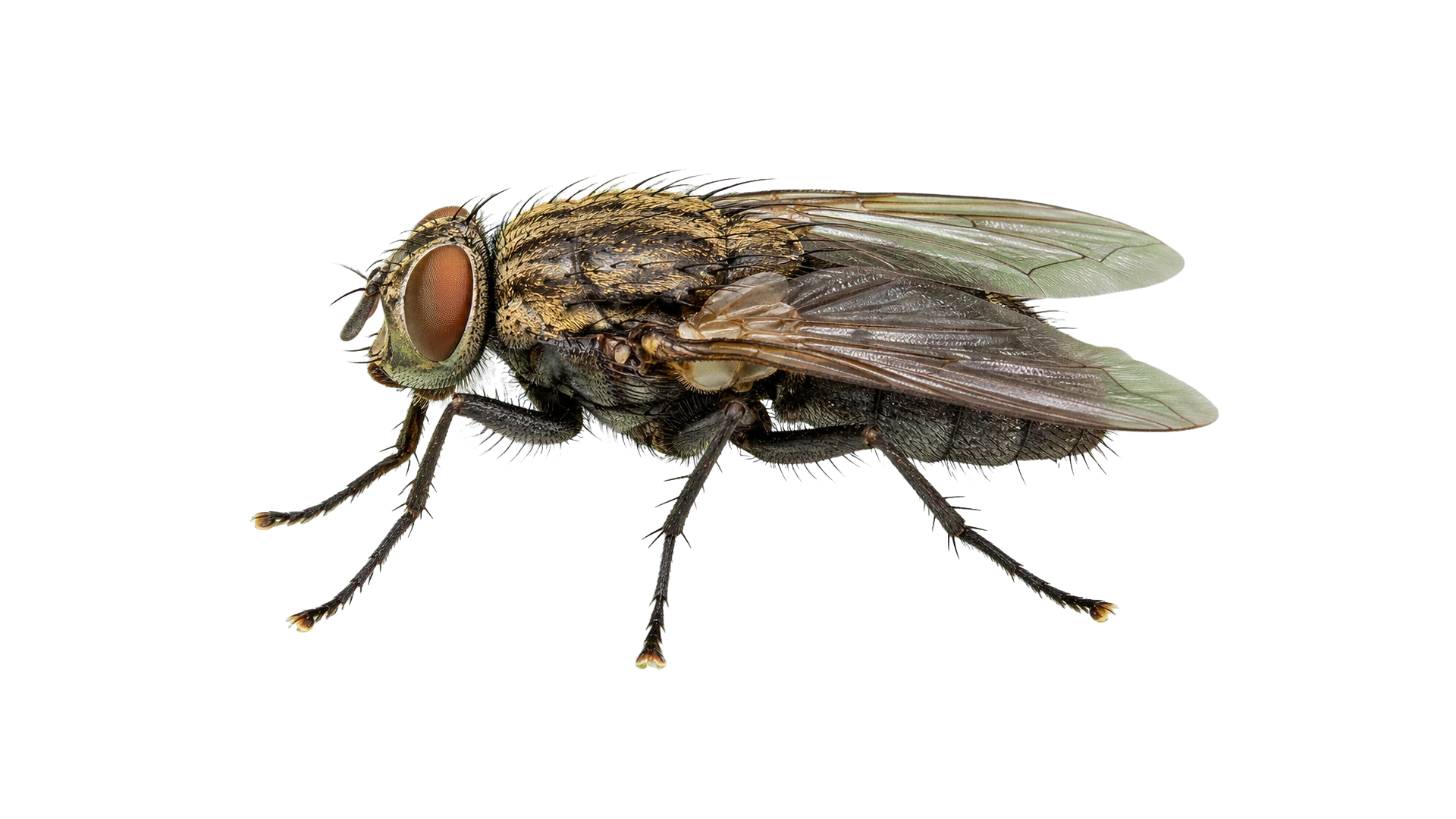
ID Card: Cluster Fly
Related Species
Call to get matched with a local pest control pro.
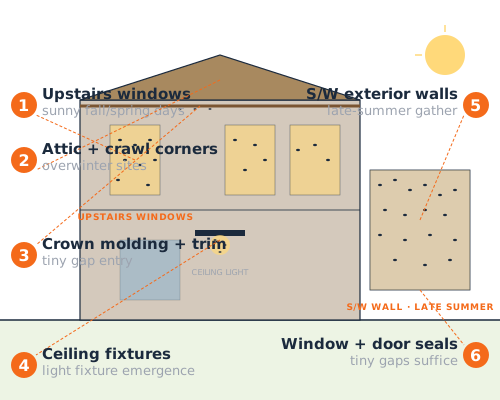
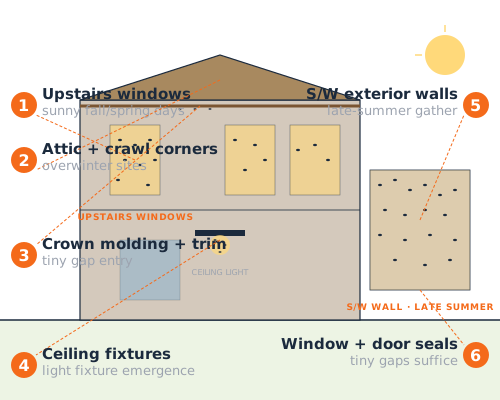
Cluster flies pick predictable spots when they look for a place to overwinter. Walk these zones from late September through November with a flashlight, and again on the first warm day of winter when sluggish flies start showing up indoors:
If cluster flies appear inside the home in winter or spring, the structure was used as an overwintering site the previous fall. Worse, cluster flies leave scent marks that pull more flies to the same site the next year, so an untreated home will see the problem return and often grow each fall. The right window for treatment is before the next fall entry, not after the flies are already in the wall.
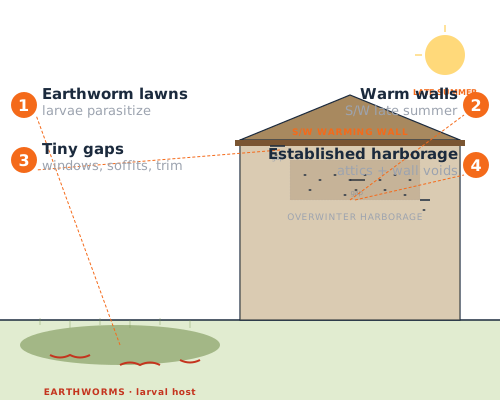
Cluster flies do not pick homes because of garbage, food, or sanitation. They pick homes because they need a warm, dry place to spend the winter, and your sun-warmed wall happens to be the closest one to a lawn full of earthworms. Their larvae actually live inside earthworms in the soil, so mature lawns with healthy worm populations are the heart of every cluster fly hot zone.
What pulls cluster flies to your home:
Cluster fly pressure on your home is mostly a story about the surrounding lawn ecology, not anything you did wrong inside the house. Rural-to-suburban properties with mature lawns and south or west wall exposure see the heaviest invasions. Once your home has been used as an overwintering site, the scent marks make it easier for the next year's flies to find the same wall, which is why an untreated cluster fly problem often gets bigger year over year.
Find your scenario below. Cluster fly severity tracks how many flies have already entered or are about to enter for overwintering.
| What You're Seeing | Severity | If Untreated | Next Step |
|---|---|---|---|
| A few cluster flies on a sun-facing exterior wall in early fall | Early | Numbers grow daily through October and many will push inside to overwinter unless entry points are sealed. | Confirm the ID, then schedule a pre-fall pro treatment for the perimeter and seal visible entry gaps before late October. |
| Dozens of flies on the exterior wall plus a handful already indoors | Moderate | Entry is already underway and a wall-void population will be set up for the winter within days. | Call a professional this week. Exterior residual on the sun-facing walls plus entry-point sealing while flies are still outside the structure. |
| Hundreds to thousands of flies aggregating with indoor swarms causing family discomfort | High | A large overwintering population is forming. Indoor emergences will continue every warm day through spring. | Same-week professional service. Vacuum removal indoors, exterior residual treatment, and a sealing plan to cut next year's pressure. |
| Heavy winter indoor emergence year after year on warm days | Urgent | Scent marks from prior years are pulling new flies to the same walls. The problem grows each fall without intervention. | Call today and request a multi-year prevention program with pre-fall exterior treatment and a full entry-point inventory. |
Cluster fly severity reflects how many flies are about to overwinter, not how messy your home is. If you are between two rows, treat the higher one as your situation.
Cluster flies have an unusual lifecycle compared to other household flies. The larvae are parasites of earthworms in the soil, and the adults use homes as winter shelter rather than breeding sites. The cycle below is exactly why pre-fall exterior treatment matters and indoor sprays in winter do not.
Laid in moist soil; hatch within several days
Adult females lay eggs in soil where earthworms are abundant. The female does not need to enter a home to reproduce, only the adult phase uses the home, and only in fall and winter.
About 4 to 5 weeks parasitizing earthworms
Larvae burrow into earthworms in the soil and feed on the worm from the inside. This is the part of the lifecycle that ties cluster fly pressure to lawn ecology rather than to anything inside the home.
About 7 to 14 days
After leaving the earthworm host, the larva pupates in the soil and develops into the adult fly. Pupation is what completes the lawn-side phase of the lifecycle.
Adults overwinter inside structures for months
One to two generations occur each year. The late-summer and early-fall generation is the one that searches for an overwintering site, this is the home invasion period from late September through November. Adults in spring leave the structure and start the next outdoor cycle.
The fall overwintering generation is the only one that becomes a household problem. Treatment that lands on the exterior wall before that generation pushes inside interrupts the cycle. Treatment that lands on sluggish indoor flies in January does almost nothing, the population is already in the wall and will exit on its own over the spring.
Cluster flies follow a sharp seasonal calendar. Knowing what the flies are doing each quarter tells you what to look for and exactly when treatment lands with the most impact.
Overwintered adults exit the structure on warm days and head outdoors to start the lawn-side lifecycle. Females lay eggs in soil where earthworms are common, and the larvae begin parasitizing the worms. Indoor activity tapers off as the flies leave the wall voids.
Adults are outdoors feeding on nectar and sap while a new generation develops inside earthworms in the lawn. Indoor activity is essentially zero, this is the quiet window.
The critical entry period. From late September through November, adults gather on south and west facing walls in the late afternoon sun and push inside through cracks, vents, and siding gaps for overwintering. Pre-fall exterior treatment must land in this window.
Adults overwinter in attics, wall voids, and behind insulation. On warm winter days, sluggish flies emerge into living spaces and pile up on indoor window sills and around ceiling fixtures, even though there are no flies outdoors. This is the classic late-discovery sign of an established overwintering population.
Cluster flies are one of the few household pests where the calendar matters more than the effort. The only intervention that meaningfully reduces overwintering is exterior residual treatment on south and west facing walls in September and October, before the flies push inside. Once the adults are in the wall void, indoor sprays and indoor traps do almost nothing, the flies will exit on their own over the spring regardless of what you do indoors.
Most homeowners notice cluster flies in late winter when sluggish flies pile up on a sunny window inside the house. By then, the population is already set for the season. The right move is not to spray indoors in February. The right move is to schedule pre-fall exterior treatment for the following September. This is one of the few pest problems where waiting for the correct season produces dramatically better results than reacting in the moment.
Cluster flies are not a health threat. They do not bite, they do not contaminate food the way house flies and blow flies do, and they are not a meaningful disease vector. The problem is the visual nuisance of hundreds of flies on a wall, sluggish flies inside a quiet room, and the smell from large dead clusters in attic spaces. The good news is that an honest pre-fall program of $200 to $500 in the first year usually cuts the indoor population dramatically.
A pro applies exterior residual on the sun-facing walls in early fall, maps and seals every entry gap around windows and attic vents, and vacuums the indoor cluster spots that have already collected flies. For chronic year-over-year sites, the same work is repeated for two or three seasons until scent marks fade and the population on the property is much lower.
Cluster fly work is about timing and exterior treatment, not chasing flies indoors. A specialist who handles overwintering invaders works on the calendar the flies follow. Here is what changes:

 Pre-Fall Exterior Residual Treatment
 Treatment timed for September and October applies a residual product on the south and west facing walls before the flies push inside. This is the highest-leverage step in the entire job.
Entry-Point Inventory and Sealing A pro walks the structure to map every small gap around windows, soffits, siding seams, and attic vents. Sealing these before late October stops the next wave of fall entry.
Indoor Vacuum Service When clusters are already inside, vacuum removal is the right tool, not sprays. A pro service vacuums active clusters from attics, light fixtures, and window sills without scattering them through the walls.
Multi-Year Prevention for Chronic Sites Homes with scent-marked overwintering history need annual fall treatment to break the year-over-year buildup. A real program plans for the second and third fall, not just this one.

Cluster fly work depends on timing and exterior reach more than indoor effort. DIY can handle the easy edges, a pro handles the part that actually moves the population.
DIY for cluster flies is exclusion plus indoor cleanup. Useful steps with honest limits:
Professional cluster fly work is timing-driven and exterior-focused. Here is what changes when you call:
Cluster flies overwinter in walls and attics and return to the same homes year after year. Connect with a local specialist for pre-fall exterior treatment and entry-point sealing.
Real results from people who had the same problem and solved it.

"Finally got the fall cluster fly problem under control."
Every autumn, cluster flies would swarm into our upstairs rooms. The provider explained their life cycle and treated the exterior before they could enter. The following fall was dramatically better.
"Finally got the fall cluster fly problem under control."
Every autumn, cluster flies would swarm into our upstairs rooms. The provider explained their life cycle and treated the exterior before they could enter. The following fall was dramatically better.

"Upstairs cluster fly migration stopped."
We had hundreds of cluster flies appearing in our upstairs rooms every fall. The provider treated the exterior before the migration season and sealed gaps around the windows. The improvement was dramatic.

"Autumn cluster fly swarms knocked back."
Cluster flies would swarm our upstairs windows each fall. The pro treated the exterior before migration season and sealed the gaps they were using to enter. The following fall was dramatically better.

"Summer fly breeding sites treated."
Summer brought massive fly problems around the house. The tech identified breeding areas near standing water and treated the perimeter. They also suggested screen repairs that made a significant difference in keeping flies out of the kitchen.

"Cluster fly numbers down dramatically."
Each fall, cluster flies would gather on the sunny side of the house and find their way indoors. The inspector treated the exterior walls and sealed cracks around window frames. The numbers dropped dramatically the following season.

"Attic soffits sealed against cluster flies."
Thousands of cluster flies appeared in the attic each autumn. The provider treated the attic and sealed soffit vents with fine mesh. They explained the overwintering behavior and recommended late-summer treatment for best results.

"Cluster fly attic invasion knocked back."
Cluster flies would invade the attic every autumn and emerge on warm winter days. The provider treated the exterior in late summer and sealed soffit gaps. The preventive timing made a dramatic difference in the number getting inside.

"Cabin attic sealed against cluster flies."
Our lake cabin attic filled with cluster flies every fall. The provider treated the exterior in late August and sealed soffit vents. The preventive timing was key to reducing the fly population dramatically.

"Attic cluster fly numbers dramatically reduced."
Thousands of cluster flies appeared in the attic each autumn. The provider treated the exterior in late summer and sealed the soffit vents. Early timing dramatically reduced the invasion.

"Cabin cluster fly cycle finally broken."
Cluster flies filled the cabin every autumn and emerged on warm winter days. The provider treated the exterior in late summer and sealed soffit openings. The timing was critical for prevention.

"Attic cluster fly entries closed off."
Cluster flies appeared in the attic every autumn. The provider treated the exterior in late summer and sealed soffit gaps. Timing the treatment before flies seek shelter was critical.

"Attic soffits sealed against cluster flies."
First warm day in February the attic ceiling would have dozens of flies waking up and crawling toward the window. Disgusting honestly. The tech explained you have to treat in late August before they move in for the winter, so we timed it that way. Sealed the soffit gaps too. This past winter the count was way down. Timing the treatment was the key piece I had been missing.

"Attic soffits sealed against cluster flies."
Every February when the sun hit the south side of the roof, the bedrooms would fill with sluggish flies. Vacuumed up a small graveyard worth one weekend. The tech treated the exterior in the last week of August, which is when they look for shelter, and sealed the soffit gaps. The next winter was probably ninety percent better. The timing made all the difference.

"Attic soffits sealed against cluster flies."
First warm day of February, sluggish flies would crawl across the upstairs ceiling and end up on the bathroom counter. Vacuumed up dozens every winter. The tech explained the cluster flies look for shelter in late August, so that is when we need to treat. Sealed the soffit gaps too. This past winter the count was way down. Catching them before they move in was the key.
Direct answers to what homeowners ask most about identification, fall overwintering, and pre-fall treatment.
Cluster flies are slightly larger than house flies, move more sluggishly, and have a distinctive feature: short golden hairs on the thorax (the segment behind the head) that give them a slightly fuzzy or matte appearance, unlike the smooth, shiny thorax of house flies. When at rest, cluster flies overlap their wings flat over their back, while house flies hold their wings slightly spread. The most telling behavioral clue is their habit of congregating in large numbers on sunny interior walls and windows during fall and winter, house flies do not form these characteristic indoor clusters. Cluster flies are also less attracted to food and garbage than house flies.
Cluster flies enter wall voids and attic spaces in fall to overwinter, similar to boxelder bugs and Asian lady beetles. On warm, sunny winter days, heat from sun-warmed walls or rising attic temperatures activates them, and they migrate toward light, emerging through gaps around windows, light fixtures, and electrical outlets into living spaces. They are not breeding indoors, and theyare simply overwintering adults that became active. The parent-generation larvae are parasites of earthworms in lawns, so there is no indoor breeding source to eliminate. Prevention requires sealing exterior entry points before mid-September, before the fall migration begins.
Flies reproduce incredibly fast, asingle house fly can lay 500 eggs in her lifetime, and the cycle from egg to adult takes as little as 7 days. They're drawn to decaying organic matter, garbage, pet waste, and moist drains. If flies are persistent indoors, there's almost always a breeding source nearby: an overlooked trash bag, a dirty garbage disposal, a floor drain with organic buildup, or a dead animal in a wall void.
House flies are significant disease vectors. They land on garbage, animal waste, and decaying matter, then transfer pathogens to your food and surfaces. They carry E. Coli, salmonella, cholera, and over 100 other pathogens. Fruit flies and drain flies are less of a direct health risk but indicate sanitation issues that should be addressed. Any persistent fly presence warrants finding and eliminating the breeding source.
Most providers in our network can schedule an inspection within 24-48 hours. For urgent situations, likeactive structural damage or large colonies, same-week emergency service is often available. Response times depend on your location and the provider's current schedule.
Your provider inspects the property to identify the pest, locate nesting or entry points, and assess the scope of the problem. You get a clear explanation of what they found, what they recommend, and a written scope before any work begins.
Modern pest control products are designed to break down quickly after application and pose minimal risk to people and pets when applied correctly. Most providers ask you to keep kids and pets out of treated areas for 1 to 2 hours while the product dries, after which the area is generally safe again. Always confirm specific re-entry times with your provider, and let them know about pet birds, fish, or reptiles, since some treatments require extra precautions for those species.
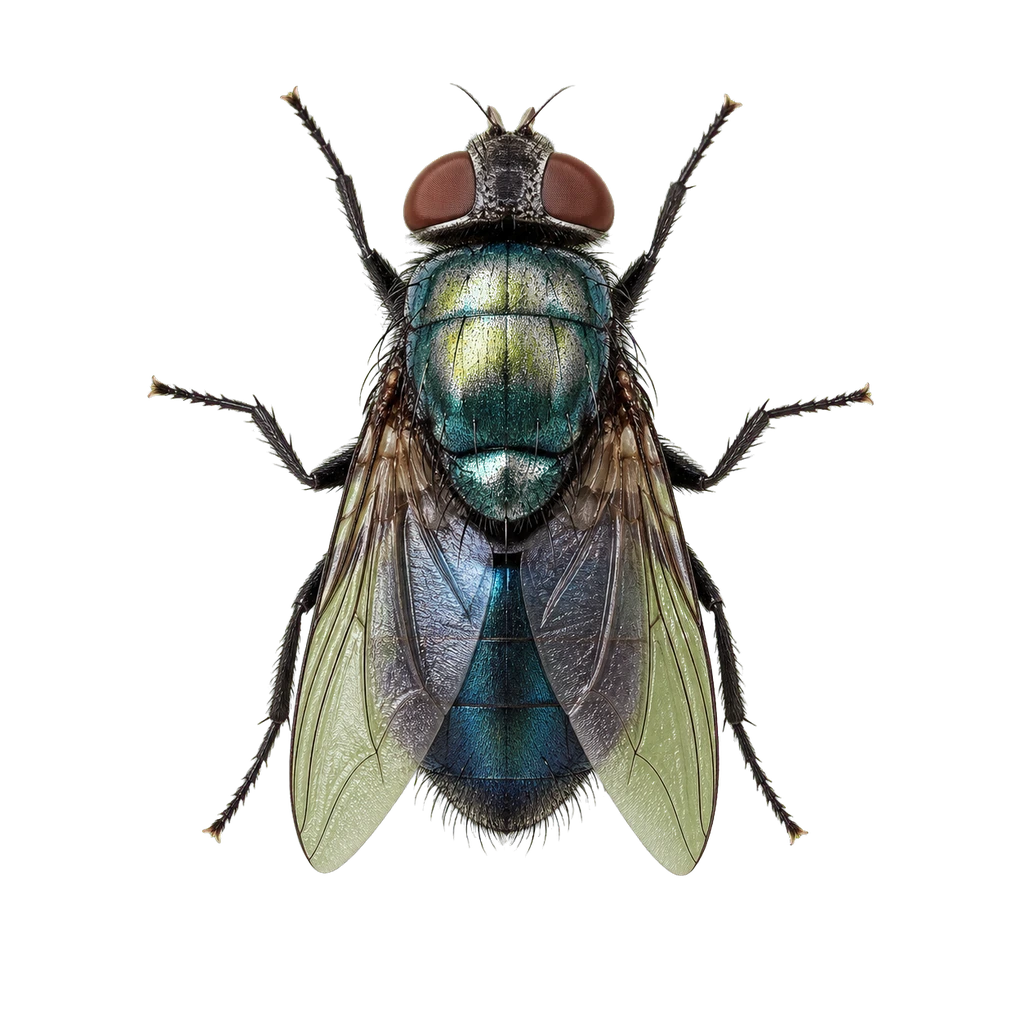
Blow flies are metallic blue or green flies that breed in dead animals, garbage, and decaying meat. Their sudden indoor appearance often signals a dead animal in a wall void, attic, or crawl space that needs to be located and removed.
Learn More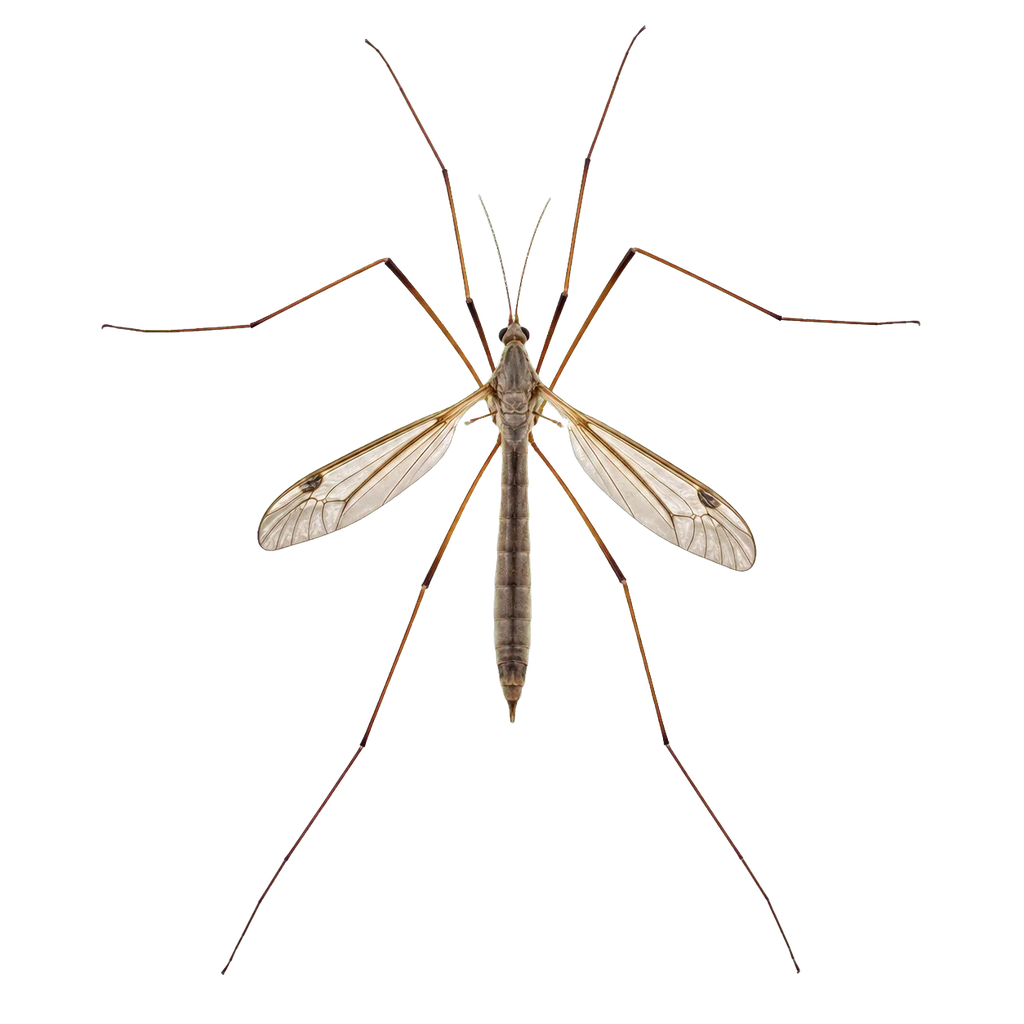
Crane flies look like giant mosquitoes but are completely harmless and cannot bite. Their larvae (leatherjackets) can damage lawns by feeding on grass roots, and adults are commonly found bumbling around porch lights.
Learn More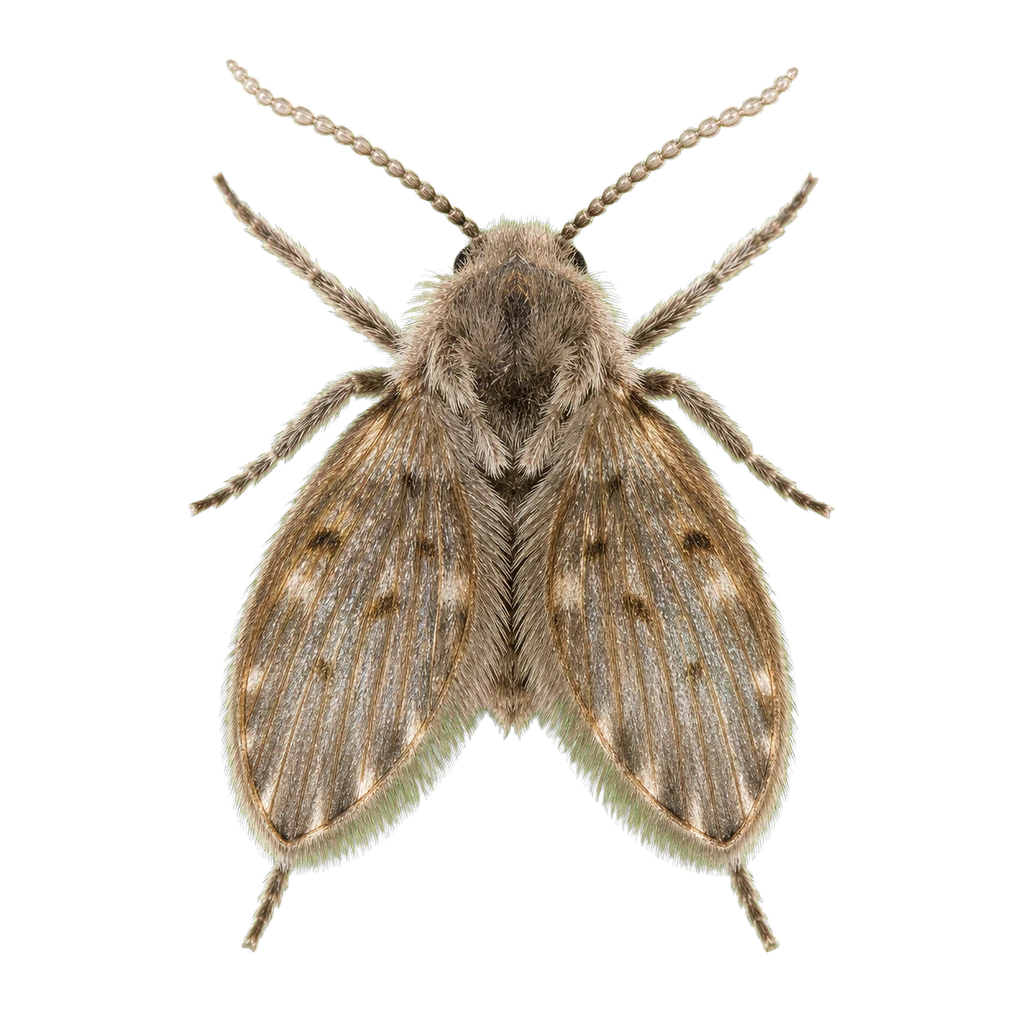
Drain flies breed in the organic film that builds up inside shower drains, sink pipes, and sewer lines. These fuzzy, moth-like flies appear near drains in bathrooms and kitchens, and eliminating them requires cleaning the breeding material from pipes.
Learn More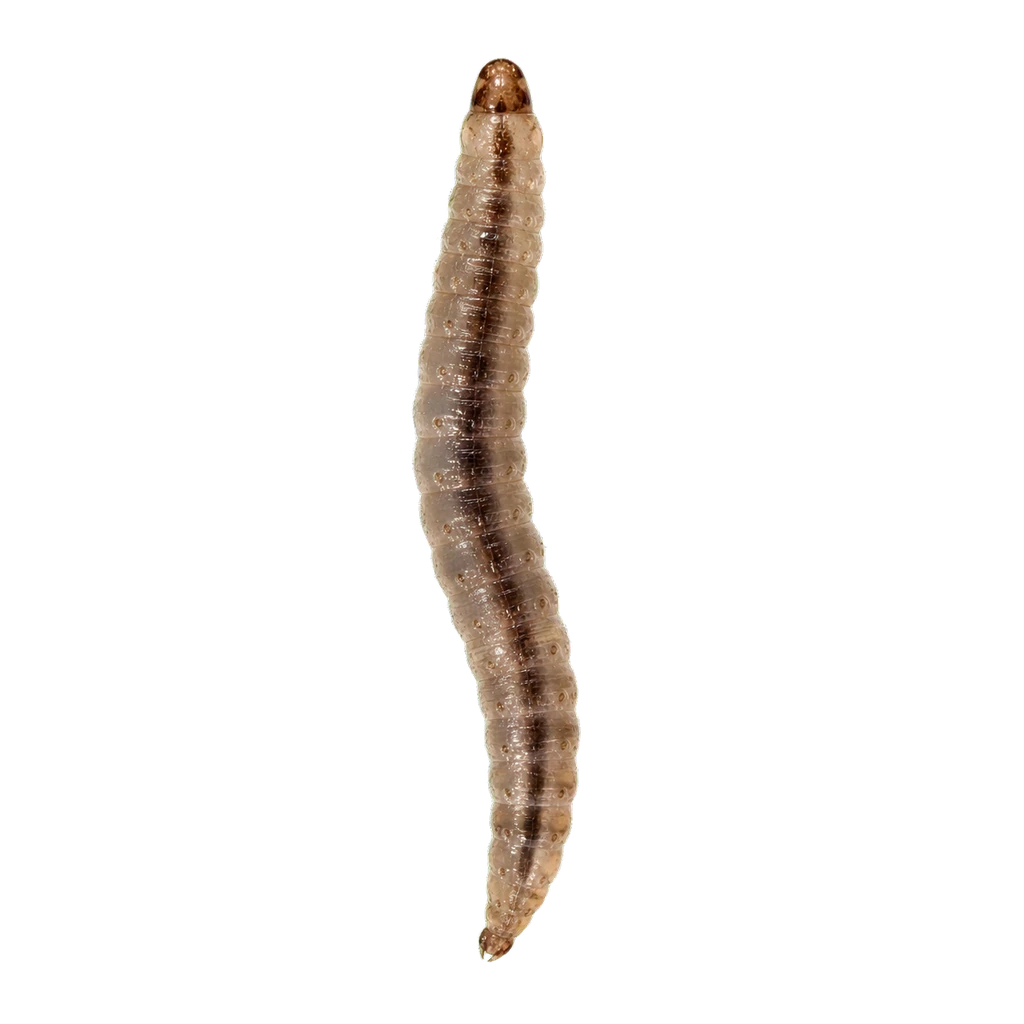
Drain worms are the larval stage of drain flies (moth flies) that breed in the organic slime lining bathroom and kitchen drains. Cleaning the drain buildup is the most effective way to eliminate them.
Learn More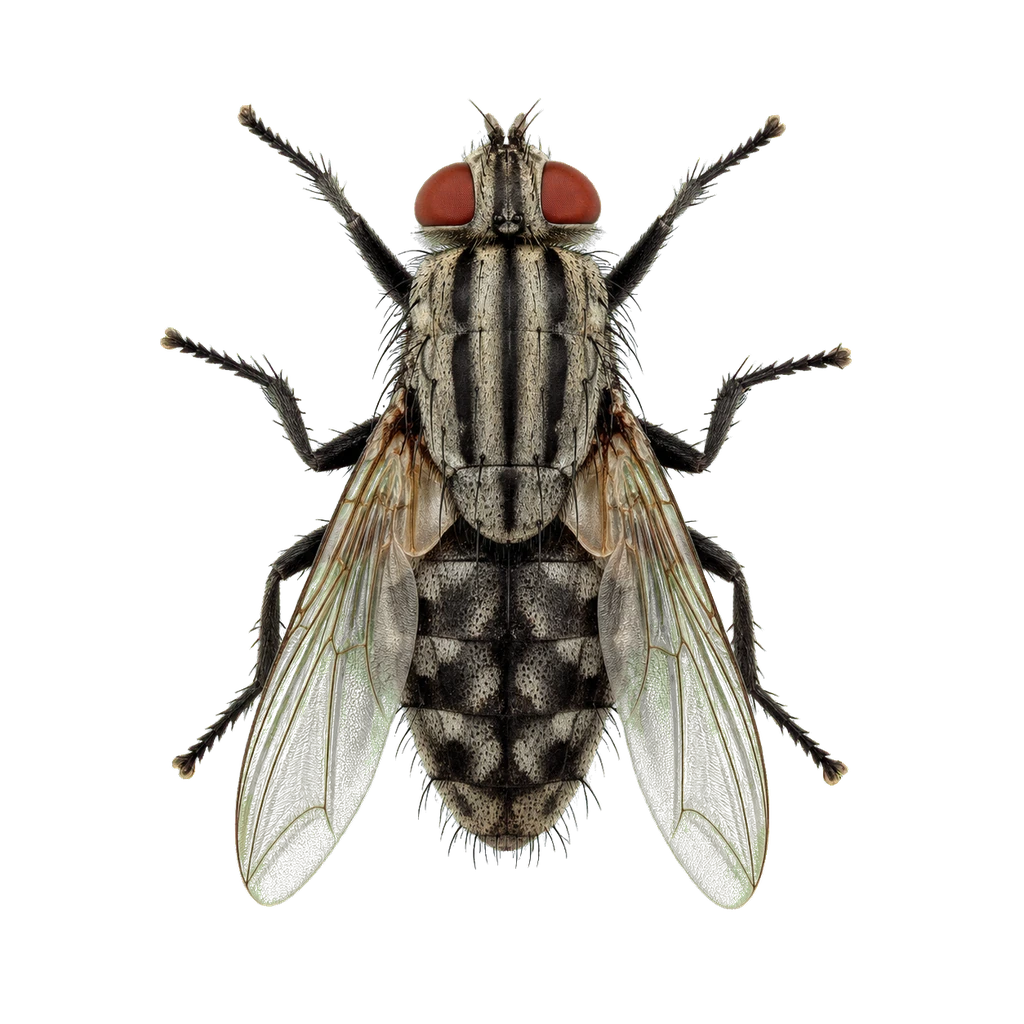
Flesh flies are gray-striped flies that deposit live larvae on decaying meat, garbage, and animal carcasses. They typically enter homes through open doors and windows, and their presence often indicates a sanitation issue or dead animal nearby.
Learn More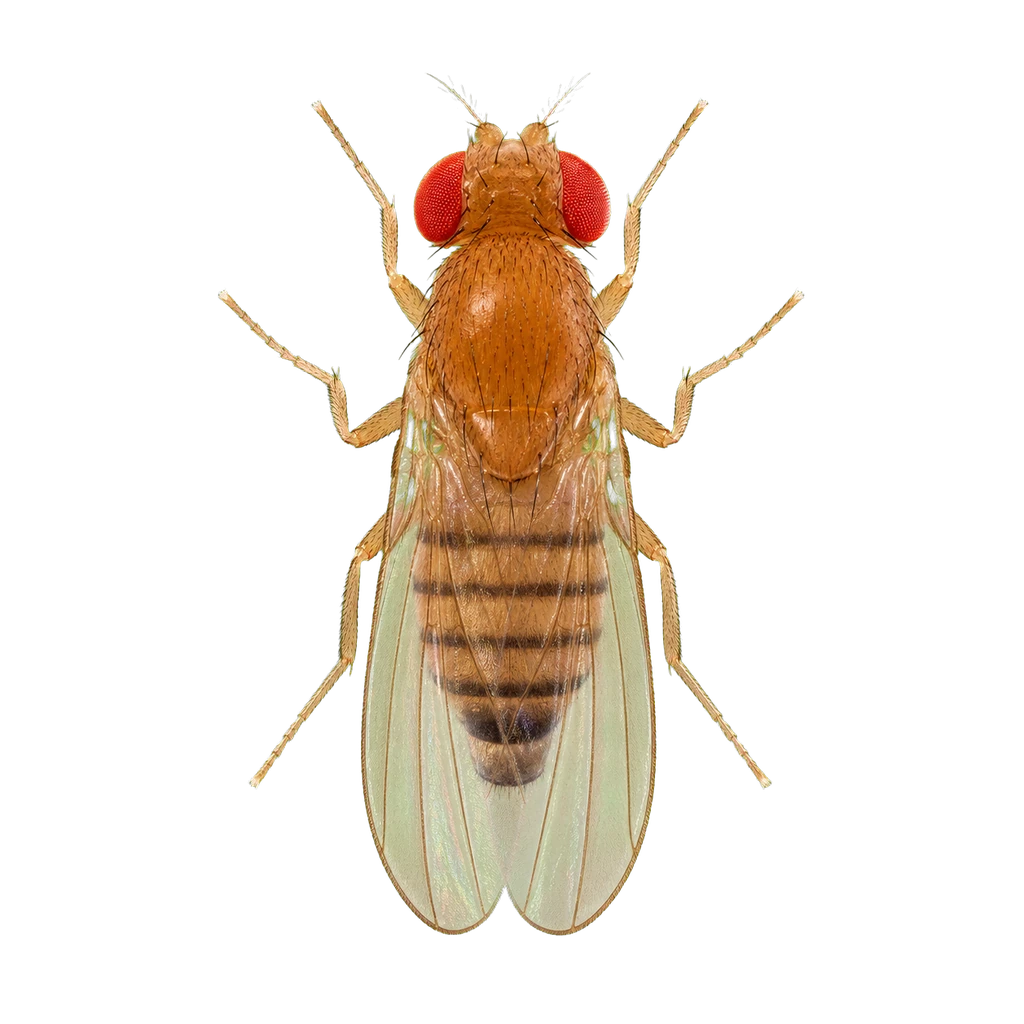
Fruit flies swarm around overripe produce, fermenting liquids, and wet mops, breeding so quickly that a few flies can become hundreds within a week. They contaminate food with bacteria picked up from decaying organic matter.
Learn More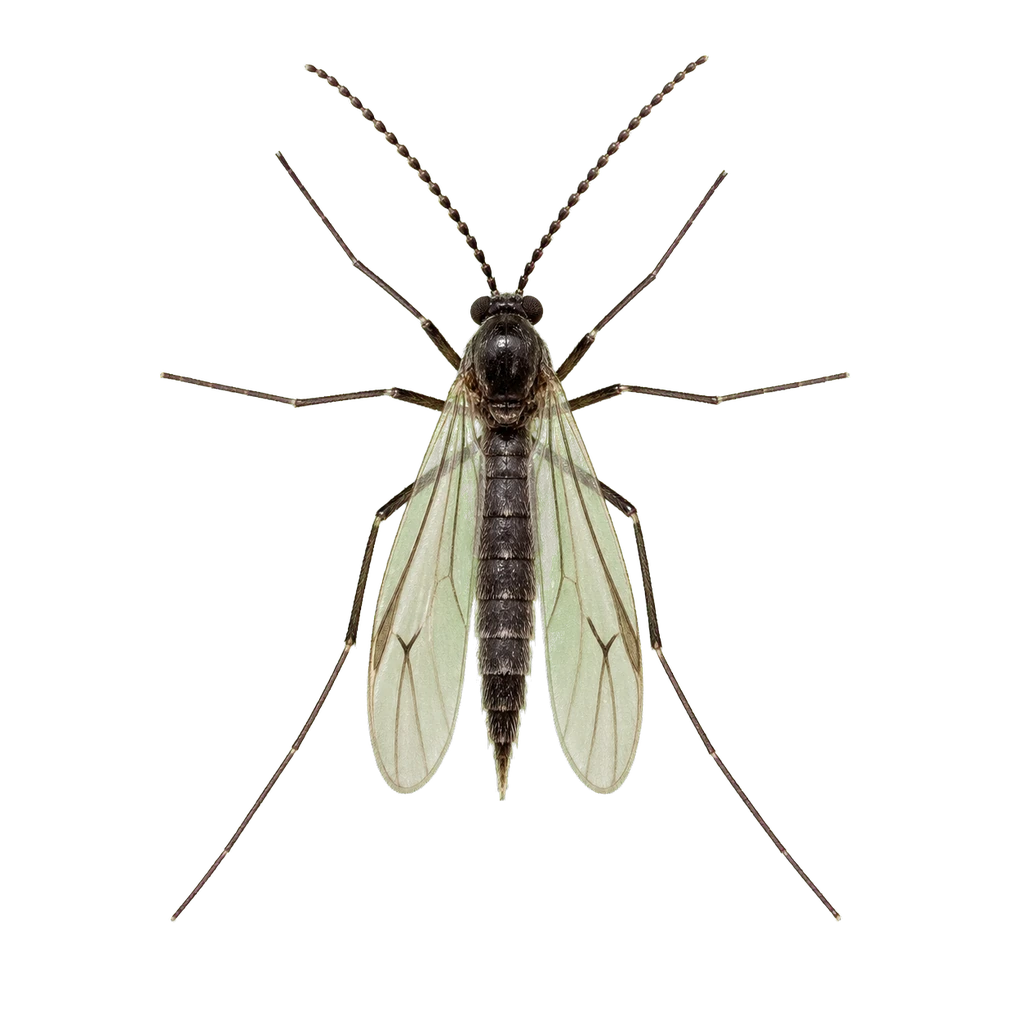
Fungus gnats are tiny dark flies that breed in the moist soil of overwatered houseplants. Their larvae feed on root hairs and organic matter in potting mix, and large populations can weaken or kill young plants.
Learn More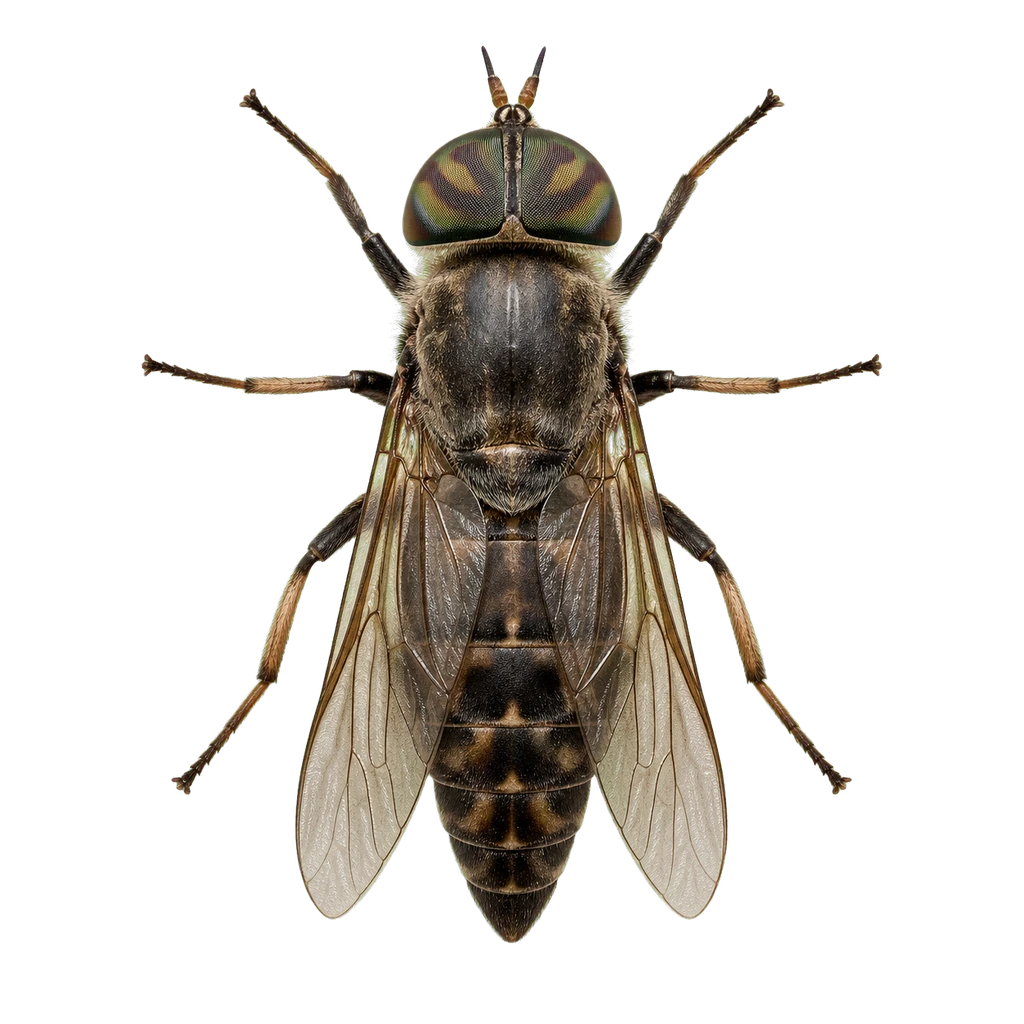
Horse flies are large, aggressive biting flies that slash skin to feed on blood, leaving painful welts that can become infected. They are most active near water and livestock areas during hot summer months.
Learn More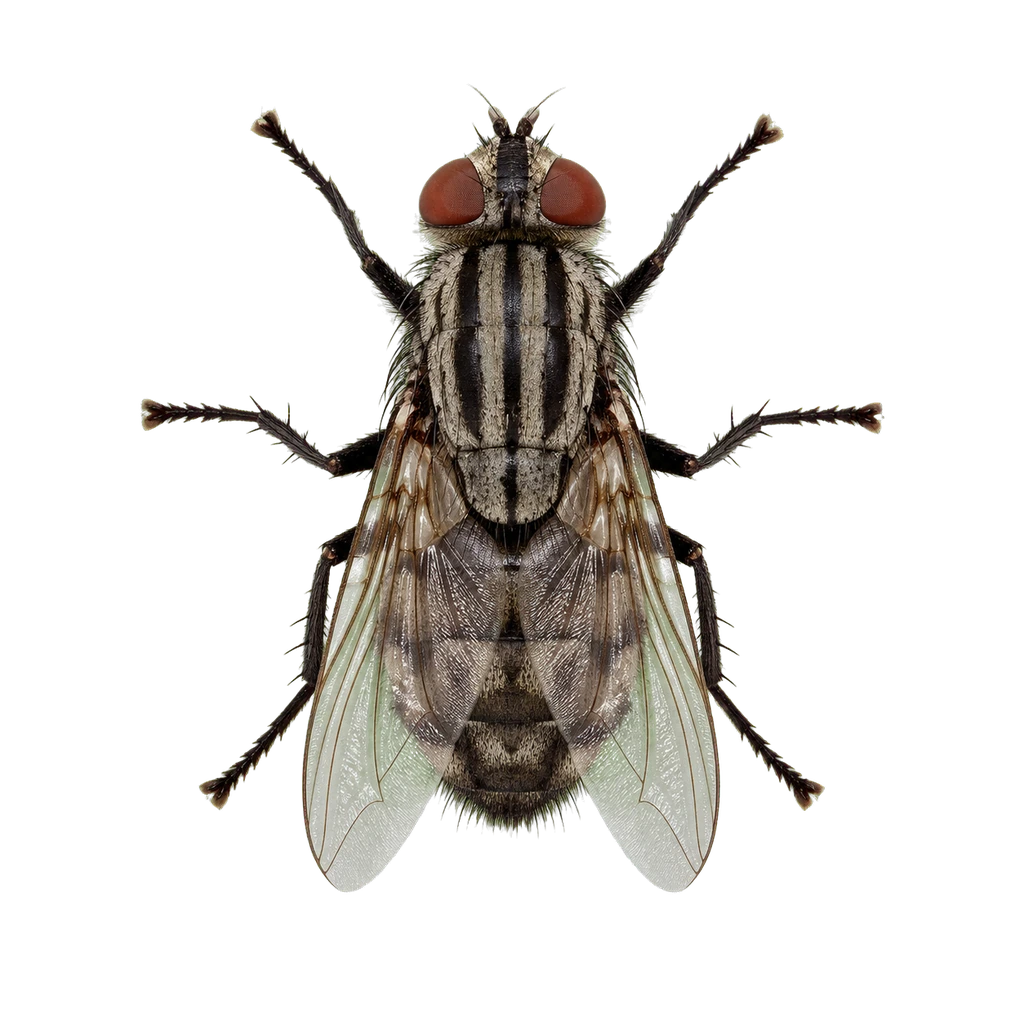
House flies are the most common indoor fly species and major disease carriers, spreading over 100 pathogens by landing on food after visiting garbage, manure, and decaying matter. They breed quickly in warm conditions and are attracted to any exposed food.
Learn More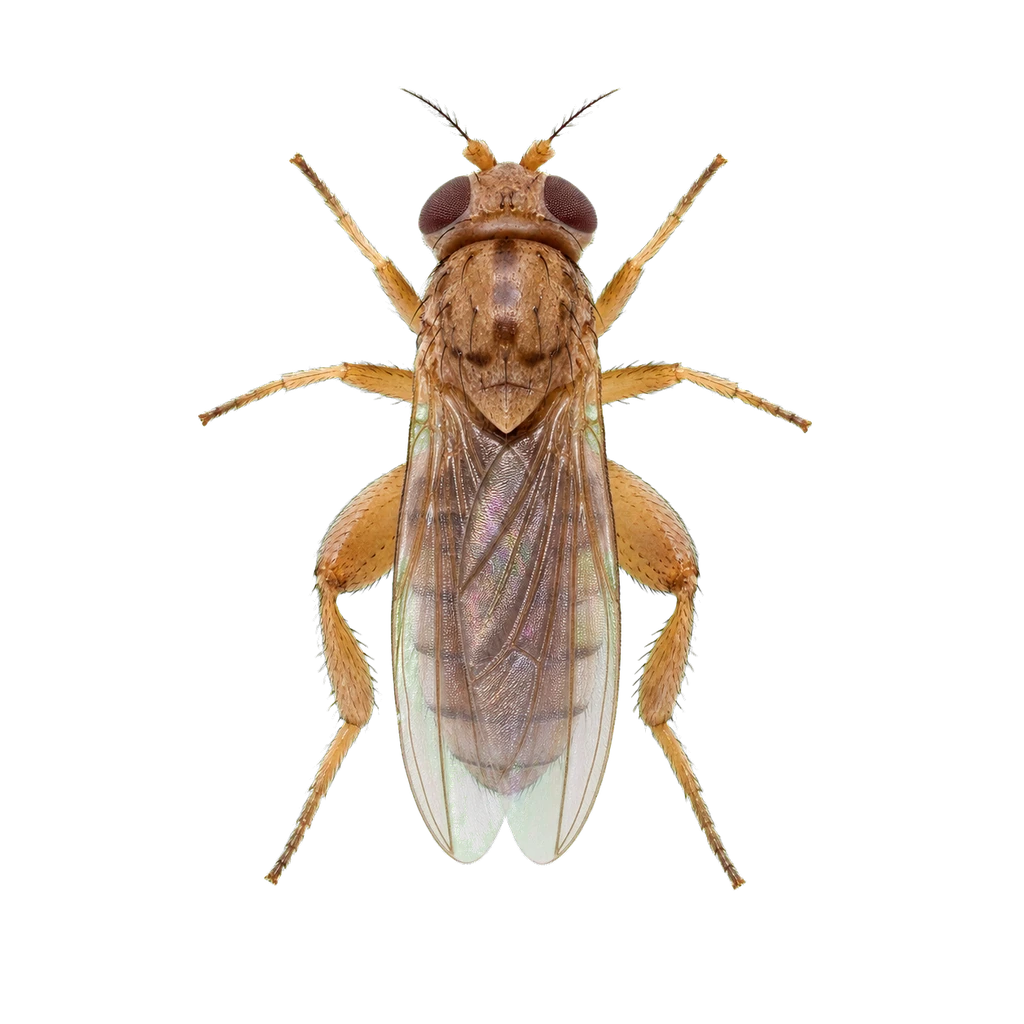
Phorid flies are tiny, hump-backed flies that breed in decomposing organic matter deep inside drains, broken sewer lines, and under slabs. Their presence often indicates a plumbing leak or sewer break that needs repair before the flies can be eliminated.
Learn MoreLocal providers experienced with fall overwintering invaders are ready to inspect, treat, and seal entry points, no obligation.