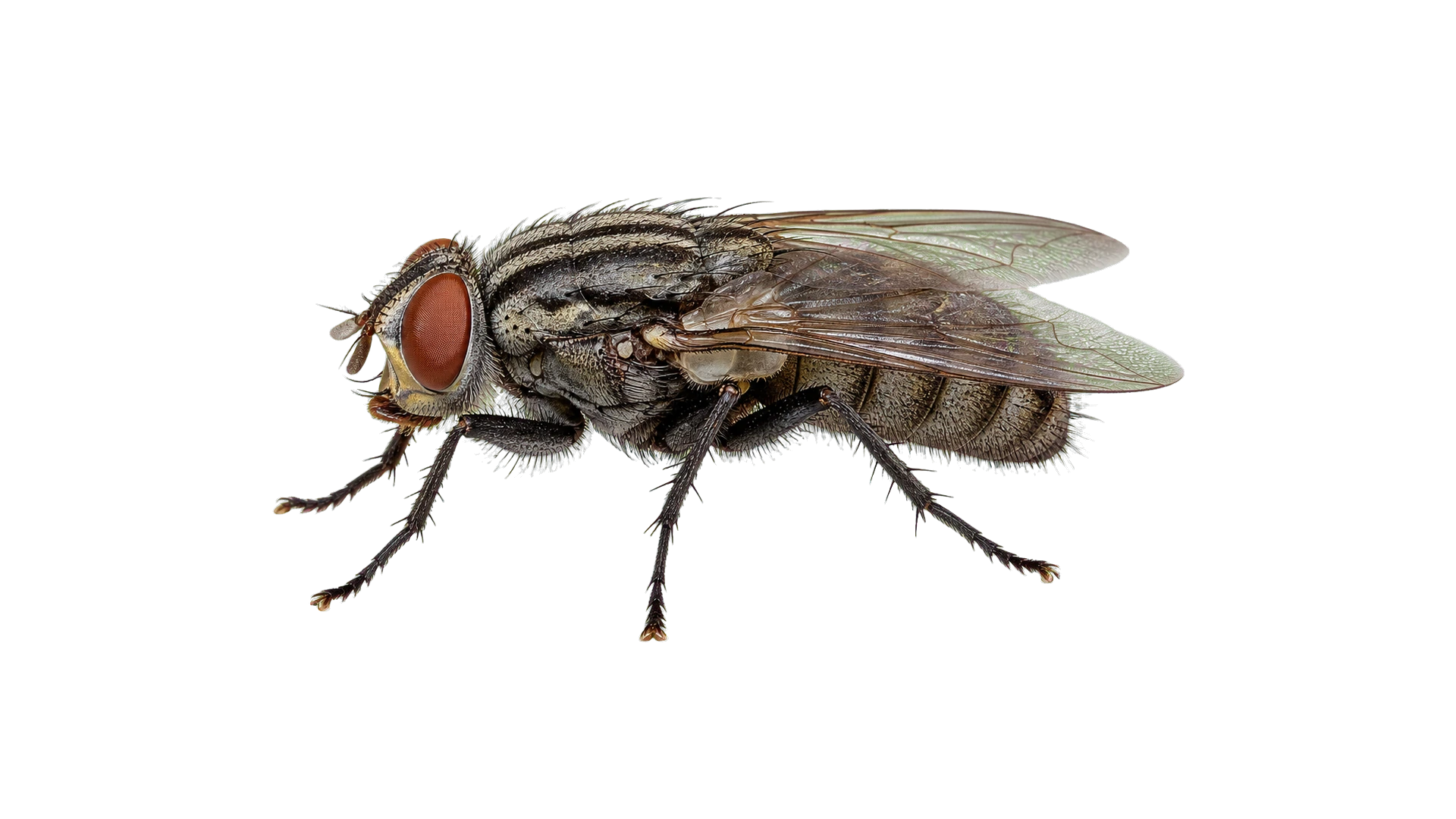
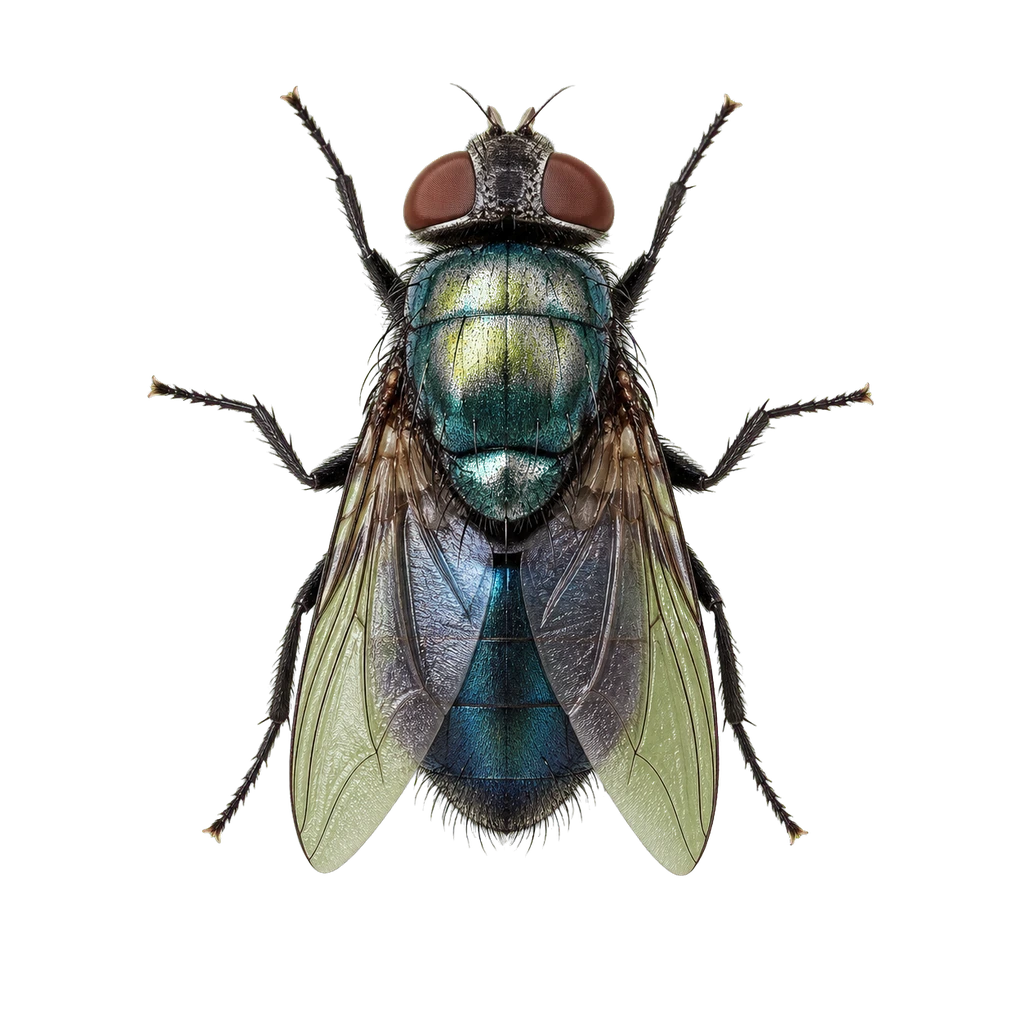
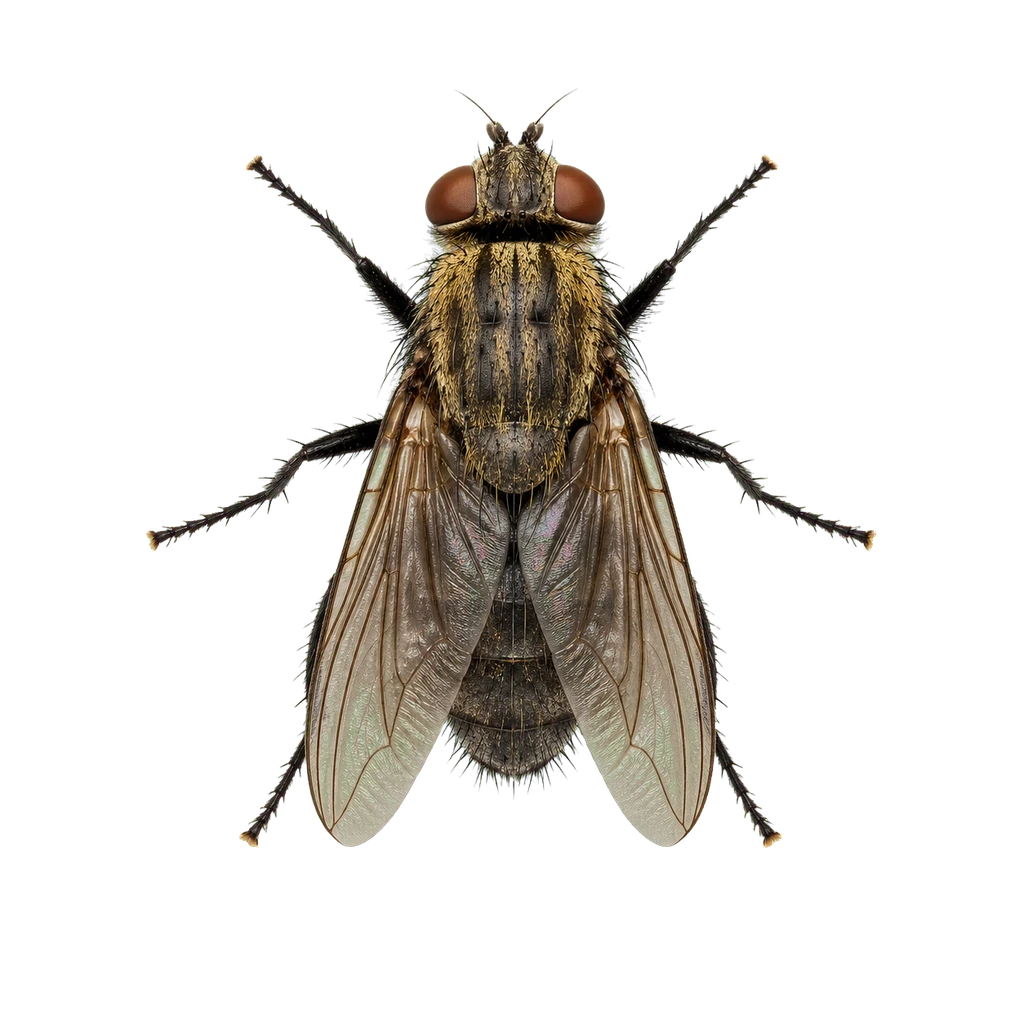
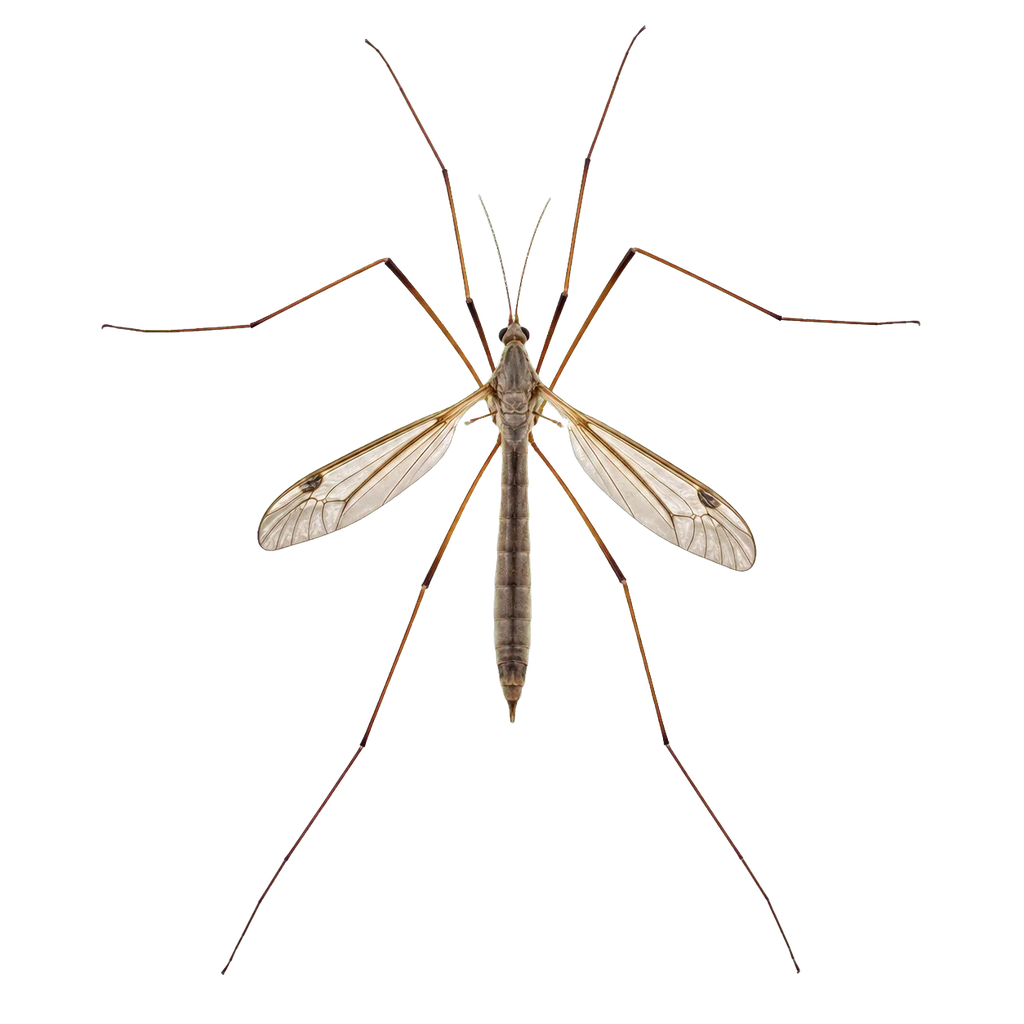
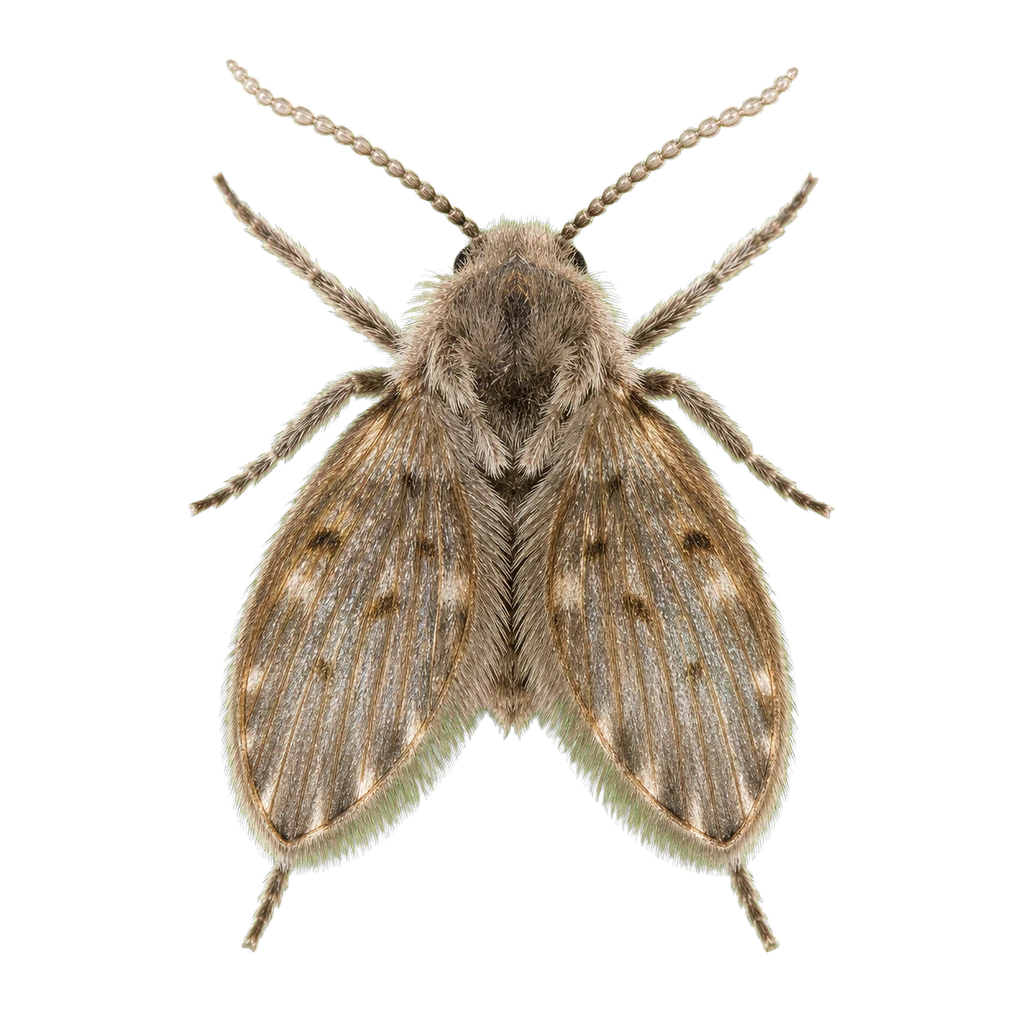
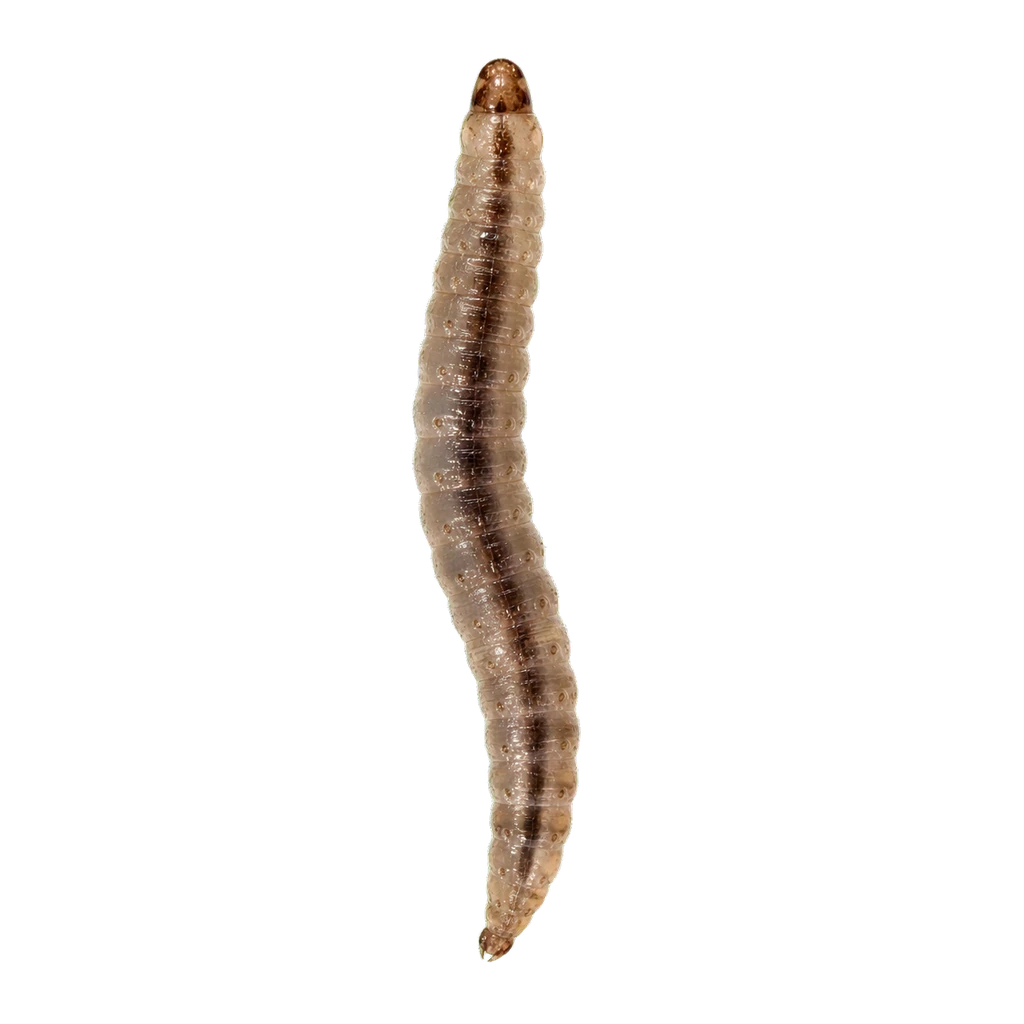
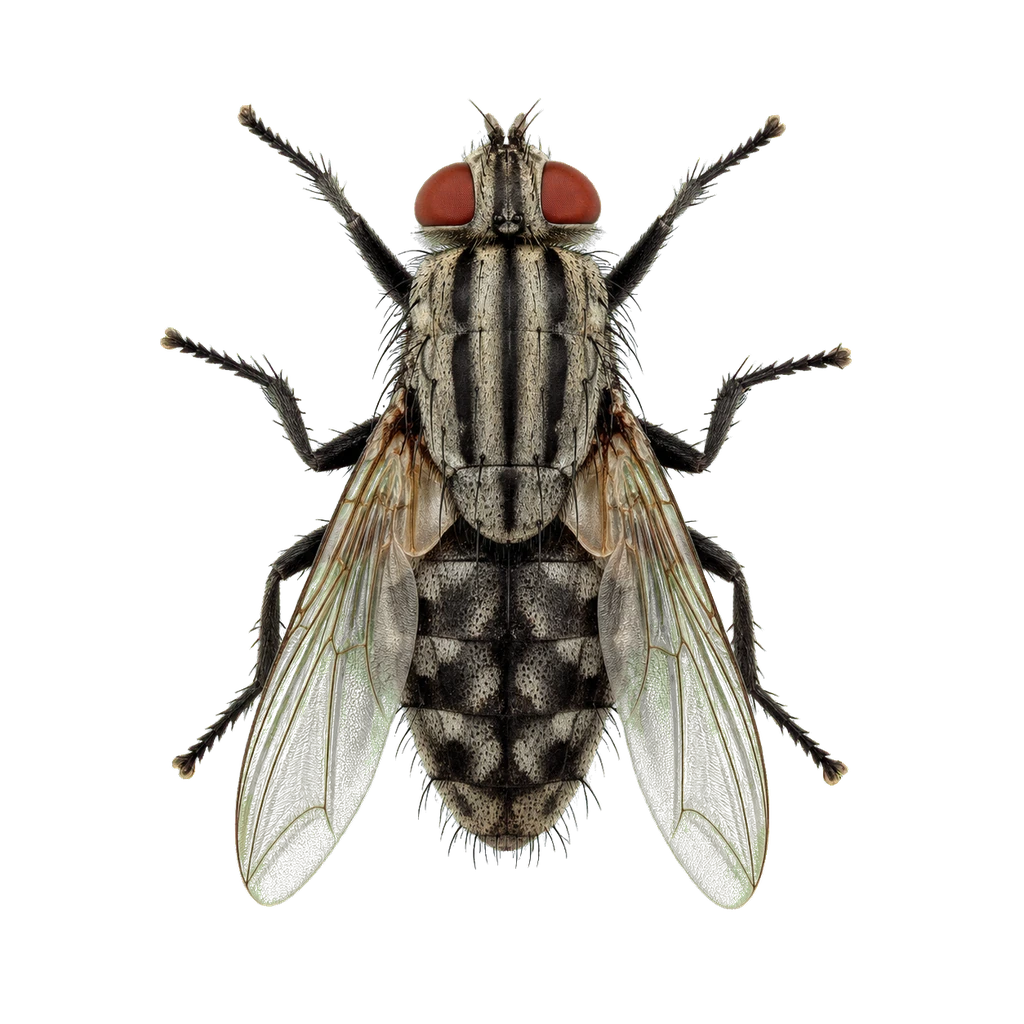
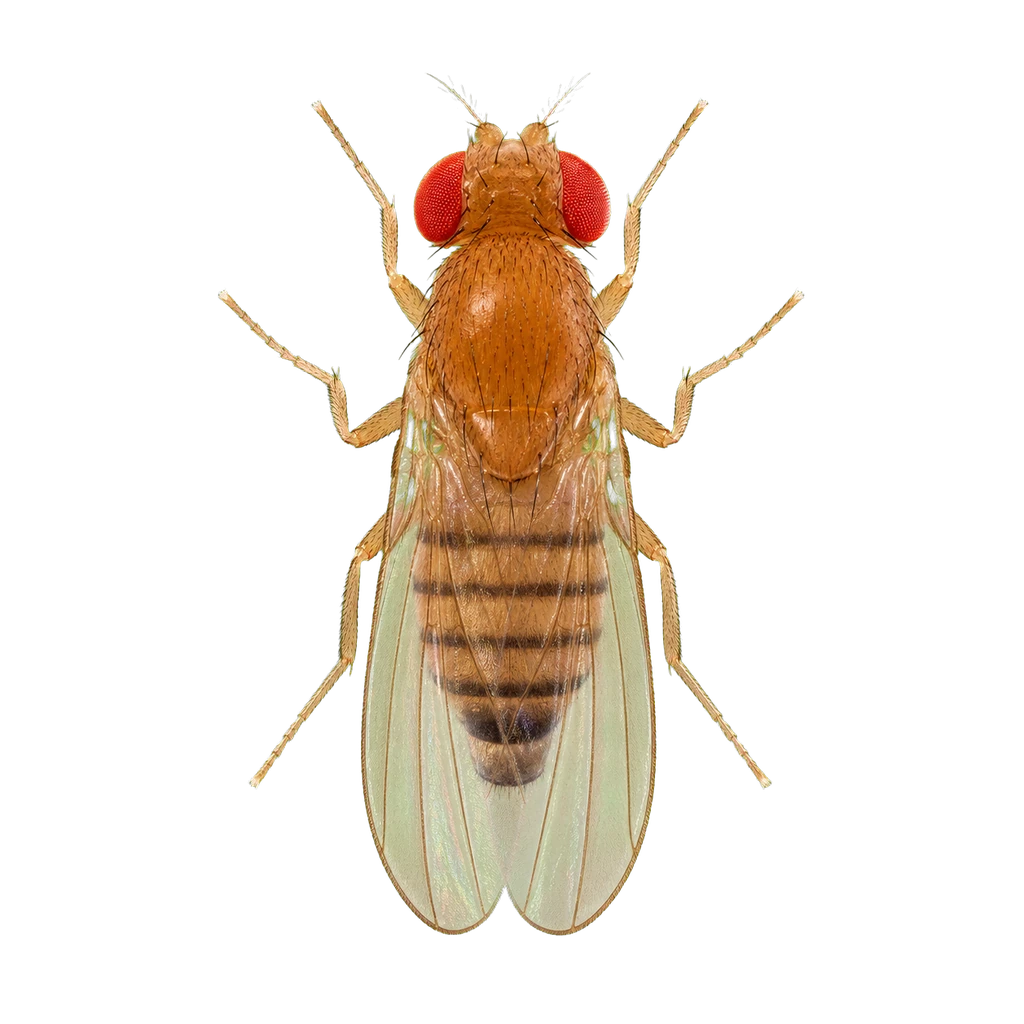
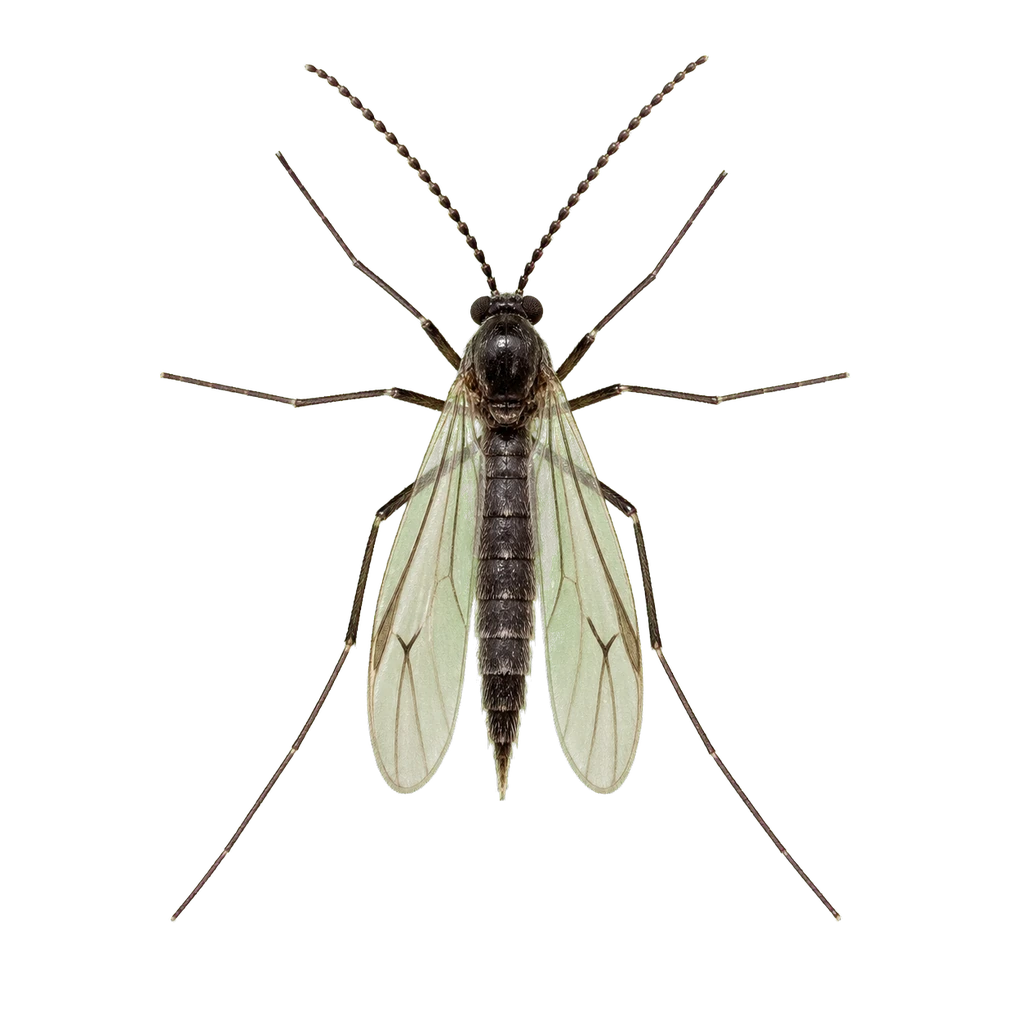
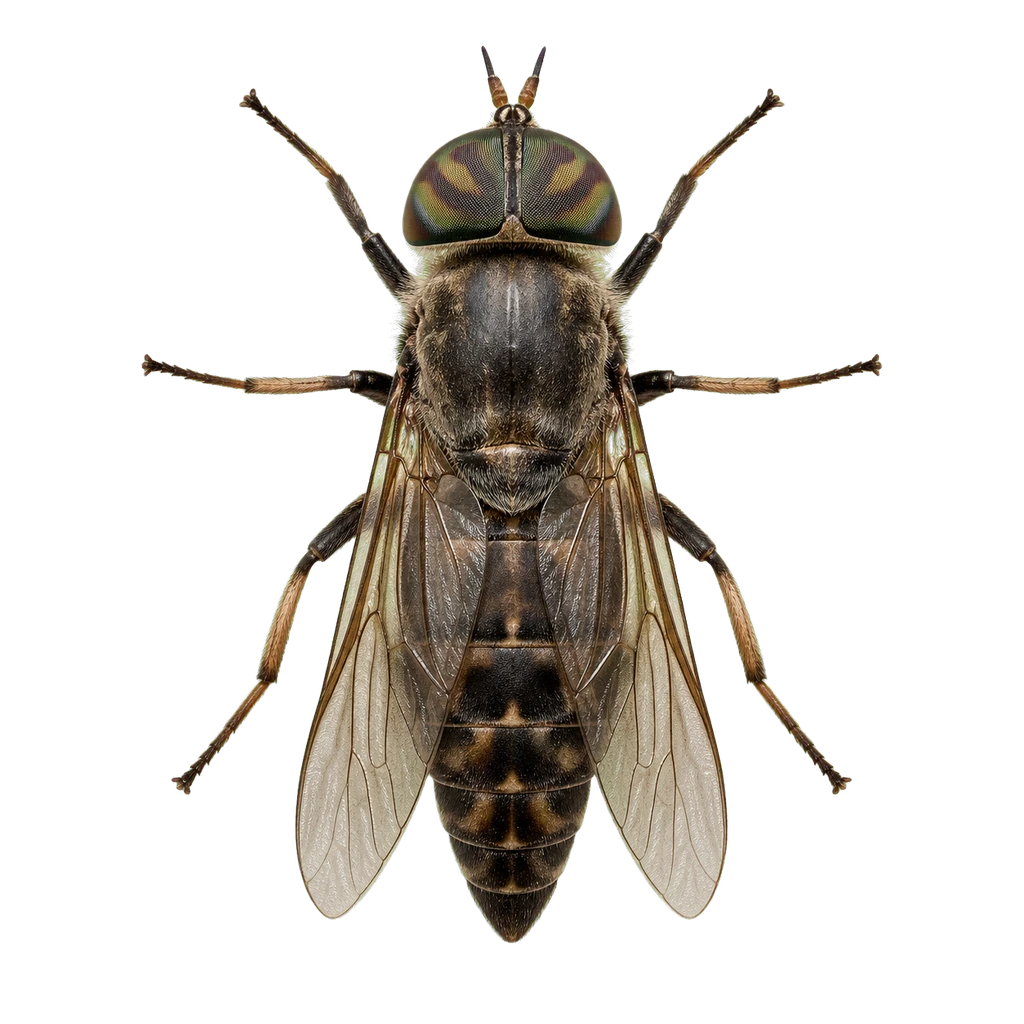
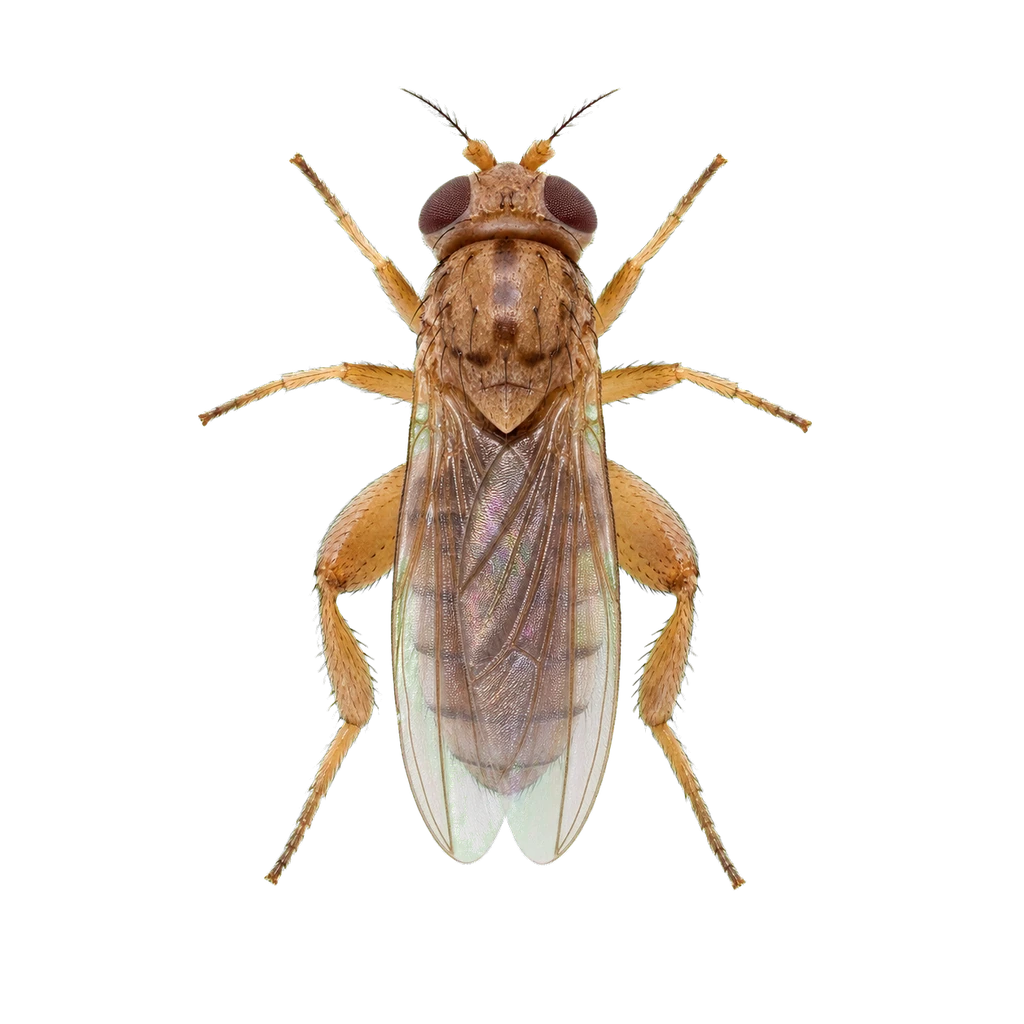
House flies are one of the most documented pathogen vectors in residential settings. Public health research links them to more than 100 different pathogens, including Salmonella, E. coli, Shigella, Campylobacter, typhoid, dysentery, polio, anthrax, and parasitic worm eggs. Transmission happens because of two body parts: spongy mouthparts that flies dip into liquid filth (feces, garbage runoff, decaying organic matter) and tarsi (feet) covered in tiny hairs that pick up bacteria and protozoan cysts from every surface they touch. A fly that landed on dog feces in your yard can land on a piece of bread on your counter 30 seconds later, and everything stuck to those feet and mouthparts comes with it.
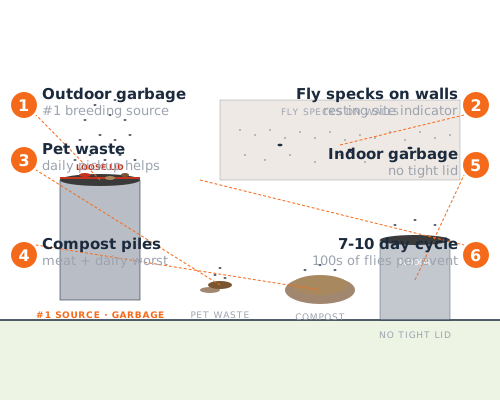
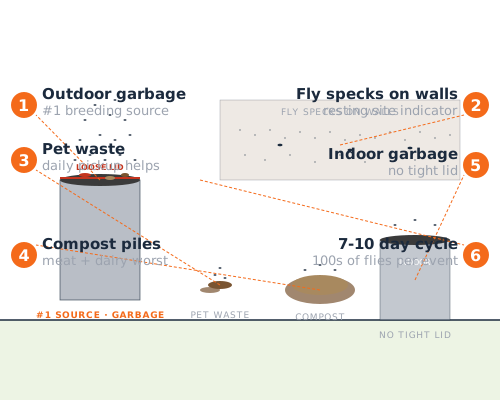
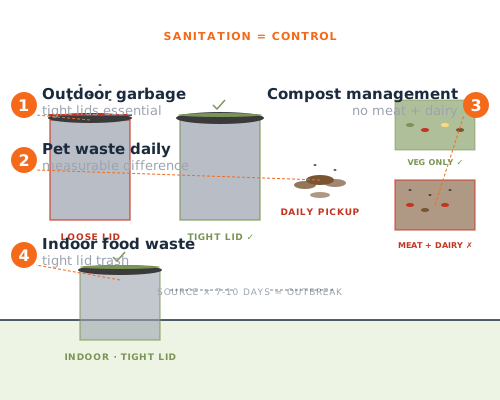
Killing adult flies indoors with aerosol cans gives a temporary visible drop and zero population reduction. Adults are short-lived (15 to 25 days), and every breeding source still active outside produces a new wave of adults every 7 to 10 days. Without sanitation, the count rebounds inside a week. Sanitation, eliminating the wet organic matter where females lay eggs, is the foundational tool against this species. Sprays without sanitation fail. Sanitation without sprays usually works.
A professional inspects systematically for breeding sources (garbage, pet waste, compost, drains, dumpsters within range, possible dead animals in wall voids), writes a sanitation plan with specific steps, treats adult resting surfaces with appropriate residuals, deploys ULV space sprays for active infestations, recommends UV light traps where they fit, and runs exclusion work at doors, windows, and vents. Multi-visit cadence catches new sources before populations rebuild. Residential programs typically cost $200 to $500 for the initial visit and $50 to $120 per month for recurring service, commercial and food-service work runs higher.
The pathogen-vector risk is what elevates this beyond a nuisance issue. Households with infants, elderly residents, immunocompromised members, or active food handling should treat heavy house fly populations as a public-health intervention, not a comfort issue. The cost of letting it run another summer is measured in food-handling risk and possible gastrointestinal illness, not just annoyance.