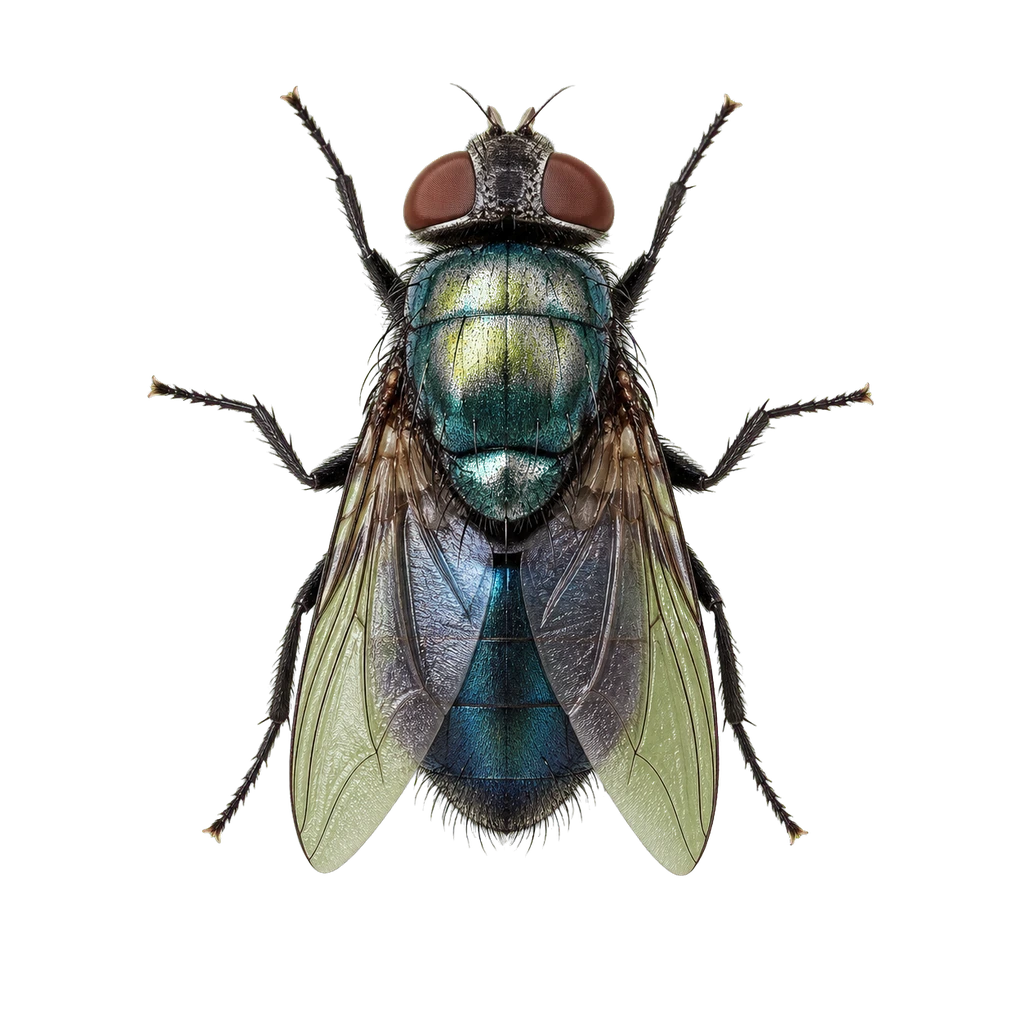
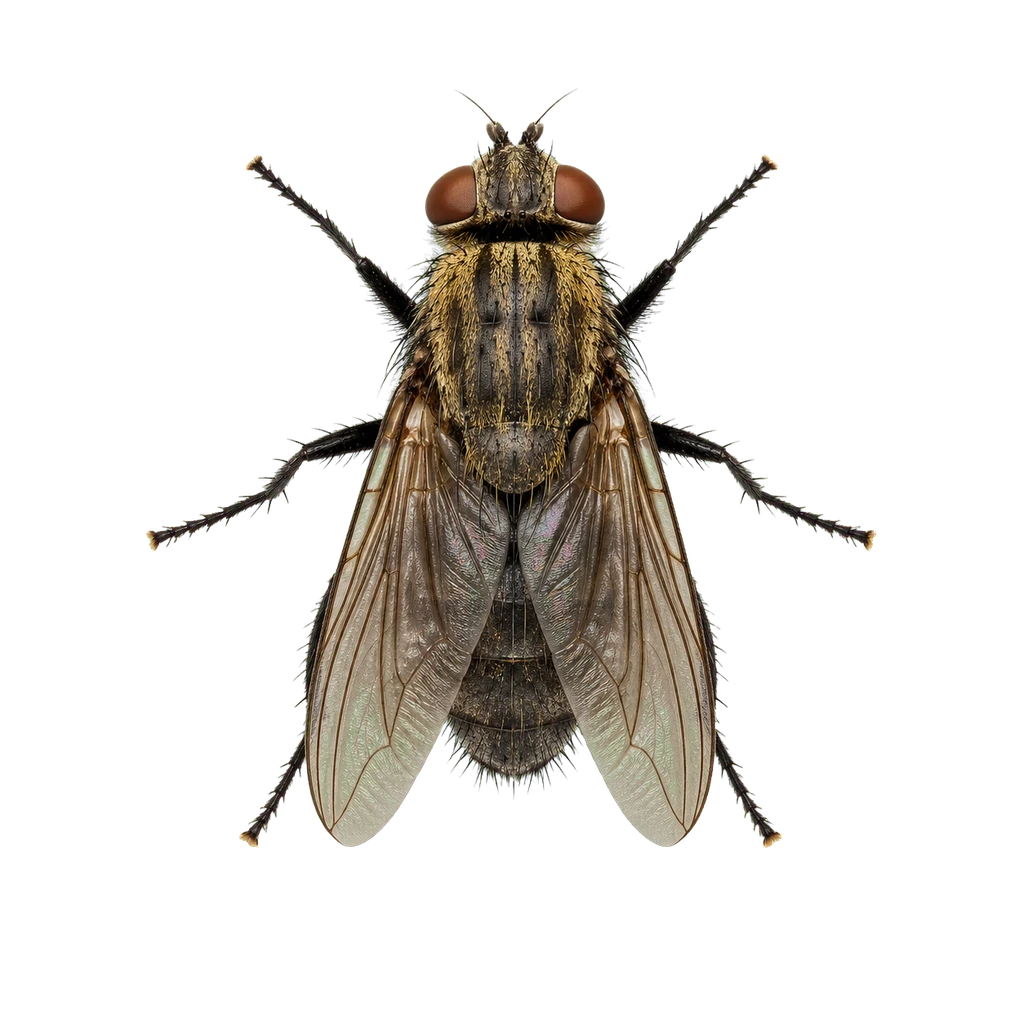
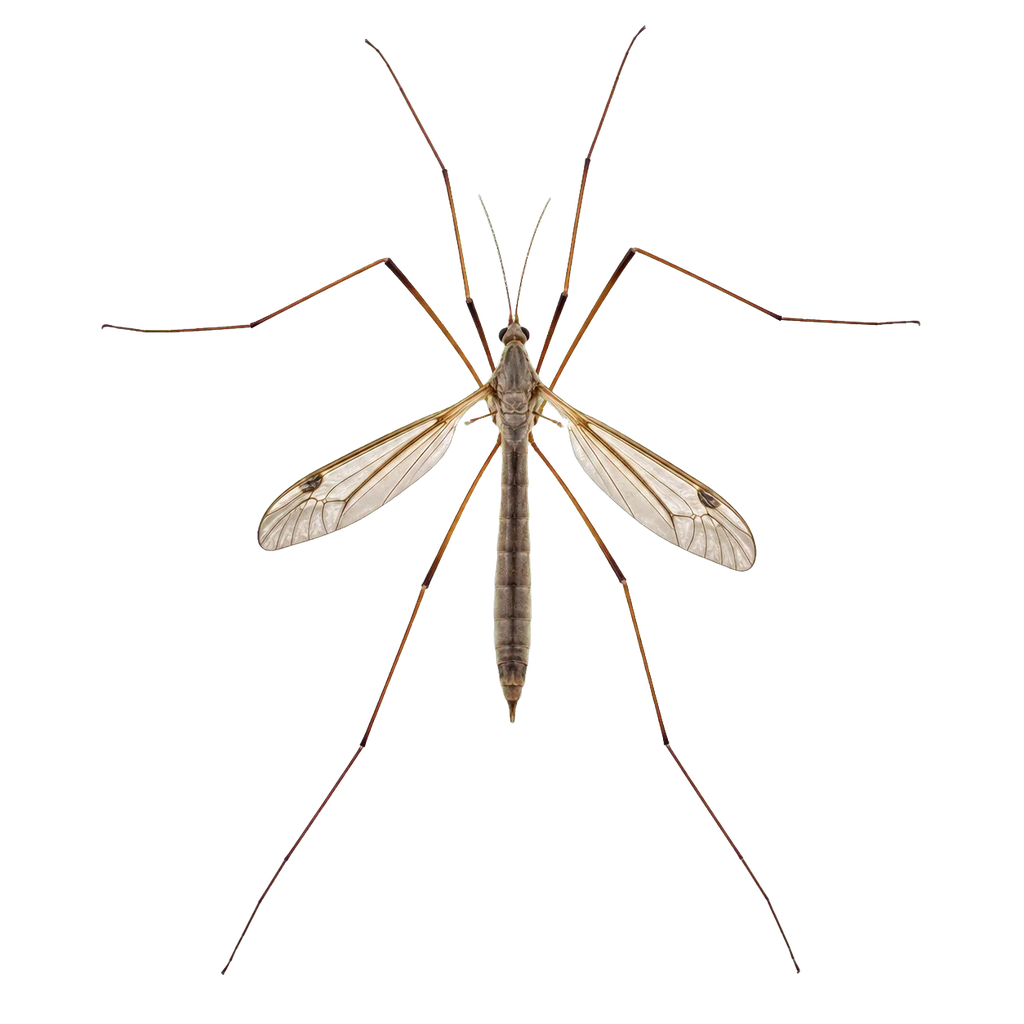
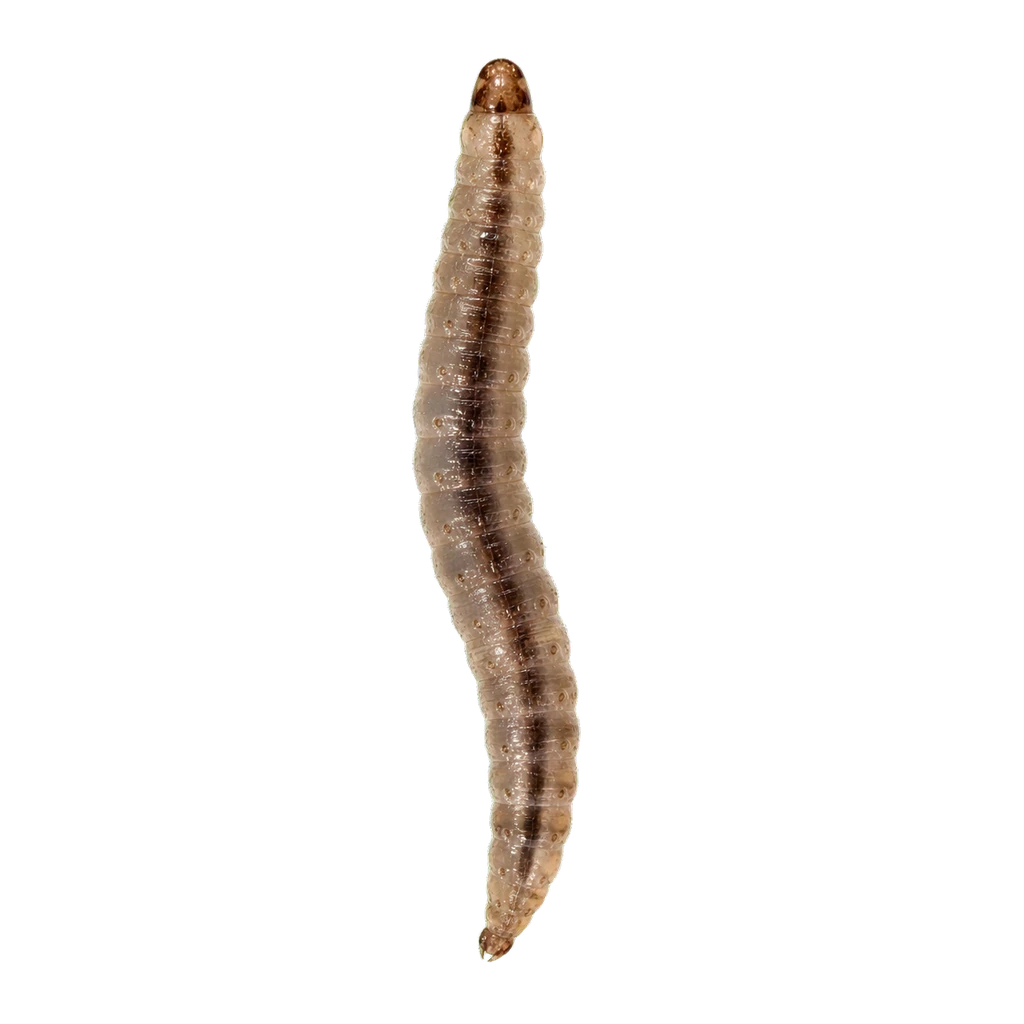
Local pest control help is one call away.

Drain Fly: Identification, Treatment & Prevention

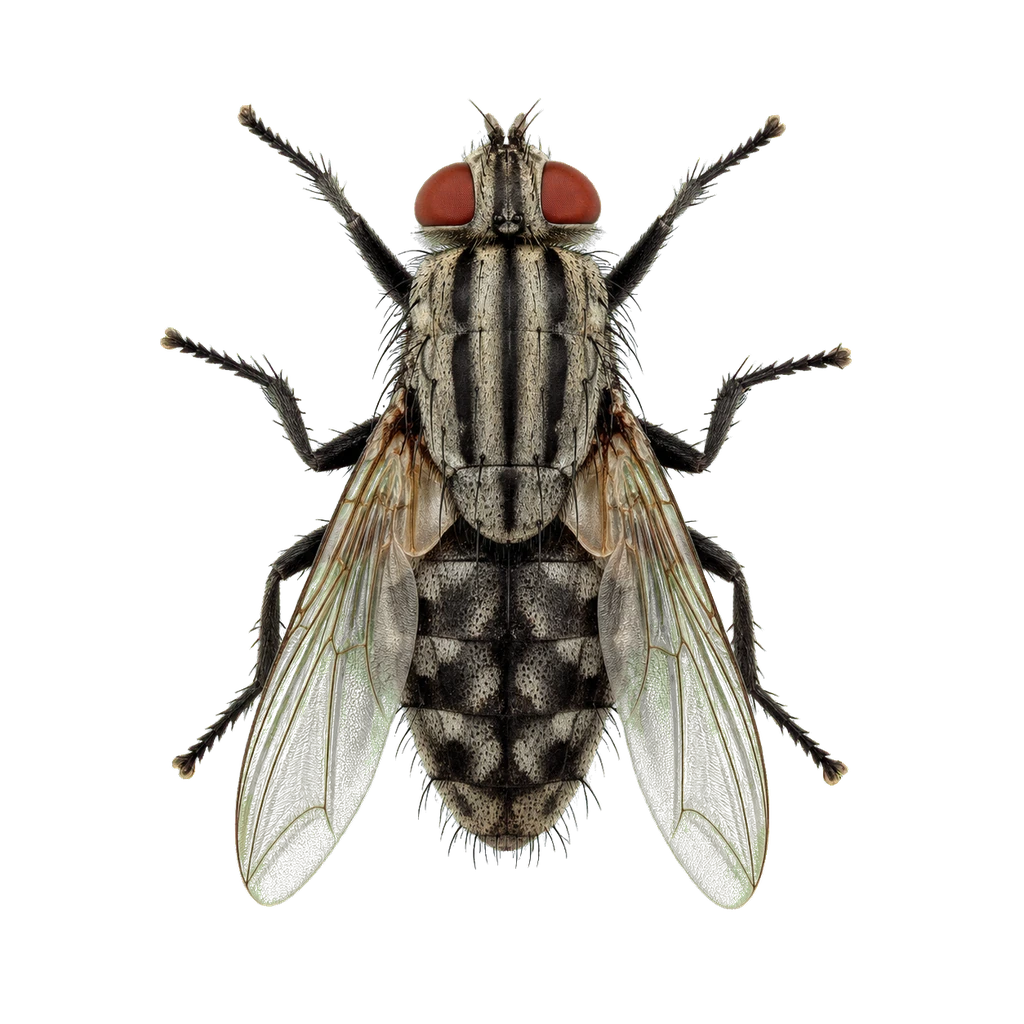
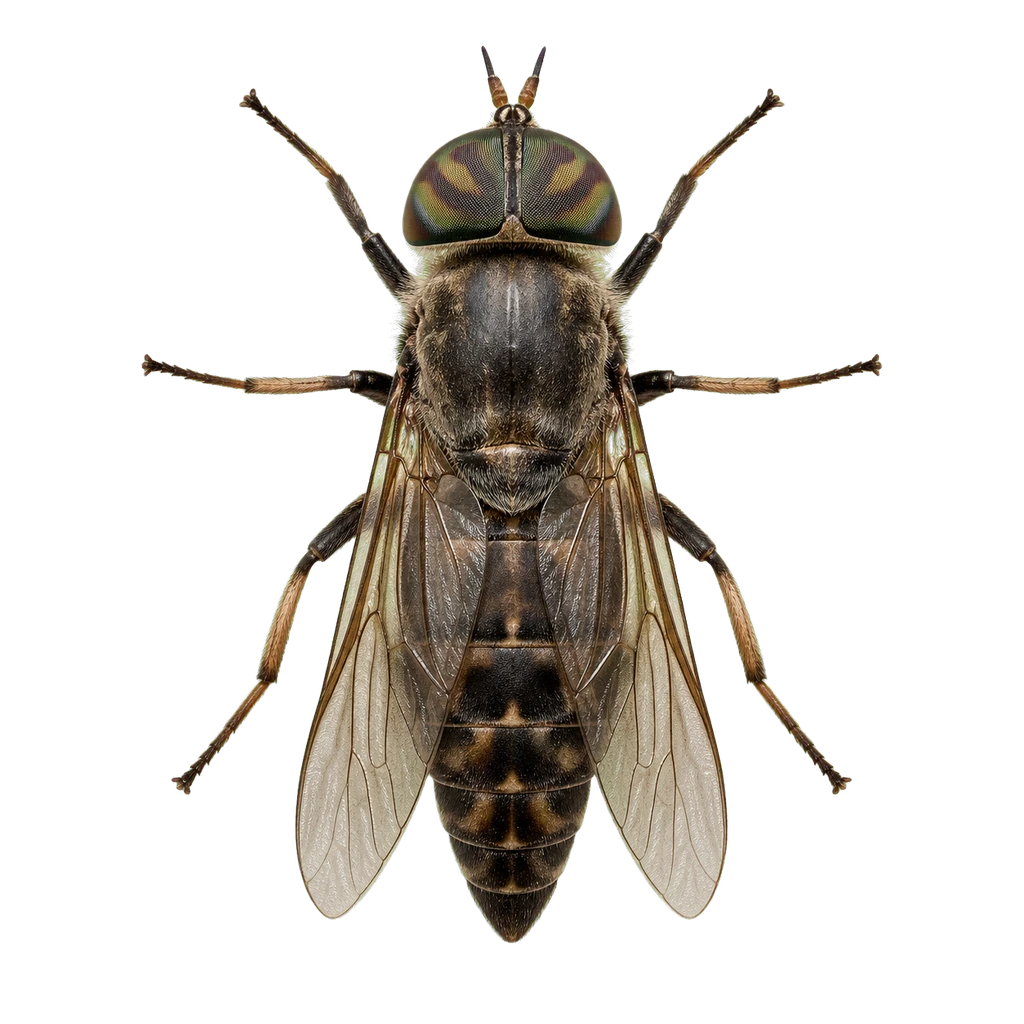
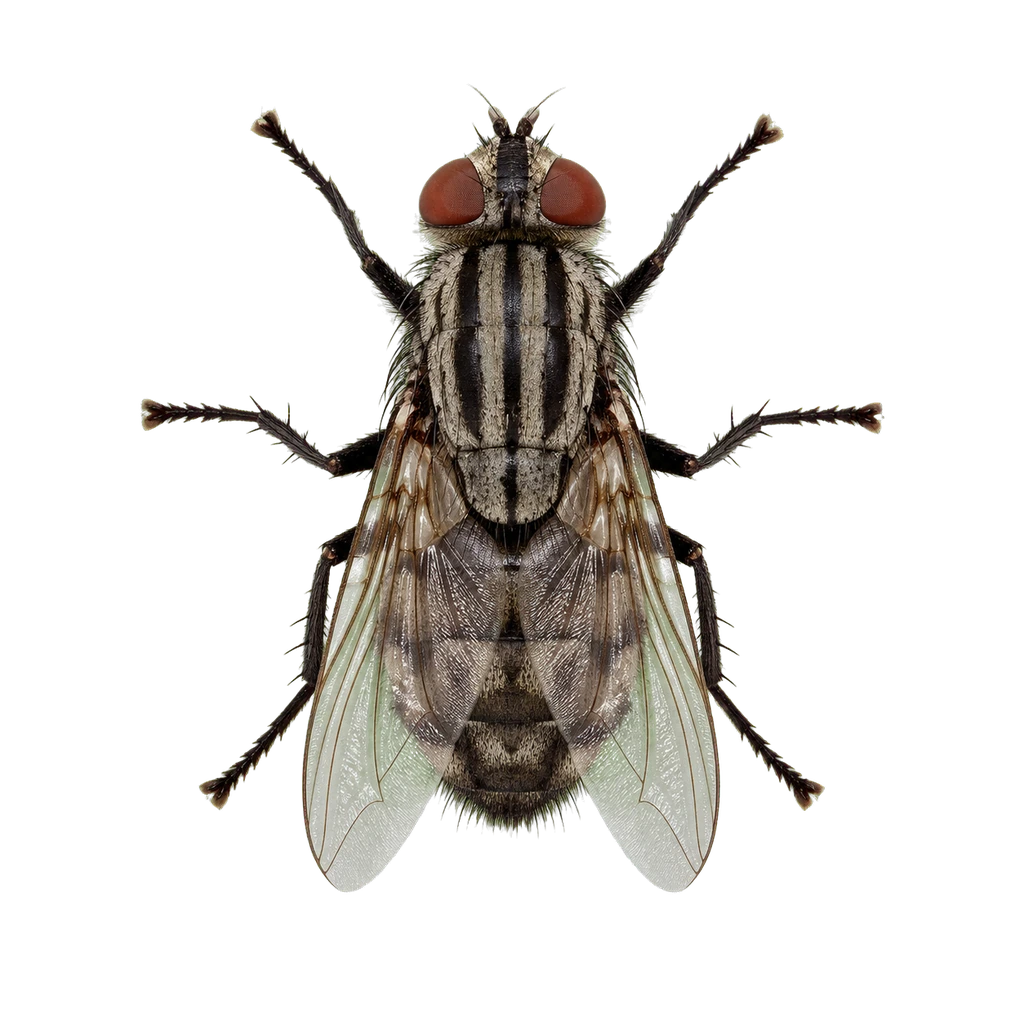
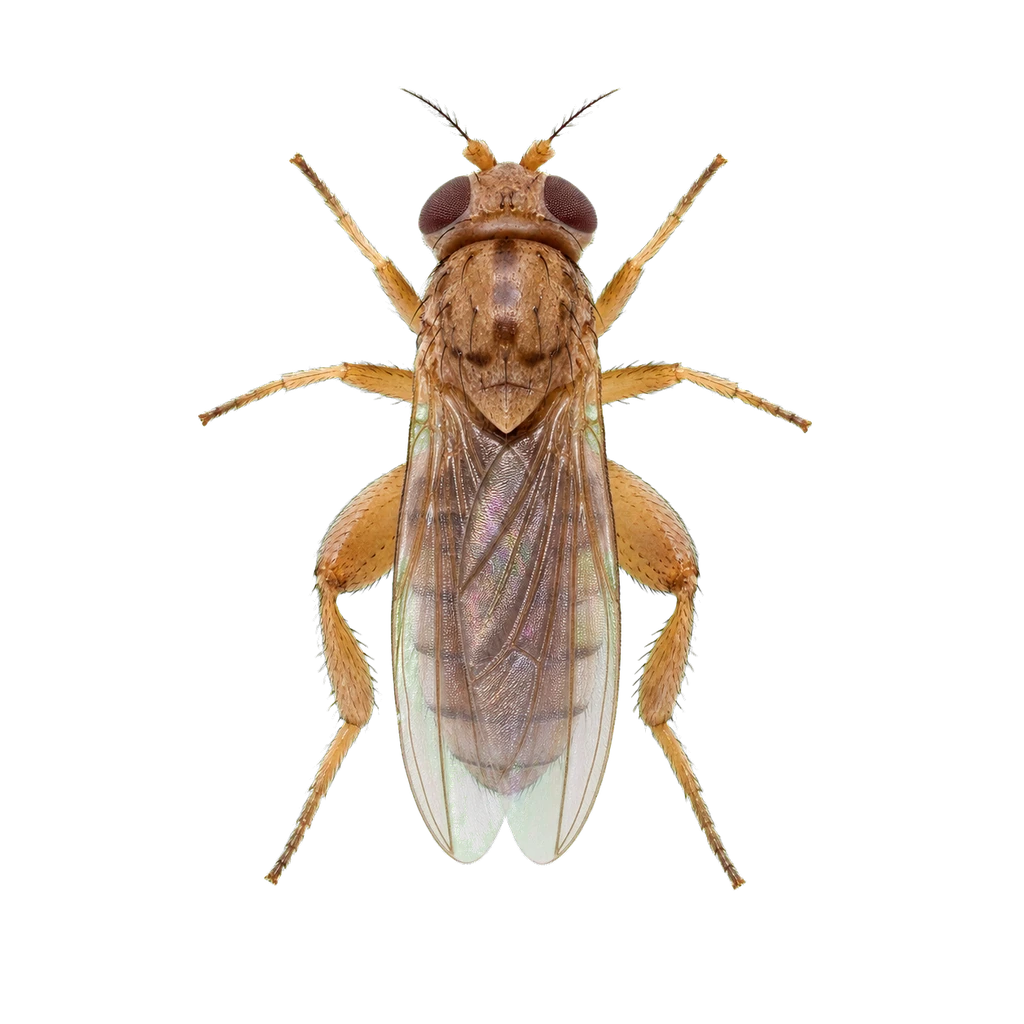
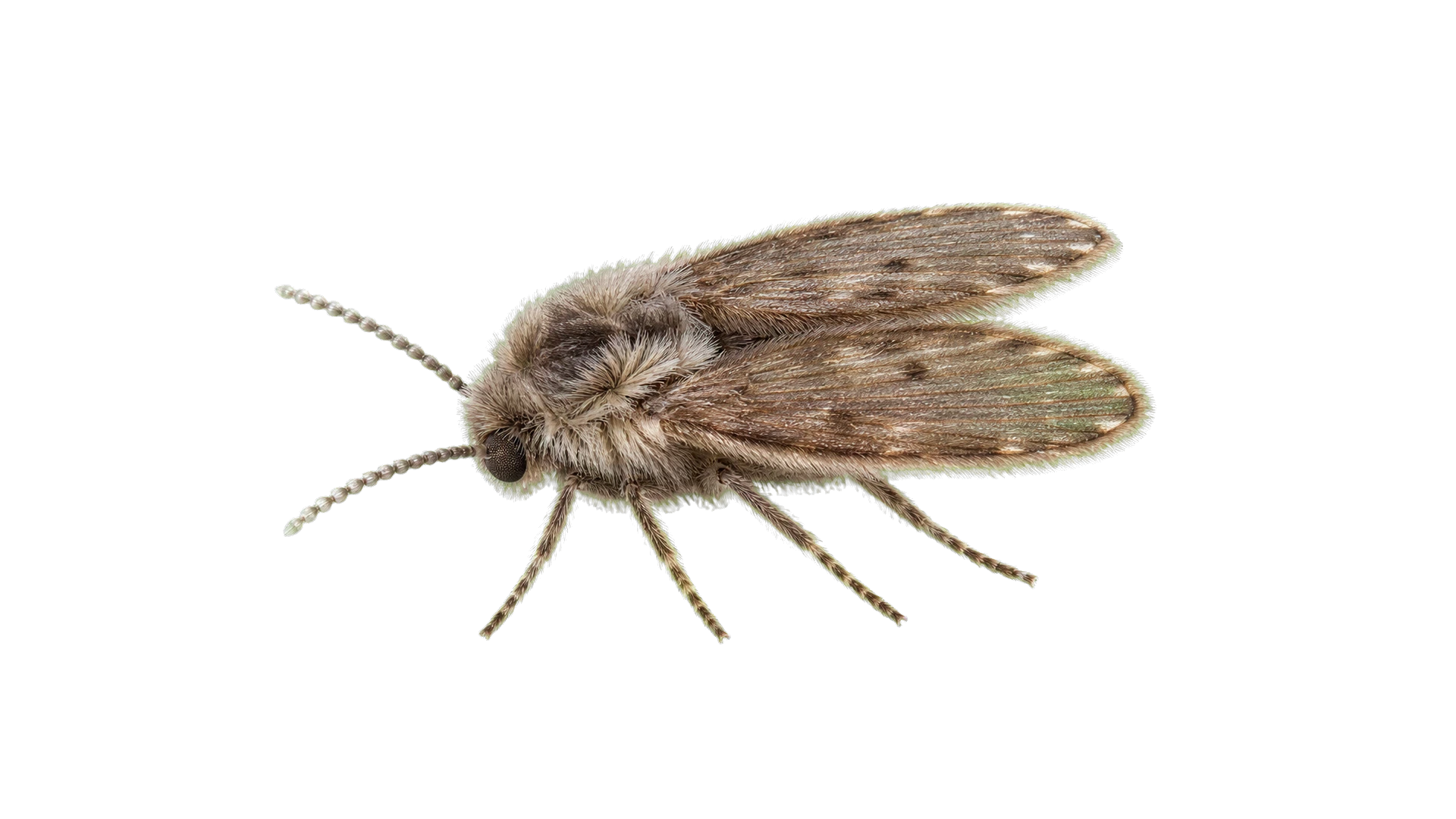
Drain flies are tiny fuzzy moth-like flies, 2 to 5 millimeters long, with wide rounded wings they fold roof-like over their body when they land. They look more like a miniature moth than a fly, and they're weak fliers, you'll see them walking on tile or making short hops along a wall, almost never crossing a room in one flight. They aren't a health threat on their own, but they are one of the loudest signals a home gives that something has gone wrong inside the plumbing.

If you're seeing small fuzzy flies resting on the wall above a sink, hovering near a shower drain, or showing up around a basement floor drain after the room has been quiet for a few days, you have drain flies. This guide covers how to confirm them, why they're breeding in biofilm rather than the water itself, why bleach doesn't fix it, and what an honest treatment plan looks like for a residential or commercial drain.

Close-up illustration of a drain fly showing fuzzy body, hair-like scales, and roof-like wing posture

ID Card: Drain Fly

Scientific name
Psychodidae
Color
Gray, tan
Size
1/16 to 1/8 inch
Body shape
Tiny, moth-like with fuzzy leaf-shaped wings
Antennae
Long, bead-like, 13-16 segments
Key evidence
Small fuzzy flies hovering near drains, slimy buildup inside drain pipes
Also known as
Moth flies, Sewer flies, Sink flies

Related Species

Call to get matched with a local pest control pro.

Available 24/7
(888) 495-1510
  • Specialists who inspect every connected drain, not just the one you noticed
  • Enzymatic biofilm treatment that reaches the slime layer inside the pipe wall
  • Camera scope referrals when the source is a shared sewer line or grease trap

Where to Look for Drain Fly Breeding Sites

Cross-section illustration showing drain fly emergence from biofilm on the inner walls of a drain pipe and connecting sewer line

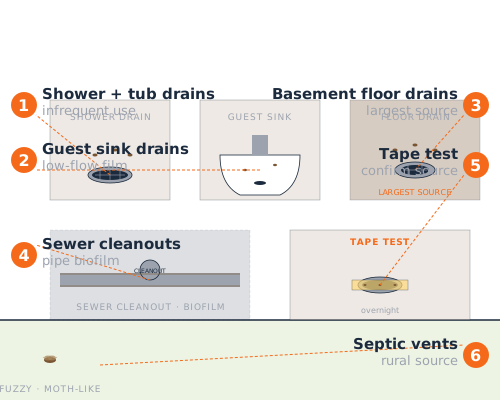
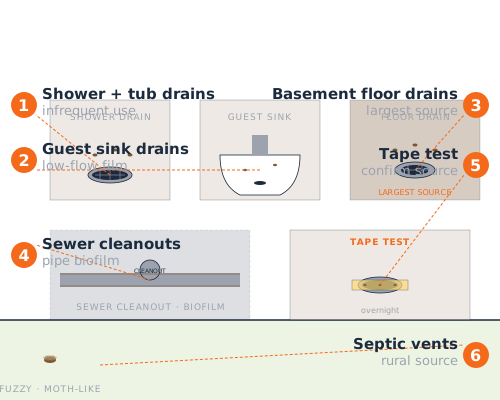
Drain flies don't come in from outside. Every fly you see emerged from a drain, sump pit, or sewer access somewhere in or under the building. The job of inspection is figuring out which one, since the visible adults rest on walls and ceilings near the breeding source, not on the source itself. Walk these zones with a flashlight and a strip of clear tape:

  • Seldom-used bathroom drains, Guest showers, second-floor tubs, and basement bath sinks dry out their P-traps and grow biofilm on the pipe walls faster than active drains. These are the #1 source in single-family homes.
  • Kitchen sink and garbage disposal, Food residue feeds a thick biofilm layer inside the disposal housing and the trap below. Lift the disposal splash guard and look at the underside, black grimy film is the breeding substrate.
  • Basement and laundry-room floor drains, Often forgotten for months at a time. Pull the strainer cover and shine a light down, a coating of dark slime on the trap walls confirms the source.
  • Sump pump pits, Standing water plus organic debris settles into a film around the pit walls and pump housing. A persistent fly cloud in an unfinished basement usually traces back here.
  • AC and water-heater condensate lines, Slow-draining condensate pans and the PVC line that carries them away grow biofilm in warm humid conditions. Common drain-fly source in attics and utility closets.
  • Tape test, any suspect drain, Tape a strip of clear packing tape sticky-side-down across the drain opening overnight, leaving a small gap for airflow. In the morning, count the flies stuck to the tape. The drain with the most catches is the breeding drain.

If two or more drains catch flies, you've got a shared source somewhere downstream, the sewer line, the grease trap, or a cracked pipe under the slab. Drain flies are poor fliers and rarely travel between drains through the air, so simultaneous activity at multiple drains almost always means the breeding biofilm is on the connecting pipe both drains share. That's the situation where a camera scope of the sewer line earns its cost, because surface treatment of each fixture won't reach the source.

Cross-section illustration showing drain fly emergence from biofilm on the inner walls of a drain pipe and connecting sewer line
Illustration showing drain fly emergence from biofilm-coated drain interiors, sump pits, condensate lines, and shared sewer line connections

Why Do I Have Drain Flies?

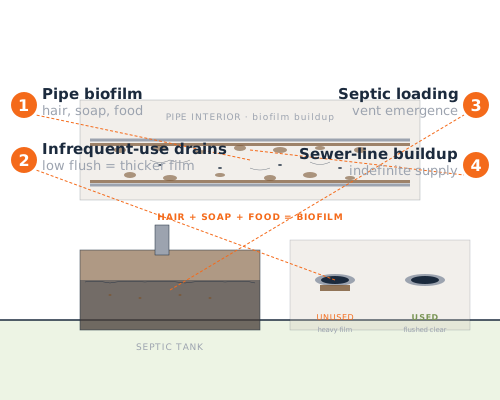
Finding the drain is step one. Understanding what they're actually feeding on is what keeps them from coming back. Drain flies don't breed in drain water. They breed in biofilm, the soft slimy layer that builds up on the inside of pipe walls when hair, soap scum, grease, and food particles settle out and bacteria knit them together. The larvae eat that biofilm directly. Knock down the biofilm and the population collapses. Leave it in place and the next batch of eggs hatches the same week.

What anchors them to your plumbing:

  • Built-up biofilm inside drain pipes, the slime layer on the pipe wall is the food source, the larvae live in it, and bleach poured down the drain runs straight over it without dissolving the film underneath
  • Drains that don't get used, P-traps dry out, biofilm grows undisturbed, and a quiet guest bathroom can hatch thousands of flies before anyone walks in
  • A sump pit or condensate pan holding standing water, organic debris settles in, biofilm forms on every wet surface, and the pit becomes a closed-loop breeding chamber
  • A shared sewer line carrying biofilm between fixtures, in older homes with rough cast-iron pipe interiors, the biofilm extends along the entire pipe run and resupplies every drain on the system
  • Heavy organic load in a commercial setting, restaurants, bars, and food-prep kitchens generate so much grease and food residue that the grease trap and floor drains become permanent biofilm reservoirs

A fresh population starts when a single female lays a mass of 30 to 100 eggs on the biofilm inside a drain. Two days later, the larvae hatch and start feeding. Two weeks after that, adults emerge and start the next cycle. As long as the biofilm is there, the cycle repeats indefinitely, multiple overlapping generations stacked on top of each other in a warm pipe. Cooling the room down or flushing the drain with water does nothing, because the breeding habitat is locked into the pipe wall, not the water passing through it.

How Serious Is Your Drain Fly Problem?

Find your scenario below. Each row reflects the real progression of a biofilm-driven drain fly population, not a generic fly timeline.

What You're Seeing Severity If Untreated Next Step
A handful of fuzzy flies on the bathroom wall, one drain looks suspect Early Population will double every 2 to 3 weeks as biofilm thickens and more eggs survive each generation Tape-test to confirm the drain. Brush the inside walls of the trap with a stiff bottle brush. Pour an enzymatic drain cleaner down nightly for 7 to 10 days.
Flies showing up at two or more drains, persistent activity after DIY Moderate Shared biofilm in the connecting pipe is resupplying every fixture, the population will keep climbing as long as the line is coated Schedule a professional drain inspection this week. You need treatment on every affected drain at once, plus a look at the shared line, not one fixture at a time.
Heavy clouds of flies in a commercial kitchen, bar, or food-prep area High Health-code inspection risk climbs quickly, and grease-trap biofilm will keep generating flies indefinitely without service Call a professional this week. Commercial treatment usually means grease-trap service, every floor drain treated together, and a sewer camera scope on the building's main line.
Sewer odors, gurgling drains, plus heavy drain fly activity across the building Urgent Likely a cracked sewer line or failed slab connection, the biofilm is being fed by leaking sewage and pest treatment alone won't fix it Call today and request a camera scope of the sewer main alongside pest treatment. Plumber and pest specialist need to coordinate, this is a structural repair, not a spray.
A handful of fuzzy flies on the bathroom wall, one drain looks suspect
Severity Early
If Untreated Population will double every 2 to 3 weeks as biofilm thickens and more eggs survive each generation
Next Step Tape-test to confirm the drain. Brush the inside walls of the trap with a stiff bottle brush. Pour an enzymatic drain cleaner down nightly for 7 to 10 days.
Flies showing up at two or more drains, persistent activity after DIY
Severity Moderate
If Untreated Shared biofilm in the connecting pipe is resupplying every fixture, the population will keep climbing as long as the line is coated
Next Step Schedule a professional drain inspection this week. You need treatment on every affected drain at once, plus a look at the shared line, not one fixture at a time.
Heavy clouds of flies in a commercial kitchen, bar, or food-prep area
Severity High
If Untreated Health-code inspection risk climbs quickly, and grease-trap biofilm will keep generating flies indefinitely without service
Next Step Call a professional this week. Commercial treatment usually means grease-trap service, every floor drain treated together, and a sewer camera scope on the building's main line.
Sewer odors, gurgling drains, plus heavy drain fly activity across the building
Severity Urgent
If Untreated Likely a cracked sewer line or failed slab connection, the biofilm is being fed by leaking sewage and pest treatment alone won't fix it
Next Step Call today and request a camera scope of the sewer main alongside pest treatment. Plumber and pest specialist need to coordinate, this is a structural repair, not a spray.

Drain flies are an indicator pest. The fly count tells you how thick the biofilm has gotten, the spread tells you how far it extends. If you're between two rows, treat the higher one as your situation.

How a Drain Fly Population Grows

Drain flies complete an entire generation in under three weeks indoors, and warm biofilm-rich pipes run multiple overlapping generations at once. The numbers below explain why a single round of bleach does nothing, and why consistent enzymatic treatment for a week or two collapses the population.

  1. Egg

    About 32 to 48 hours

    A single female lays a mass of 30 to 100 eggs directly on the biofilm inside the pipe, just above the water line in the trap. Eggs are gelatinous and stick to the slime layer so they don't wash away when water flows through. Hatch happens within two days.

  2. Larva

    About 9 to 15 days inside the biofilm

    The larvae are tiny and tube-shaped, and they live buried inside the biofilm itself. They feed on the bacteria and organic matter in the slime layer continuously. This is the stage that matters for treatment, anything that doesn't reach the larvae inside the biofilm leaves the cycle running.

  3. Pupa

    About 1 to 2 days

    Larvae pupate at the top edge of the biofilm just above the water. Pupation is fast, which is why a drain can look quiet for a day and then produce a fresh wave of adults the next morning.

  4. Adult

    Adults live about 1 to 2 weeks

    Adults emerge from the drain and stay close to home. They're poor fliers and prefer short hops along bathroom walls, ceilings, and tile. Females start laying eggs within days of emergence, so multiple overlapping generations stack up in any warm drain with persistent biofilm.

Indoor populations run year-round in heated buildings, with multiple overlapping generations active in any drain that holds a steady biofilm. Removing the biofilm is the only thing that breaks the cycle, the lifecycle isn't slow enough for a single treatment to outlast it, but it isn't fast enough to outrun a consistent week of enzymatic application either.

When Drain Flies Are Most Active

Drain fly activity is mostly indoor and mostly year-round, since heated buildings keep pipe interiors in the 60 to 80 degree range that the larvae prefer. Outdoor weather barely registers, what matters is how warm and humid the plumbing environment stays.

  • Spring

    Activity climbs in any drain that went unused over the winter. Guest bathrooms, basement showers, and second-floor tubs that sat dry for months come back online with biofilm already established. Spring deep cleaning often pulls flies out of drains that nobody knew were a problem.

  • Summer

    Peak season indoors. Warmer ambient temperatures shorten the lifecycle from three weeks to under two, so populations turn over faster and emergence rates climb. AC condensate lines become a major secondary breeding source as they run continuously in humid weather.

  • Fall

    Indoor activity stays steady. Outdoor sources slow as soil cools, but anything tied to the building's plumbing keeps running at full pace. The first month of heating-system use also drives moisture into utility closets, which can wake up condensate-line populations that were quiet over the summer.

  • Winter

    Sustained activity in any heated building with biofilm in the lines. The drain fly is not a cold-weather pest in the sense of a fly that goes dormant, the larvae are insulated inside the pipe and the heated structure keeps the cycle moving. Winter is actually a good window for treatment because outdoor reinfestation pressure is zero.

Why DIY Drain Fly Work Often Stalls

Most drain fly cases at a single fixture clear with disciplined DIY, an enzymatic drain cleaner used every night for a week, plus a bottle brush worked along the inside walls of the trap, plus a kettle of boiling water at the end to flush out the broken-up film. The catch is that almost every step has to be done correctly. Bleach instead of enzymatic, sporadic application instead of nightly, no physical brushing of the pipe interior, all of those misses leave biofilm in place and the cycle restarts. The single most common reason homeowners say drain treatment didn't work is that they used bleach, which runs over the biofilm without dissolving it.

Multiple-drain situations are different. When the fly population is showing up at two or more fixtures, the biofilm is in the shared line, not the individual traps, and treating one drain at a time doesn't reach the source. The connecting pipe just resupplies whichever drain you skip. At that point a coordinated treatment of every affected drain on the same visit is the only thing that holds, plus a look at whether the shared line itself needs a camera scope.

Commercial settings rarely stay solved without ongoing service. Restaurants, bars, and food-prep kitchens generate enough grease and organic load to rebuild a thick biofilm inside a grease trap or floor drain in weeks, even after a thorough treatment. The standard approach is a monthly enzymatic maintenance program plus quarterly grease-trap service. Skipping that schedule means the flies come back roughly four to six weeks after the last good treatment, every time.

Initial residential treatment runs about $150 to $400 depending on how many drains are involved and whether attic condensate lines are in scope. Chronic situations, multi-unit buildings, or commercial accounts typically convert to a $30 to $80 per month recurring program. The wait-and-see option here isn't expensive in dollars, but it does mean watching the biofilm thicken and the population climb until a sewer-camera referral becomes unavoidable.

What Changes When a Pro Shows Up

Drain fly work is biofilm work. A specialist isn't there to fog the room or spray the wall, they're there to find every breeding drain, dissolve the slime layer the larvae are living in, and figure out whether the source is a single fixture or a shared line. Here's what changes:

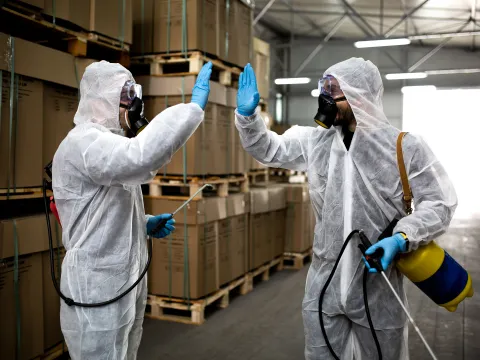
Pest control technicians after completing a drain fly treatment service
  • Local Pest Control
  • 24/7 Availability
  • Quality Workmanship
  • Eco‑Friendly Options
  • Trusted by Homeowners
  • They Tape-Test Every Drain in the Building

    Visible adults rest near the source but don't sit on it. A systematic tape test across every drain (bathroom, kitchen, basement, utility, condensate) tells the specialist exactly which fixtures are breeding and which are clean. Treatment focuses where the eggs are actually hatching.

  • They Treat the Biofilm, Not the Water

    Commercial enzymatic foams cling to the inside of the pipe wall above the water line and digest the biofilm over hours instead of running straight past it the way bleach does. The larvae lose their food source and the next generation never hatches.

  • They Treat Every Connected Drain Together

    If two fixtures share a pipe run, treating one without the other lets biofilm flow back in from the untreated side within days. A real visit hits every confirmed drain on the same day so the whole connected system is cleared at once.

  • They Flag When You Need a Plumber

    If treatment doesn't hold, the source is usually structural, a cracked sewer line, a broken slab connection, a failing grease trap, or a sewer cleanout that's leaking biofilm into the surrounding soil. A specialist tells you when it's time for a camera scope and a licensed plumber rather than another round of pest treatment.

  • Local Pest Control
  • 24/7 Availability
  • Quality Workmanship
  • Eco‑Friendly Options
  • Trusted by Homeowners
NoToPests home

One call connects you with a local specialist who knows drain flies and your area.

Be Ready When You Call

Pest control technician arriving for drain fly service
Junho L.
Daisuke P.
Kirk Q.
Marion K.

Trusted by homeowners nationwide

Call for Pest Control Help (888) 495-1510

Can You Handle This or Do You Need Help?

Drain flies are one of the few pests where consistent DIY at a single fixture really does finish the job. The line between handling it yourself and calling a pro is mostly about how many drains are involved and whether the source is structural.

What DIY Can Do

DIY is genuinely effective at a single drain when the method is right and the schedule is consistent. Useful steps with honest limits:

  • Tape-test confirms exactly which drain is breeding so you stop wasting product on clean fixtures
  • Enzymatic drain treatment poured nightly for 7 to 10 nights dissolves the biofilm the larvae feed on
  • Physical brushing of the trap interior with a long bottle brush speeds the enzyme work and breaks up thicker films
  • Pouring water down unused drains weekly keeps P-traps full and slows biofilm regrowth
  • What DIY cannot do: reach biofilm in shared sewer lines, treat grease-trap or septic-field sources, or rule out a cracked pipe under the slab.

What a Pro Does Differently

Professional drain fly work is built around multi-drain coverage and structural diagnosis. Here's what changes when you call:

  • Tape-test inspection across every drain in the building, including condensate lines and floor drains most homeowners forget
  • Commercial enzymatic foams that cling to the pipe wall above the water line and dissolve biofilm over hours, not seconds
  • Coordinated same-day treatment of every confirmed drain so a shared line can't resupply the cleared ones
  • Sewer-camera referrals when the pattern points to a cracked main, a failing slab connection, or a grease-trap source rather than a single fixture
  • Recurring service cadence for commercial accounts and chronic residential situations, monthly enzymatic visits plus quarterly grease-trap or septic coordination.

Suspect Drain Flies? Don't Wait.

Drain flies are an indicator pest, and the longer biofilm builds in the line the harder it is to clear without a camera scope. Connect with a local specialist who treats every connected drain together and coordinates plumbing referrals when the source is structural.

Available 24/7
(888) 495-1510

What Homeowners Say After Getting Help

Real results from people who had the same problem and solved it.

Rodrigo K.
Rodrigo K.
Lewiston, ME

"Finally got the fall cluster fly problem under control."

Every autumn, cluster flies would swarm into our upstairs rooms. The provider explained their life cycle and treated the exterior before they could enter. The following fall was dramatically better.

Rodrigo K.
Rodrigo K.
Lewiston, ME

"Finally got the fall cluster fly problem under control."

Every autumn, cluster flies would swarm into our upstairs rooms. The provider explained their life cycle and treated the exterior before they could enter. The following fall was dramatically better.

Noah X.
Noah X.
Concord, NH

"Upstairs cluster fly migration stopped."

We had hundreds of cluster flies appearing in our upstairs rooms every fall. The provider treated the exterior before the migration season and sealed gaps around the windows. The improvement was dramatic.

Shiv N.
Shiv N.
Stowe, VT

"Autumn cluster fly swarms knocked back."

Cluster flies would swarm our upstairs windows each fall. The pro treated the exterior before migration season and sealed the gaps they were using to enter. The following fall was dramatically better.

Sushma N.
Sushma N.
Bethel, AK

"Summer fly breeding sites treated."

Summer brought massive fly problems around the house. The tech identified breeding areas near standing water and treated the perimeter. They also suggested screen repairs that made a significant difference in keeping flies out of the kitchen.

Lauren E.
Lauren E.
Valdez, AK

"Cluster fly numbers down dramatically."

Each fall, cluster flies would gather on the sunny side of the house and find their way indoors. The inspector treated the exterior walls and sealed cracks around window frames. The numbers dropped dramatically the following season.

Sora Z.
Sora Z.
Sandpoint, ID

"Attic soffits sealed against cluster flies."

Thousands of cluster flies appeared in the attic each autumn. The provider treated the attic and sealed soffit vents with fine mesh. They explained the overwintering behavior and recommended late-summer treatment for best results.

Horacio Y.
Horacio Y.
Westbrook, ME

"Cluster fly attic invasion knocked back."

Cluster flies would invade the attic every autumn and emerge on warm winter days. The provider treated the exterior in late summer and sealed soffit gaps. The preventive timing made a dramatic difference in the number getting inside.

Suresh H.
Suresh H.
Bemidji, MN

"Cabin attic sealed against cluster flies."

Our lake cabin attic filled with cluster flies every fall. The provider treated the exterior in late August and sealed soffit vents. The preventive timing was key to reducing the fly population dramatically.

Jaya T.
Jaya T.
Livingston, MT

"Attic cluster fly numbers dramatically reduced."

Thousands of cluster flies appeared in the attic each autumn. The provider treated the exterior in late summer and sealed the soffit vents. Early timing dramatically reduced the invasion.

Angela O.
Angela O.
Berlin, NH

"Cabin cluster fly cycle finally broken."

Cluster flies filled the cabin every autumn and emerged on warm winter days. The provider treated the exterior in late summer and sealed soffit openings. The timing was critical for prevention.

Alfredo H.
Alfredo H.
Rugby, ND

"Attic cluster fly entries closed off."

Cluster flies appeared in the attic every autumn. The provider treated the exterior in late summer and sealed soffit gaps. Timing the treatment before flies seek shelter was critical.

Dante Q.
Dante Q.
Madison, SD

"Attic soffits sealed against cluster flies."

First warm day in February the attic ceiling would have dozens of flies waking up and crawling toward the window. Disgusting honestly. The tech explained you have to treat in late August before they move in for the winter, so we timed it that way. Sealed the soffit gaps too. This past winter the count was way down. Timing the treatment was the key piece I had been missing.

Karen H.
Karen H.
Newport, VT

"Attic soffits sealed against cluster flies."

Every February when the sun hit the south side of the roof, the bedrooms would fill with sluggish flies. Vacuumed up a small graveyard worth one weekend. The tech treated the exterior in the last week of August, which is when they look for shelter, and sealed the soffit gaps. The next winter was probably ninety percent better. The timing made all the difference.

Itzel A.
Itzel A.
Powell, WY

"Attic soffits sealed against cluster flies."

First warm day of February, sluggish flies would crawl across the upstairs ceiling and end up on the bathroom counter. Vacuumed up dozens every winter. The tech explained the cluster flies look for shelter in late August, so that is when we need to treat. Sealed the soffit gaps too. This past winter the count was way down. Catching them before they move in was the key.

Common Questions About Drain Flies

Direct answers to what homeowners ask most about identification, biofilm treatment, and when a single drain becomes a sewer-line problem.

  • How do I identify drain flies? Toggle answer for: How do I identify drain flies?

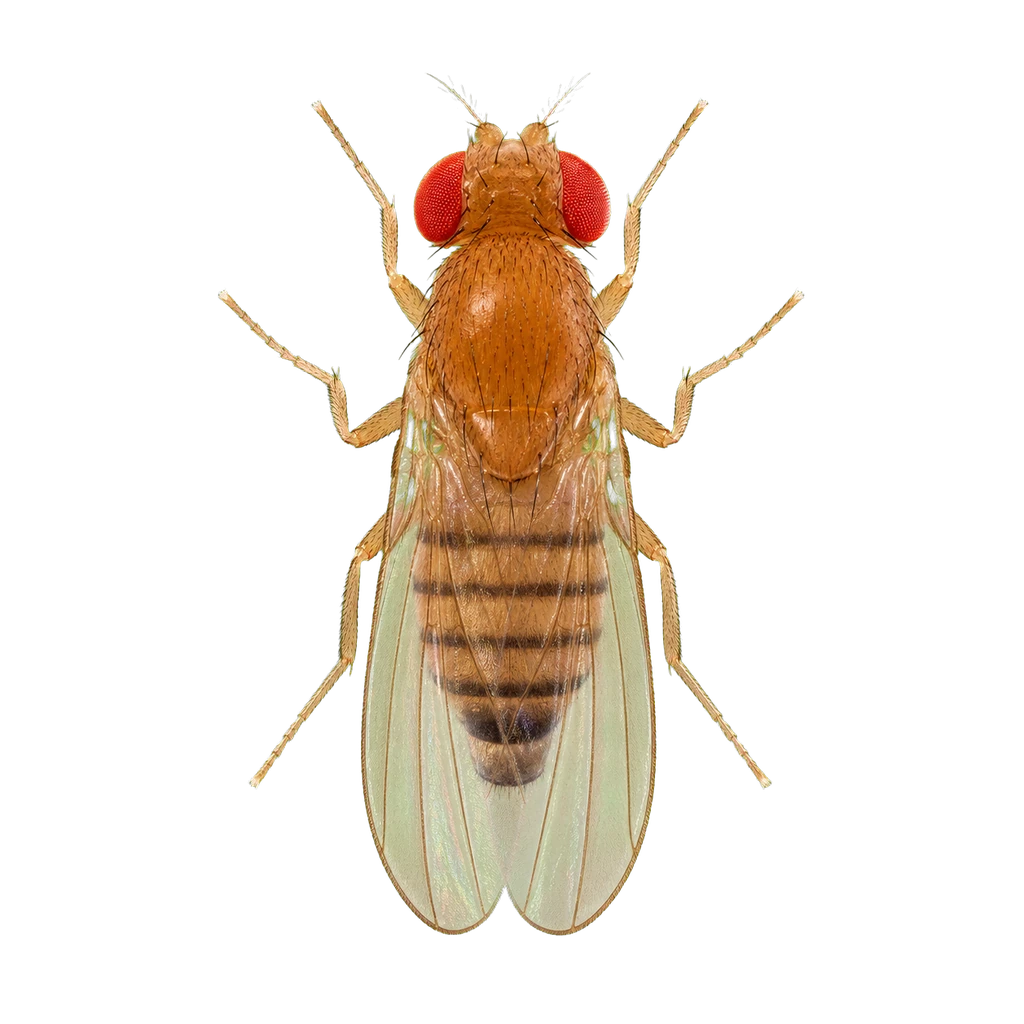
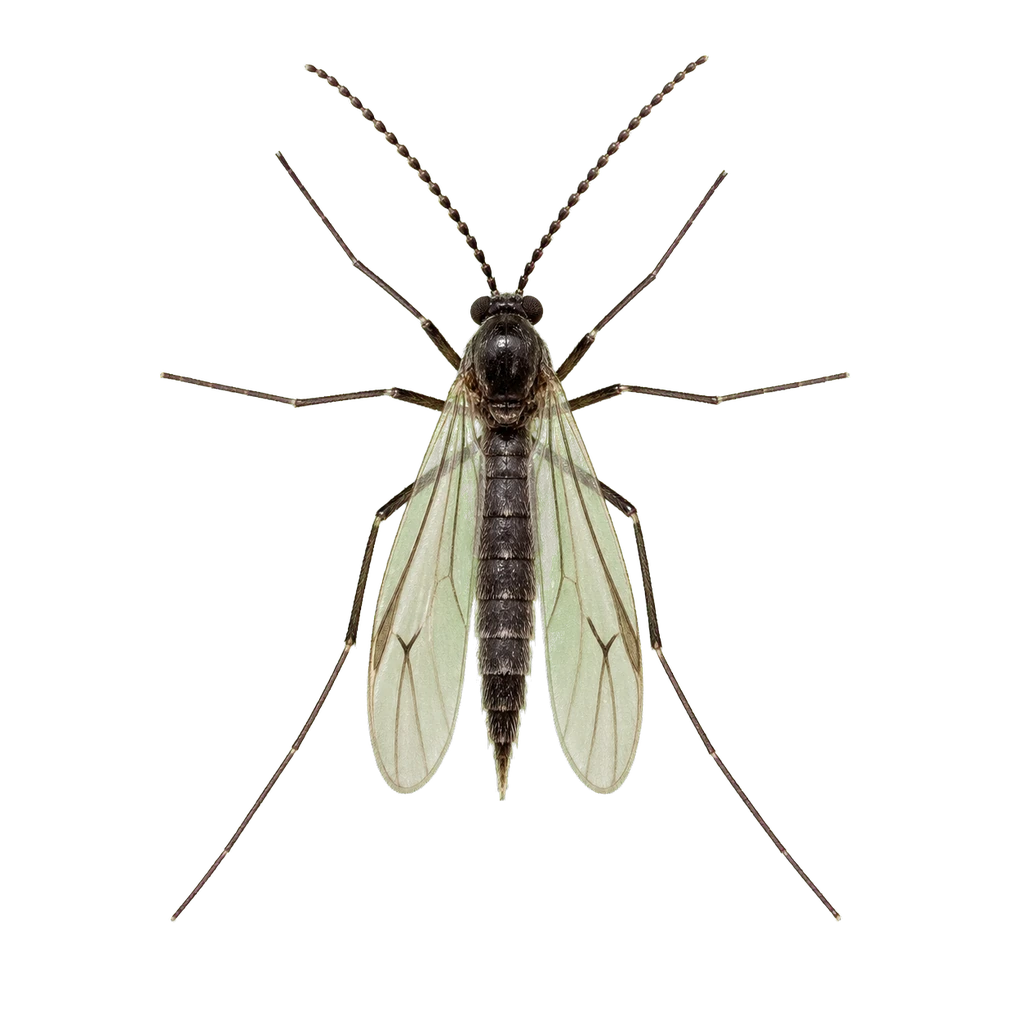
    Drain flies (moth flies) are tiny (about 1/8 inch), fuzzy, gray or tan flies with large, leaf-shaped wings held tent-like over their body, giving them a moth-like appearance that is easy to distinguish from fruit flies or fungus gnats. They are weak fliers that tend to rest on walls and ceilings near sinks, showers, and floor drains, making short, hopping flights when disturbed rather than sustained flight. If you see a moth-shaped fly resting on your bathroom wall near a drain, it is almost certainly a drain fly. Their larvae develop in the gelatinous biofilm that lines drains, garbage disposals, and sewage-contaminated soil beneath cracked slab foundations.
  • How do I find the specific drain where drain flies are breeding? Toggle answer for: How do I find the specific drain where drain flies are breeding?

    To identify which drain is the breeding source, cover suspected drains overnight with clear packing tape (sticky side down, leaving some gaps for airflow). Check the tape in the morning, any drain producing drain flies will have adults stuck to the underside of the tape. Common breeding sites beyond obvious drains include infrequently used floor drains (where the trap has dried out), rarely cleaned garbage disposals, condensate drain pans under refrigerators and HVAC units, and sump pump basins. In slab-on-grade construction, cracked drain lines beneath the slab can allow sewage-contaminated soil to breed drain flies that emerge through cracks in the floor.

  • Why do flies keep showing up in my home? Toggle answer for: Why do flies keep showing up in my home?

    Flies reproduce incredibly fast, asingle house fly can lay 500 eggs in her lifetime, and the cycle from egg to adult takes as little as 7 days. They're drawn to decaying organic matter, garbage, pet waste, and moist drains. If flies are persistent indoors, there's almost always a breeding source nearby: an overlooked trash bag, a dirty garbage disposal, a floor drain with organic buildup, or a dead animal in a wall void.

  • Are flies a health risk? Toggle answer for: Are flies a health risk?

    House flies are significant disease vectors. They land on garbage, animal waste, and decaying matter, then transfer pathogens to your food and surfaces. They carry E. Coli, salmonella, cholera, and over 100 other pathogens. Fruit flies and drain flies are less of a direct health risk but indicate sanitation issues that should be addressed. Any persistent fly presence warrants finding and eliminating the breeding source.

  • How quickly can a provider get to my home? Toggle answer for: How quickly can a provider get to my home?

    Most providers in our network can schedule an inspection within 24-48 hours. For urgent situations, likeactive structural damage or large colonies, same-week emergency service is often available. Response times depend on your location and the provider's current schedule.

  • What happens during the first visit? Toggle answer for: What happens during the first visit?

    Your provider inspects the property to identify the pest, locate nesting or entry points, and assess the scope of the problem. You get a clear explanation of what they found, what they recommend, and a written scope before any work begins.

  • Is treatment safe for kids and pets? Toggle answer for: Is treatment safe for kids and pets?

    Modern pest control products are designed to break down quickly after application and pose minimal risk to people and pets when applied correctly. Most providers ask you to keep kids and pets out of treated areas for 1 to 2 hours while the product dries, after which the area is generally safe again. Always confirm specific re-entry times with your provider, and let them know about pet birds, fish, or reptiles, since some treatments require extra precautions for those species.

Pest Control Pros serving the city of the state of your city and nearby areas

Local providers experienced with enzymatic biofilm treatment and sewer-line camera coordination are ready to inspect, treat, and follow up, no obligation.

Available 24/7
(888) 495-1510