Local pest control help is one call away.

Asian Lady Beetle: Identification, Treatment & Prevention

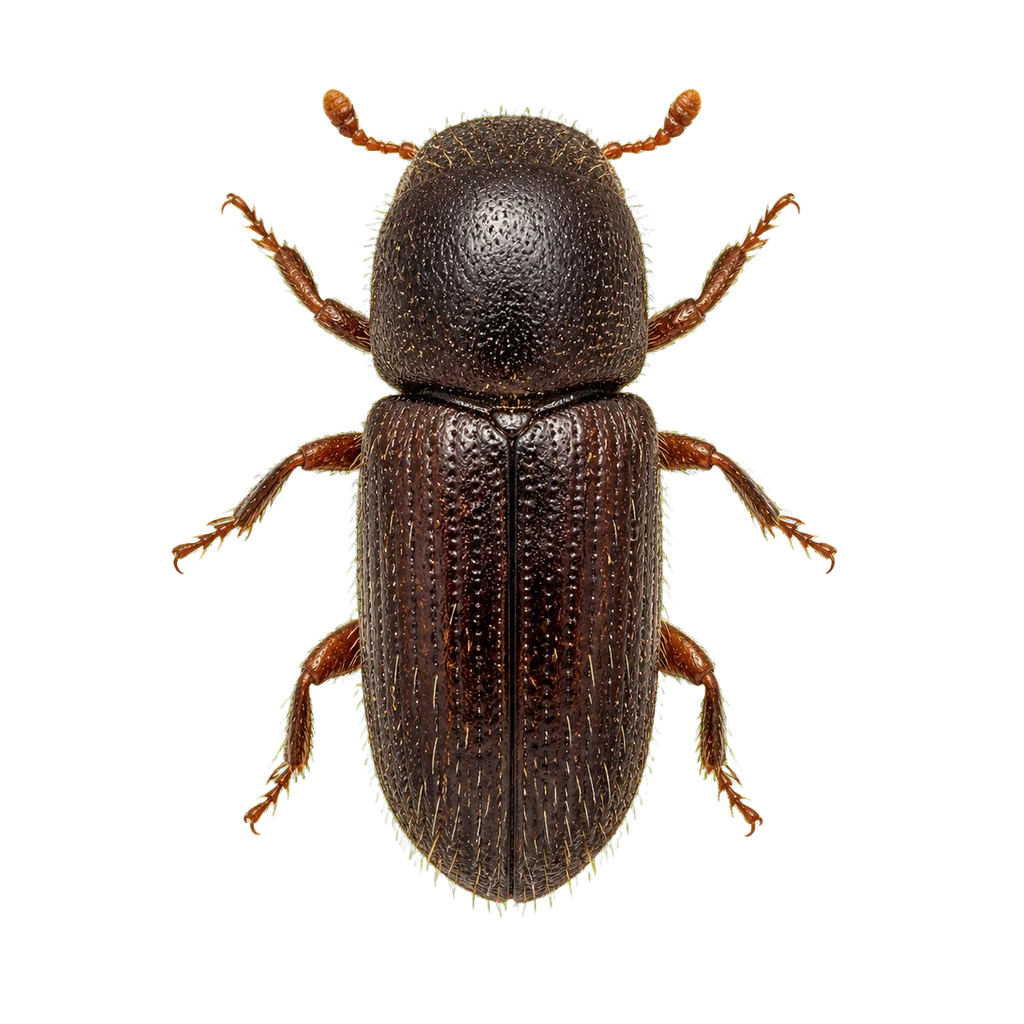
Multicolored Asian lady beetles (Harmonia axyridis) are 5 to 8 millimeter oval-domed beetles that come in wildly variable colors, orange, red, yellow, or near-black, with anywhere from zero to twenty-two black spots. The single feature that tells them apart from every native ladybug is the black M-shaped or W-shaped marking on the white pronotum behind the head. They were introduced from Asia between 1916 and the 1990s as biological control for aphids in agriculture, and the program worked, the beetles took hold across the entire continental US. The trouble is that adult Asian lady beetles overwinter inside human structures by the thousands, and once a house is identified as an aggregation site, the same house gets hit again every year.

If you're seeing dense clusters of orange-red beetles on south- or west-facing exterior walls in late September through November, finding hundreds inside on warm winter days, or noticing persistent yellow-orange stains on walls and drapes, you have multicolored Asian lady beetles. This guide covers identification, why fall invasion is fundamentally different from typical beetle activity, what professional treatment involves, and the timing that decides whether you have a quiet fall or tens of thousands of beetles in your attic.

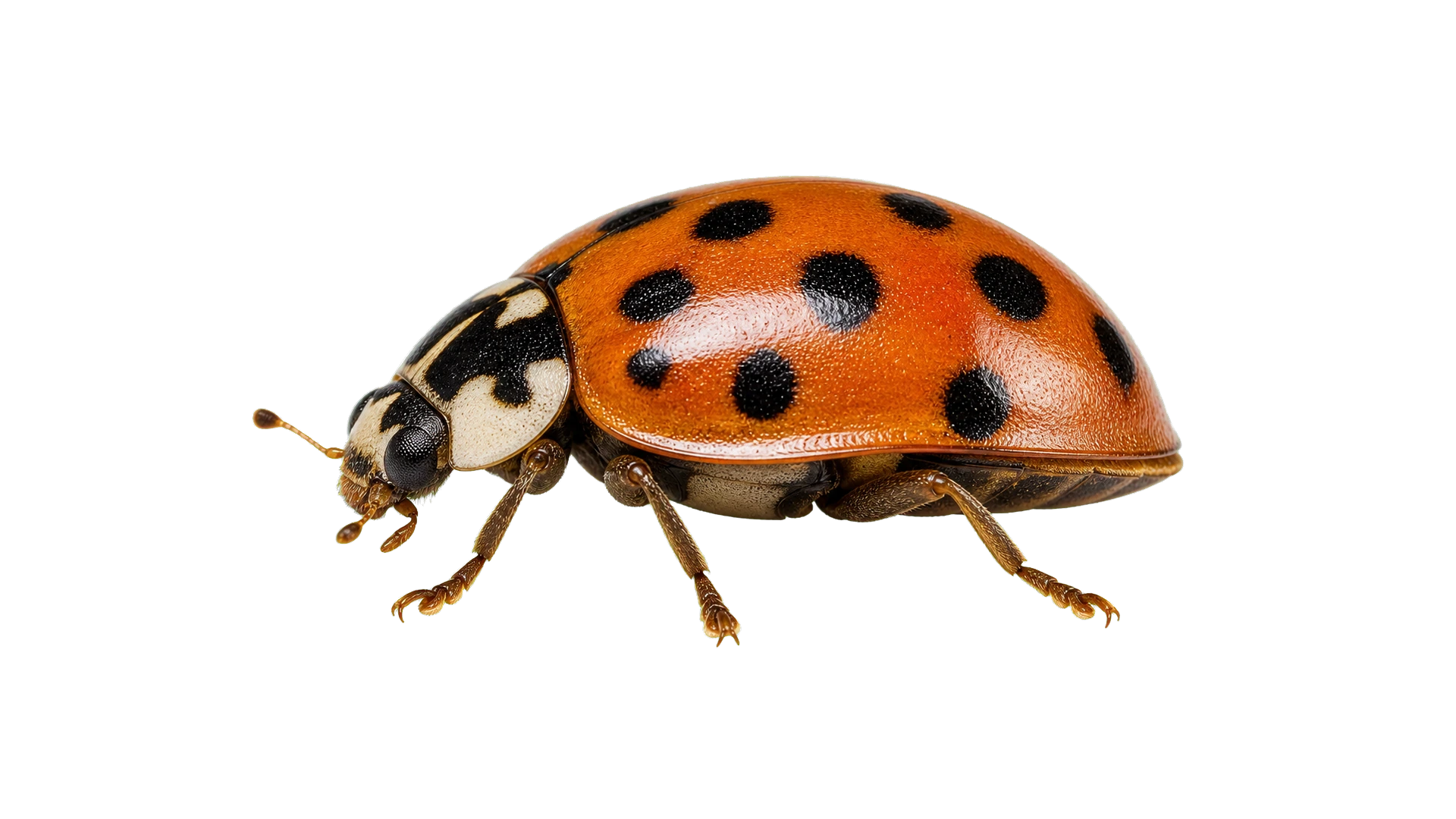
Close-up illustration of a multicolored Asian lady beetle showing the diagnostic M-shaped black marking on the white pronotum behind the head, the feature that distinguishes this invasive species from native ladybugs

ID Card: Asian Lady Beetle

Scientific name
Harmonia axyridis
Color
Orange, red
Size
1/4 to 3/8 inch
Body shape
Dome-shaped, oval body
Antennae
Short, clubbed, 11 segments
Key evidence
Clusters on sunny sides of buildings in fall, orange staining fluid when disturbed
Also known as
Ladybugs, Halloween beetles, Multicolored lady beetles

Related Species

Call to get matched with a local pest control pro.

Available 24/7
(888) 495-1510
  • Specialists trained on the September-October pre-invasion treatment window
  • Comprehensive sealing of the sub-millimeter entry points beetles actually use
  • Recurring annual program for homes already identified as chronic aggregation sites

Where to Inspect for Asian Lady Beetle Aggregations

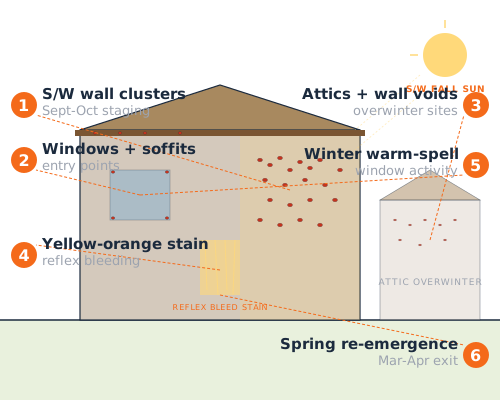
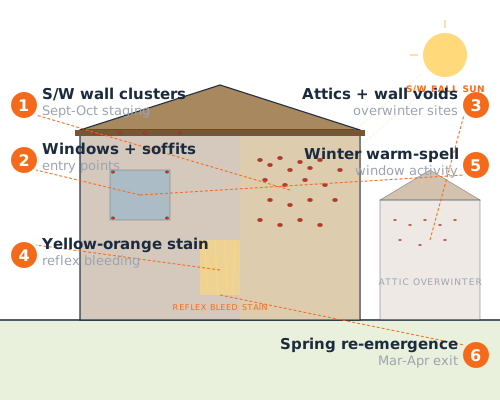
Cross-section illustration showing Asian lady beetle aggregation pattern, dense clusters on south-facing walls in fall, entry through window frames and gable vents, and indoor overwintering in attics and wall voids

Asian lady beetle activity is concentrated in narrow seasonal windows and predictable wall exposures. Most homeowners only notice the problem once beetles are already indoors in October, but the visible pre-invasion staging on exterior walls in September is the moment treatment actually works. Walk these zones with a flashlight in late afternoon when the beetles are most visible:

  • South- and west-facing exterior walls in late September through November, The pre-invasion staging zone. Look for dense clusters of orange-red beetles on warm, sun-exposed walls, especially light-colored siding and dark trim contrasts. This is when treatment is most effective.
  • Around windows and door frames, The primary entry crack zones during invasion. Inspect weather seals, sash gaps, and threshold joints. Beetles use openings as small as 1 millimeter.
  • Attic louvre vents and gable vents, A major overlooked entry route. Standard insect screening doesn't stop beetles, fine mesh is required. Once beetles are in the attic, they're in for the winter.
  • Under siding gaps and behind shutters, Sheltered, sun-warmed pockets where beetles stage and find their way into the wall system. Pull shutters away from the siding and check the cavity behind them.
  • Inside light fixtures and ceiling fixtures on warm winter days, Beetles overwintering in wall voids emerge into living spaces when winter sun warms a south-facing wall. Light fixtures and window frames are where they reappear.
  • Wine cellars and agricultural buildings near grape production, In wine country, Asian lady beetles in pressed grapes ruin entire vintages through a bitter contaminant called 'ladybug taint.' Even small numbers in the harvest cost $1 million or more per affected vintage.

The most important Asian lady beetle fact homeowners miss: once a house aggregates one fall, scent marks from those beetles attract more beetles to the exact same walls every year afterward. This isn't a one-time problem you can ride out, it compounds annually until the house is treated proactively. Pre-fall exterior treatment plus comprehensive entry sealing in September is the only intervention that actually reduces invasion. Indoor knockdown after beetles are already in wall voids and attic insulation has very limited effect because there's no way to reach them where they overwinter.

Cross-section illustration showing Asian lady beetle aggregation pattern, dense clusters on south-facing walls in fall, entry through window frames and gable vents, and indoor overwintering in attics and wall voids
Illustration showing how Asian lady beetles enter homes during fall aggregation, through window frames, attic vents, soffit gaps, and siding seams driven by scent marks from previous-year aggregations

Why Do I Have Asian Lady Beetles?

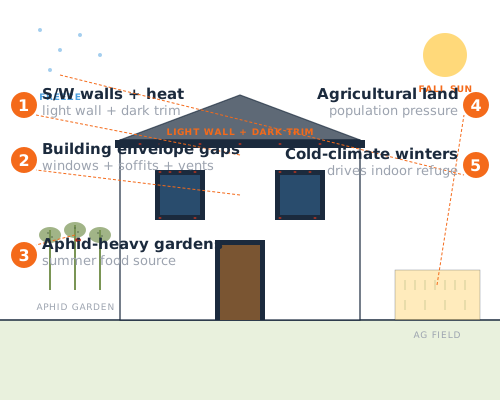
Spotting the M-marking is step one. Understanding why your specific house was selected explains why some homes get hit hard every fall while neighbors a few hundred feet away barely notice. Asian lady beetles aren't randomly choosing structures, they pick aggregation sites by a specific combination of features, and once a house qualifies, it qualifies every year. Pheromone scent marks left by previous-year aggregations make returning to the same walls automatic.

What anchors Asian lady beetles to your property:

  • South- or west-facing walls that warm in fall sunlight, the heat signature beetles use to identify staging sites, especially light-colored siding with dark trim contrasts
  • Soybean fields, grape production, or aphid-heavy agriculture within a mile of the home, the summer feeding zones that build the local population pressuring your house each fall
  • Mature trees adjacent to the structure, daytime resting sites that workers use as staging platforms before moving to warm exterior walls
  • Multiple small gaps in the building envelope (under 1 millimeter), windows, door frames, attic vents, soffit joints, and siding seams that beetles are remarkably good at finding
  • Previous-year aggregation site, scent marks from earlier overwintering attempts attract beetles back to the same walls year after year, making chronic homes magnetic for the entire regional population

Asian lady beetles don't reproduce indoors and don't feed on the structure or its contents. They're using the house as a winter shelter, nothing more. But the scent-marking behavior means the problem becomes self-reinforcing: the more beetles that aggregate at a house one fall, the stronger the chemical signal pulling next year's beetles to the same spots. A home that gets a thousand beetles this year often gets several thousand the next year, and the year after that. Breaking the cycle requires treating the exterior before fall arrival and sealing the entries that gave beetles access in the first place, otherwise the population just keeps growing.

How Serious Is Your Asian Lady Beetle Problem?

Find your scenario below. Severity depends mostly on the size of the fall aggregation and whether sensitive household members are affected by allergens or staining.

What You're Seeing Severity If Untreated Next Step
A few Asian lady beetles on an exterior wall in early fall, no indoor activity yet Early Scent-marking will attract larger aggregations next fall; population builds annually Confirm species by the M-shaped marking on the pronotum. Schedule pre-fall pro perimeter treatment plus entry sealing in September.
Dozens on an exterior wall in September, some beetles getting indoors Moderate Aggregation will grow to hundreds within weeks; indoor population will become noticeable through winter and visible in spring Schedule a professional this week. Exterior residual plus comprehensive entry sealing before the October invasion window closes.
Hundreds to thousands aggregating on walls, indoor swarms, household member with asthma High Indoor allergen exposure compounds across winter; reflex-bleeding stains accumulate on walls and fabric; pet exposure risk rises Call this week. Comprehensive vacuum-based removal, exterior treatment, and a recurring service contract for chronic-aggregation properties.
Tens of thousands of beetles, wine cellar contamination, or severe asthma response in a household member Urgent Crop or wine batch contamination, medical risk to sensitive household members, structural staining damage progressing Call today. Emergency commercial-grade treatment, plus medical consultation if respiratory symptoms have developed.
A few Asian lady beetles on an exterior wall in early fall, no indoor activity yet
Severity Early
If Untreated Scent-marking will attract larger aggregations next fall; population builds annually
Next Step Confirm species by the M-shaped marking on the pronotum. Schedule pre-fall pro perimeter treatment plus entry sealing in September.
Dozens on an exterior wall in September, some beetles getting indoors
Severity Moderate
If Untreated Aggregation will grow to hundreds within weeks; indoor population will become noticeable through winter and visible in spring
Next Step Schedule a professional this week. Exterior residual plus comprehensive entry sealing before the October invasion window closes.
Hundreds to thousands aggregating on walls, indoor swarms, household member with asthma
Severity High
If Untreated Indoor allergen exposure compounds across winter; reflex-bleeding stains accumulate on walls and fabric; pet exposure risk rises
Next Step Call this week. Comprehensive vacuum-based removal, exterior treatment, and a recurring service contract for chronic-aggregation properties.
Tens of thousands of beetles, wine cellar contamination, or severe asthma response in a household member
Severity Urgent
If Untreated Crop or wine batch contamination, medical risk to sensitive household members, structural staining damage progressing
Next Step Call today. Emergency commercial-grade treatment, plus medical consultation if respiratory symptoms have developed.

Asian lady beetle invasion timing is unforgiving, the actionable window is September through early October. If you're between two rows, treat the higher one as your situation.

How Asian Lady Beetles Develop

Asian lady beetles run 1 to 2 generations per year across most of the US, with 2 to 3 generations possible in the warm South. Adults overwinter and emerge in spring, so the same beetles you see in your attic in March are the ones that will lay this year's eggs in nearby fields. Knowing the calendar is what makes timing decisions possible.

  1. Egg

    About 3 to 5 days

    Females lay clusters of yellow oval eggs on the undersides of leaves close to aphid colonies in agricultural fields and gardens. Each female produces hundreds of eggs across the active season, and the clusters are easy to spot if you flip aphid-infested leaves in early summer.

  2. Larva

    About 12 to 14 days through 4 instar stages

    Larvae are alligator-shaped, spiny, and dark with bright orange markings, they look nothing like the round spotted adults. The larval stage is the genuinely beneficial part of the life cycle: each larva eats hundreds of aphids, which is the entire reason the species was introduced for biocontrol. Don't kill larvae on garden plants.

  3. Pupa

    About 5 to 7 days

    Larvae attach to leaves and pupate exposed on the leaf surface. The new adult emerges with a soft yellow exoskeleton that hardens into the variable spotted pattern within hours. Color and spot count are largely set at this stage and don't change later.

  4. Adult

    Adults live 1 to 3 years including overwintering

    Summer adults continue feeding on aphids and lay eggs across 1 to 2 generations per year (2 to 3 in the South). By late August adults begin staging on warm walls in preparation for fall invasion, drawn to scent marks left by previous-year aggregations. Overwintering adults survive in attics and wall voids, emerging in spring to disperse back to fields and reproduce.

The biocontrol value of the larval stage on agricultural aphids is significant, USDA still considers Asian lady beetles a net positive for soybean and crop protection. But the adult overwintering behavior creates the homeowner problem, and that's the half of the life cycle that pest control addresses. Native ladybug species like the nine-spotted, transverse, and two-spotted have shown documented declines wherever Asian lady beetles have become established, which is a separate conservation concern with no quick fix.

When Asian Lady Beetles Are Most Active

Asian lady beetle activity follows one of the sharpest seasonal patterns in residential pest control. The fall invasion window is brief and unforgiving, and every quarter of the year has a different right response.

  • Spring

    Overwintered adults emerge from wall voids, attics, and indoor hiding spots in March and April. They head to windows trying to exit and disperse to nearby fields and gardens to mate and lay eggs. Spring indoor sightings often peak here, these aren't new beetles arriving, they're the same crew from last fall trying to leave.

  • Summer

    Outdoor larval and adult feeding on aphids in soybean fields, gardens, and ornamentals. The local population grows steadily across the summer through 1 to 2 generations. Summer is the planning window for fall treatment, scheduling the September service and inspecting entry points, not the action window for product application.

  • Fall

    Late August through November is when everything happens. Beetles stage on south- and west-facing walls in dense clusters, scent-mark from previous years pull beetles back to the same houses, and entry into wall voids and attics peaks across October. Exterior treatment in late August or early September catches beetles at staging, before invasion. By mid-October the window has effectively closed and most damage is already done.

  • Winter

    Adults overwinter in wall voids, attics, behind insulation, and in unused upper rooms. Warm winter days (especially in February) trigger emergence into living spaces, beetles fly to windows and lights trying to escape, and disturbed beetles release reflex-bleeding stains. Indoor knockdown via vacuum handles visible beetles, but most of the population stays inaccessible until spring dispersal.

Why Asian Lady Beetles Need Professional Help

Asian lady beetle invasion is one of the most timing-dependent residential pest problems. The visible problem (hundreds or thousands of beetles indoors) shows up in October and November, but the moment when treatment actually works is six to eight weeks earlier, in late August through early September. By the time most homeowners notice the indoor invasion, the actionable window is already closed and the beetles are settled into wall voids and attic insulation where treatment can't physically reach them. The next real opportunity is the following August, almost a full year away.

DIY mistakes follow a predictable pattern. Homeowner notices beetles indoors in October, buys household sprays, kills the visible ones, and watches new beetles continue arriving daily from outside. Indoor sprays don't reach wall voids and have limited effect on already-aggregated populations. Worse, crushing beetles releases the yellow-orange reflex-bleeding secretion that permanently stains walls, fabric, drapes, and wallpaper. The cleanup ends up costing more than the original problem. And the underlying scent-marking means next year's invasion will be at least as bad.

A specialist who handles Asian lady beetles starts every call with a calendar conversation. If it's August or early September, exterior treatment plus entry sealing happens now and the year is saved. If it's October or later, the conversation shifts to indoor vacuum-based removal, damage control on staining, and a scheduled appointment for the following August. Honest specialists explain this timing constraint rather than overpromising mid-fall results that aren't physically achievable, no product can reach beetles already inside the wall system.

Long-term success in chronic-aggregation homes requires recurring annual treatment. Asian lady beetle population pressure doesn't go away, the species is established across the entire continental US and isn't going to be eradicated. The realistic choice is between annual mass invasion or a yearly $200 to $500 pre-fall treatment plus monthly recurring service in the heaviest-pressure homes. Homes that commit to the annual schedule see indoor beetle counts drop by 80 to 95 percent within a single year and stay low thereafter.

What Changes When a Pro Shows Up

Asian lady beetle work is calendar work, the right treatment in late August or early September is dramatically more effective than the same treatment in November. A specialist organizes the entire program around the brief pre-invasion window and the entry points beetles actually use. Here's what changes:

Pest control technicians after completing an Asian lady beetle pre-fall perimeter treatment and entry-sealing service
  • Local Pest Control
  • 24/7 Availability
  • Quality Workmanship
  • Eco‑Friendly Options
  • Trusted by Homeowners
  • Pre-Invasion Exterior Perimeter Treatment

    Extended-residual product applied to south- and west-facing walls in September or early October, before fall aggregation begins. Beetles landing on treated surfaces during staging die before they can enter the structure. Timing is everything, late application has dramatically lower effectiveness.

  • Comprehensive Entry-Point Inventory and Sealing

    Caulking, weatherstripping, fine-mesh attic vent screening, soffit closure, and shutter-back inspection. Asian lady beetles use openings as small as 1 millimeter, so a thorough seal requires hours of work, not a quick walk-around.

  • Vacuum-Based Indoor Removal

    When invasion is already underway, vacuuming is the only safe indoor response. Crushing beetles releases the yellow-orange reflex-bleeding secretion that stains walls, fabric, and drapes permanently. The pro brings a vacuum that captures without crushing and disposes outside the structure.

  • Recurring Annual Program for Chronic Sites

    Homes with previous aggregations attract beetles again every fall via scent-marking. One-time treatment doesn't break the cycle. Recurring service in late August or early September each year is what converts a chronic invasion property into a quiet one. Plan on $50 to $120 per month for chronic homes during the exposure season.

  • Local Pest Control
  • 24/7 Availability
  • Quality Workmanship
  • Eco‑Friendly Options
  • Trusted by Homeowners
NoToPests home

One call connects you with a local specialist who knows asian lady beetles and your area.

Be Ready When You Call

Pest control technician arriving for an Asian lady beetle pre-fall exterior treatment and entry sealing
Junho L.
Daisuke P.
Kirk Q.
Marion K.

Trusted by homeowners nationwide

Call for Pest Control Help (888) 495-1510

Can You Handle This or Do You Need Help?

DIY for Asian lady beetles is real for identification, sealing, and vacuum removal, but the meaningful pre-fall exterior treatment requires professional product residual and timing. The honest decision is whether your house is a chronic-aggregation site, if so, an annual recurring program is worth the cost.

What DIY Can Do

Identification, exclusion, and vacuum removal are real DIY contributions. Exterior treatment with hardware-store products usually fails because the residual doesn't hold across the full staging window:

  • Confirm species by the M-shaped or W-shaped marking on the white pronotum, this is the only reliable field ID against native ladybugs
  • Vacuum visible indoor beetles without crushing (crushing releases the yellow-orange staining secretion), dispose of vacuum contents in outdoor trash same day
  • Seal visible exterior cracks around windows, doors, and soffits with caulk and replace deteriorated weatherstripping during winter or early summer
  • Replace standard attic louvre vent screening with fine mesh, standard mesh doesn't stop Asian lady beetles
  • What DIY cannot reliably do: apply extended-residual exterior treatment that lasts the full September-October staging window, or break the scent-mark cycle in chronic-aggregation homes.

What a Pro Does Differently

A pro brings the product residual, timing, and entry-point inventory that holds across the entire fall invasion window, plus the recurring program that breaks scent-mark cycles in chronic homes:

  • Pre-fall exterior treatment in late August or early September with extended-residual product covering south- and west-facing walls
  • Comprehensive entry-point inventory and sealing that catches sub-millimeter gaps DIY commonly misses
  • Vacuum-based indoor removal for active invasions, capturing beetles without crushing or releasing reflex-bleeding stains
  • Recurring annual program for chronic-aggregation sites at $50 to $120 per month during exposure season, the only intervention that breaks the scent-marking cycle
  • Honest calendar conversations, distinguishing 'treat now and save the year' from 'plan for next August because the window has closed.'

Suspect Asian Lady Beetles? Don't Wait.

Asian lady beetle invasion timing is brief and unforgiving, missing the September window costs an entire year of indoor sightings, staining, and allergen exposure. Connect with a local specialist who can plan pre-fall exterior treatment, entry sealing, and the recurring annual program that holds indoor counts near zero.

Available 24/7
(888) 495-1510

What Homeowners Say After Getting Help

Real results from people who had the same problem and solved it.

Kimberly I.
Kimberly I.
Kodiak, AK

"Stored clothing saved from carpet beetles."

We found holes in stored wool sweaters and discovered carpet beetles in the closet. The tech treated the closets and storage areas and explained how to store clothes to prevent reinfestation. The targeted approach worked perfectly.

Kimberly I.
Kimberly I.
Kodiak, AK

"Stored clothing saved from carpet beetles."

We found holes in stored wool sweaters and discovered carpet beetles in the closet. The tech treated the closets and storage areas and explained how to store clothes to prevent reinfestation. The targeted approach worked perfectly.

Veda J.
Veda J.
Indianapolis, IN

"Fumigation cleared stored product pests from our pantry and walls."

Indian meal moths and beetles had infested our pantry and spread into the wall cavities behind the kitchen. Standard treatments were not reaching the source. The provider recommended fumigation to eliminate larvae and adults in every hidden space. We cleared the home, the crew tented and treated, and clearance testing confirmed a complete knockdown.

Natalie Y.
Natalie Y.
Wichita, KS

"Fumigation eliminated carpet beetles throughout."

Carpet beetles had infested our wool rugs, closets, and even the HVAC ducts. Multiple targeted treatments only knocked them back temporarily. The provider recommended structural fumigation to reach larvae hiding in wall voids and ductwork. We followed the preparation checklist, cleared the home, and the crew handled the tenting and gas treatment. Clearance testing confirmed success and our belongings have been damage-free since.

Common Questions About Asian Lady Beetles

Direct answers to what homeowners ask most about the M-shaped ID against native ladybugs, fall invasion timing, yellow-orange staining, asthma and pet safety, and the recurring annual program that actually works.

  • How can I tell Asian lady beetles apart from native ladybugs? Toggle answer for: How can I tell Asian lady beetles apart from native ladybugs?

    Asian lady beetles (Harmonia axyridis) are distinguished from native ladybugs by a prominent M- or W-shaped black marking on the white area behind their head (the pronotum). Their coloration is highly variable, ranging from pale orange to deep red, with anywhere from zero to nineteen spots, while most native species have more consistent patterns. Asian lady beetles also tend to be slightly larger (about 1/4 inch), and they are the species responsible for fall home invasions, an aggregating behavior that native ladybugs do not exhibit.

  • Why do Asian lady beetles bite and leave stains when native ladybugs don't? Toggle answer for: Why do Asian lady beetles bite and leave stains when native ladybugs don't?

    Asian lady beetles have larger, stronger mandibles than most native species and can deliver a noticeable pinch or nip on exposed skin, particularly on warm days when they are active indoors. They also produce a defensive secretion called reflex bleeding, ayellow-orange, foul-smelling hemolymph released from their leg joints when stressed, that stains walls, curtains, and clothing. Native ladybugs produce this same secretion outdoors but rarely enter homes in numbers large enough to cause noticeable staining. Vacuuming Asian lady beetles promptly and disposing of the bag is preferable to crushing them, which triggers the staining secretion.

  • Why do beetles keep appearing inside my home? Toggle answer for: Why do beetles keep appearing inside my home?

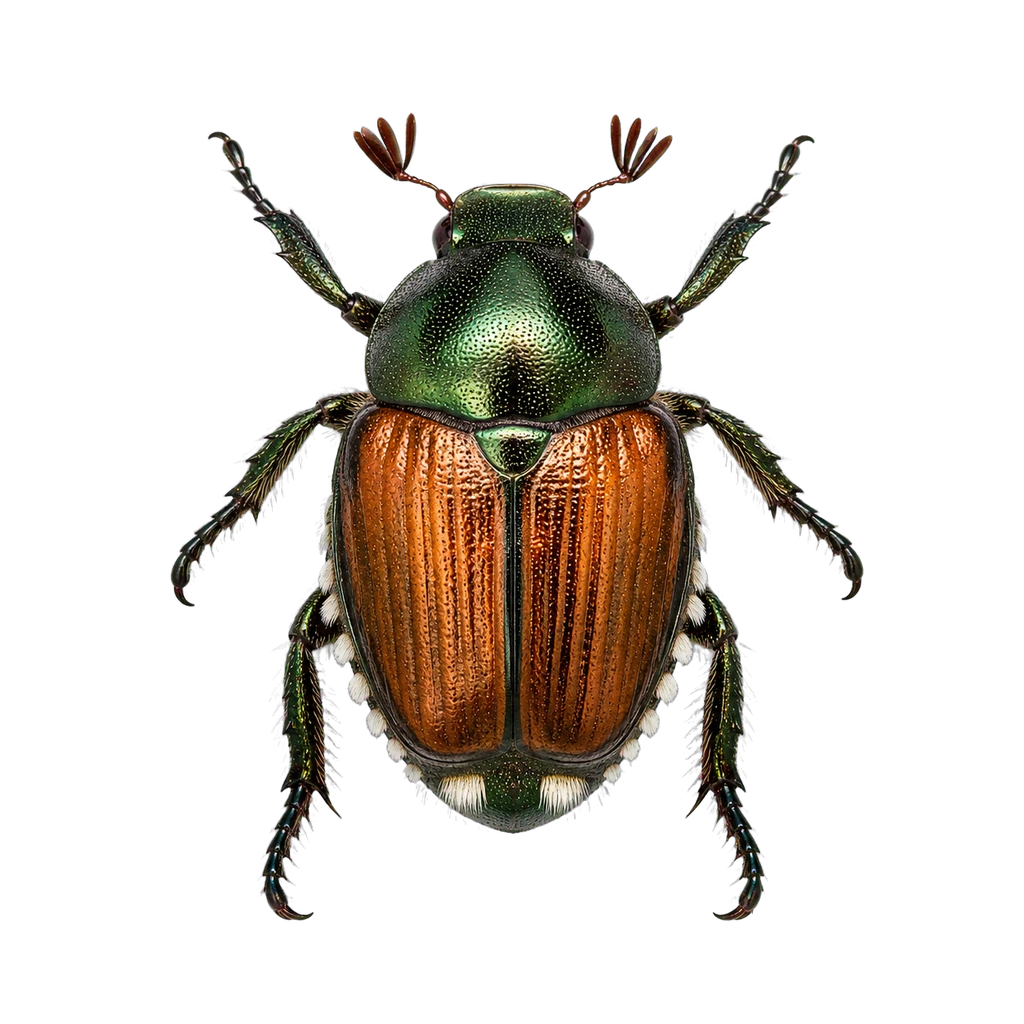
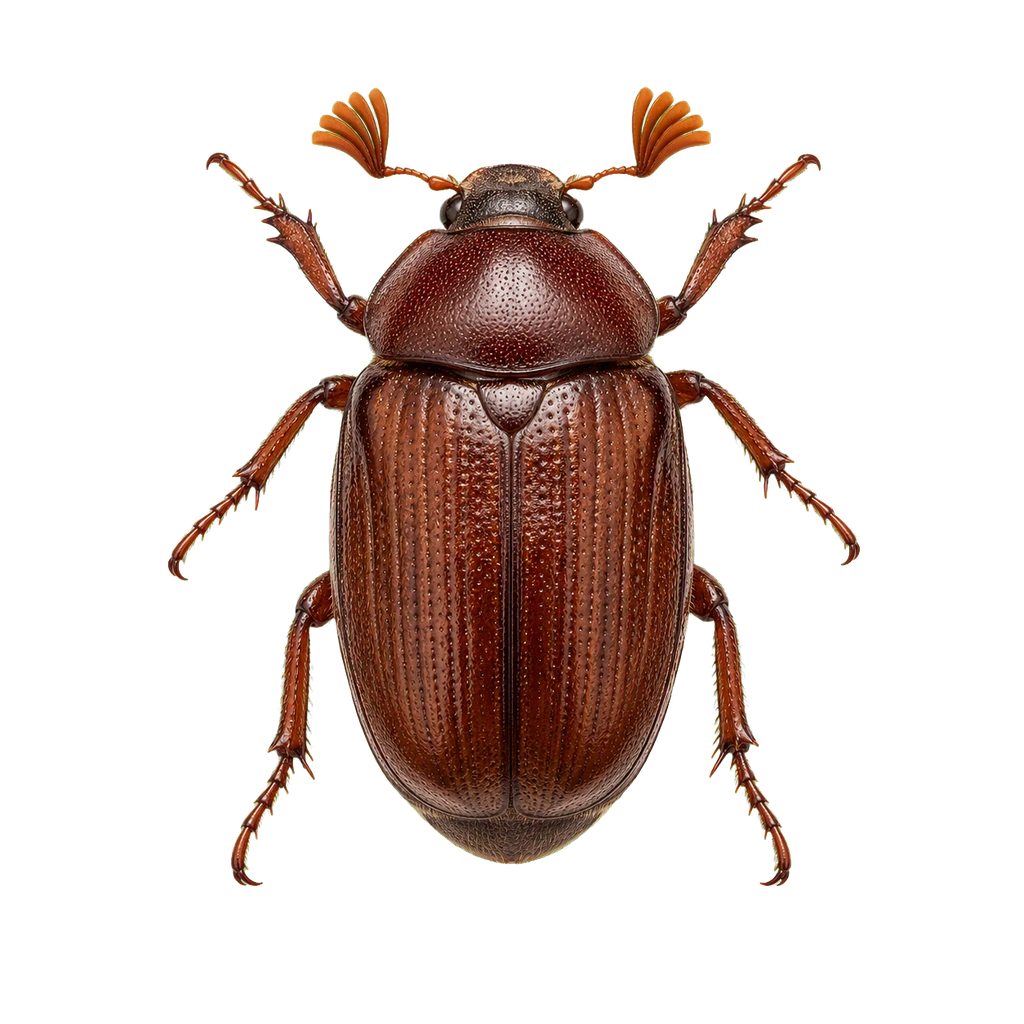
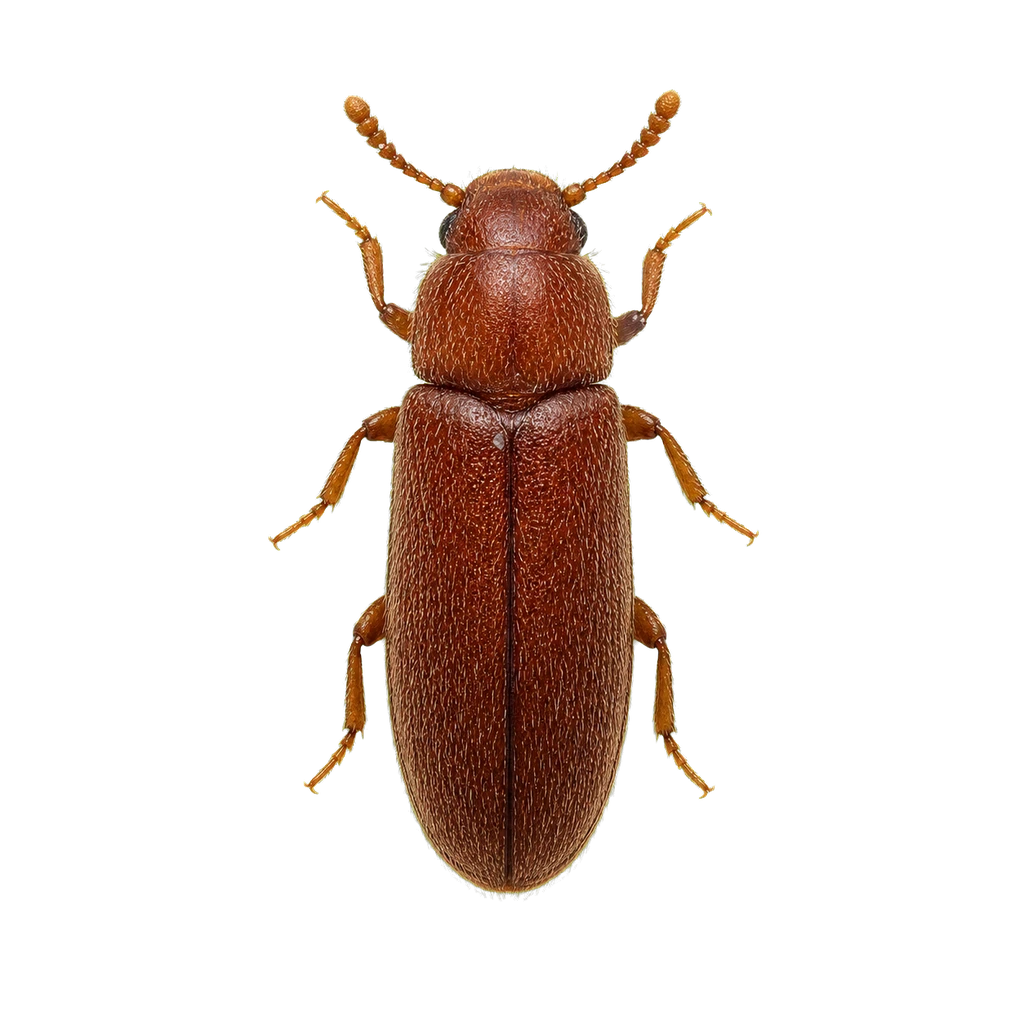
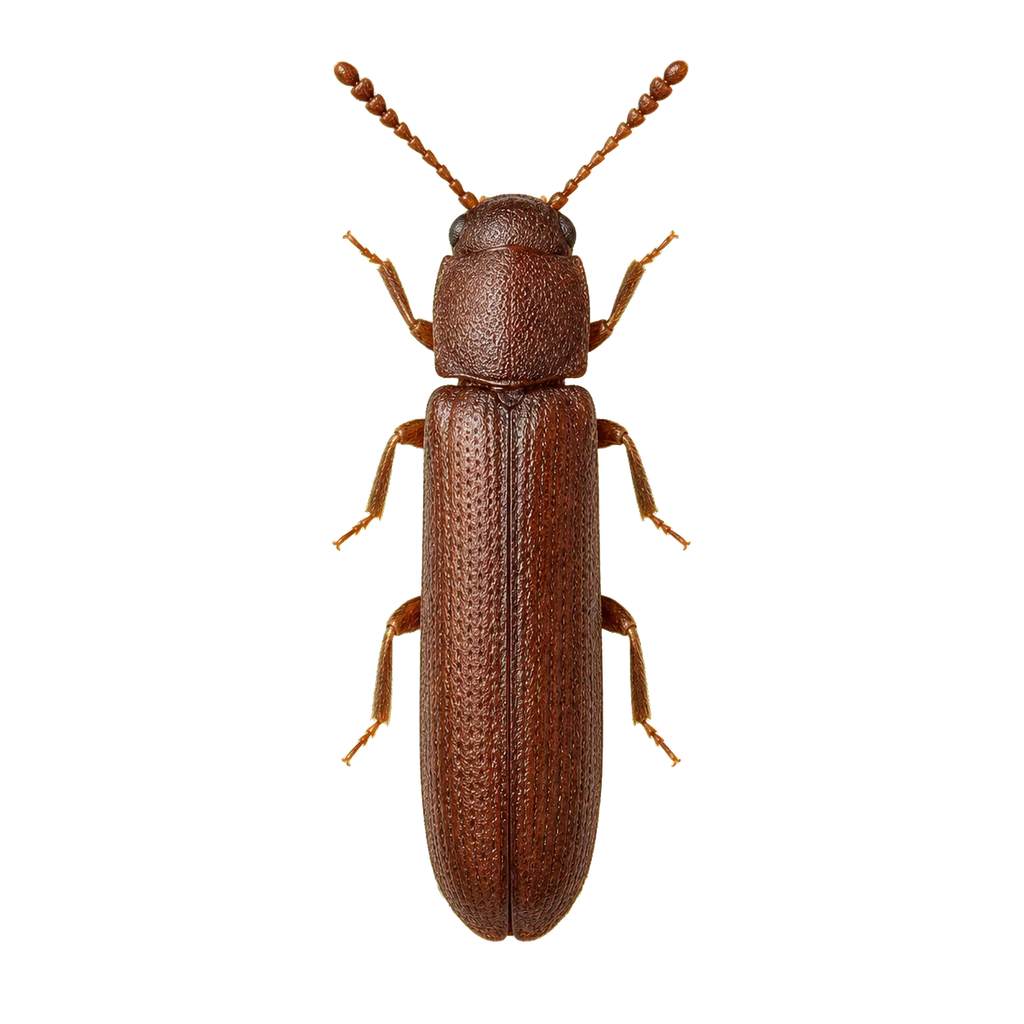
    Beetles are the largest order of insects, and different species enter homes for different reasons. Carpet beetles feed on natural fibers, pet hair, and dead insects indoors. Powderpost beetles infest hardwood floors and furniture. Pantry beetles (drugstore and cigarette beetles) target stored food. Asian lady beetles and boxelder beetles invade in fall to overwinter. Identifying the species is the first step to solving the problem.

  • Are beetles harmful to my home? Toggle answer for: Are beetles harmful to my home?

    It depends on the species. Powderpost beetles can cause serious structural damage by boring into hardwood, leaving behind small round exit holes and fine powdery frass. Carpet beetles destroy wool rugs, clothing, and upholstery. Pantry beetles contaminate stored food. Other species like ladybugs and ground beetles are nuisance invaders that don't cause damage but are unpleasant in large numbers.

  • How quickly can a provider get to my home? Toggle answer for: How quickly can a provider get to my home?

    Most providers in our network can schedule an inspection within 24-48 hours. For urgent situations, likeactive structural damage or large colonies, same-week emergency service is often available. Response times depend on your location and the provider's current schedule.

  • What happens during the first visit? Toggle answer for: What happens during the first visit?

    Your provider inspects the property to identify the pest, locate nesting or entry points, and assess the scope of the problem. You get a clear explanation of what they found, what they recommend, and a written scope before any work begins.

  • Is treatment safe for kids and pets? Toggle answer for: Is treatment safe for kids and pets?

    Modern pest control products are designed to break down quickly after application and pose minimal risk to people and pets when applied correctly. Most providers ask you to keep kids and pets out of treated areas for 1 to 2 hours while the product dries, after which the area is generally safe again. Always confirm specific re-entry times with your provider, and let them know about pet birds, fish, or reptiles, since some treatments require extra precautions for those species.

Pest Control Pros serving the city of the state of your city and nearby areas

Local providers experienced with pre-fall Asian lady beetle treatment, entry-point sealing, and recurring annual programs for chronic-aggregation homes are ready to inspect, plan, and follow up, no obligation.

Available 24/7
(888) 495-1510