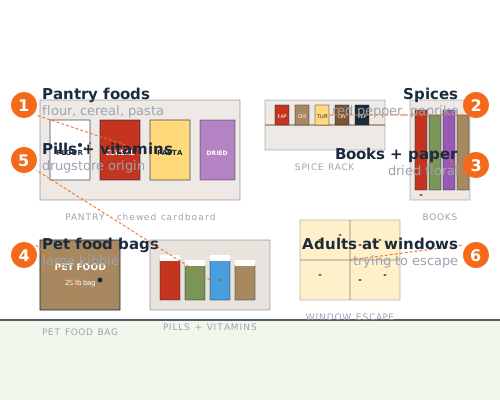
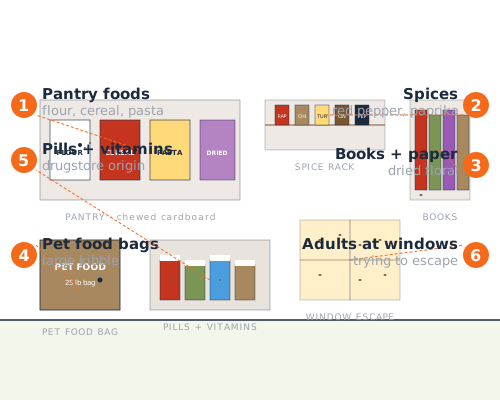
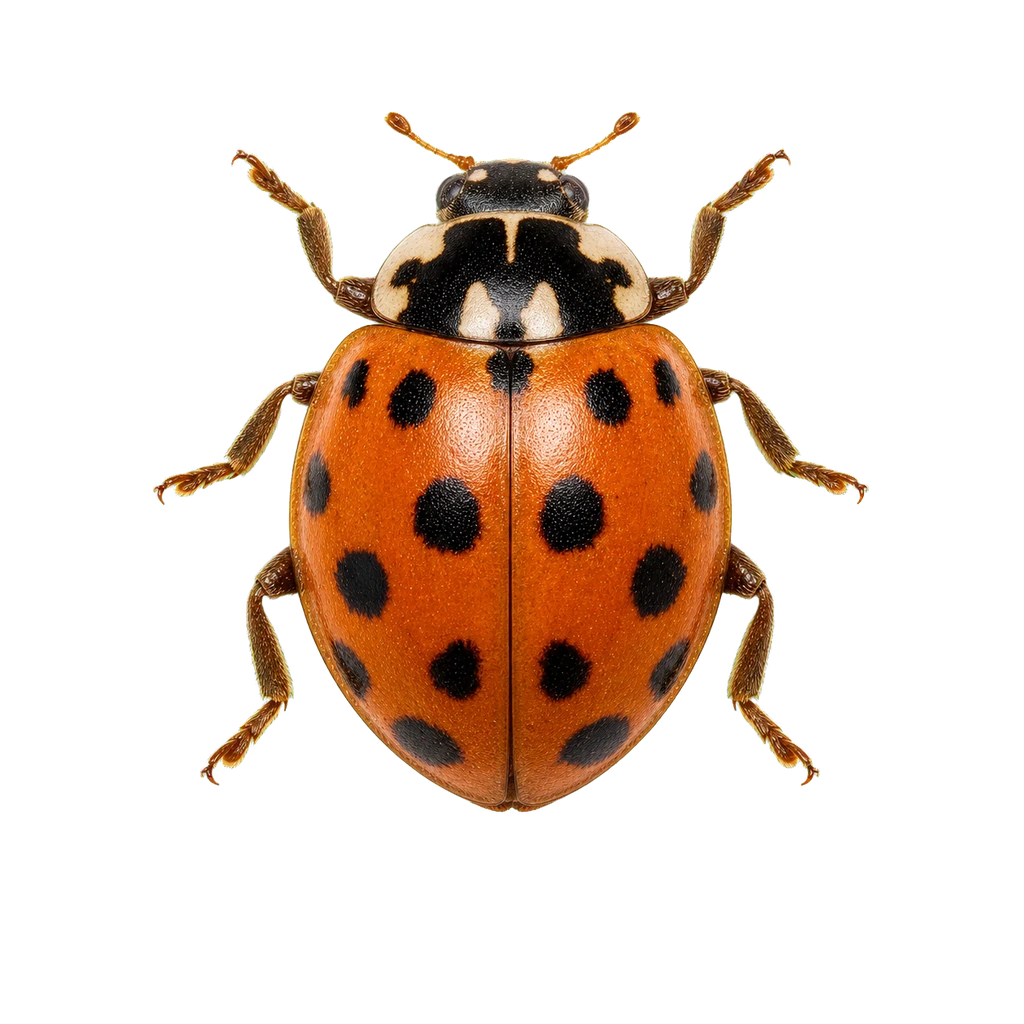
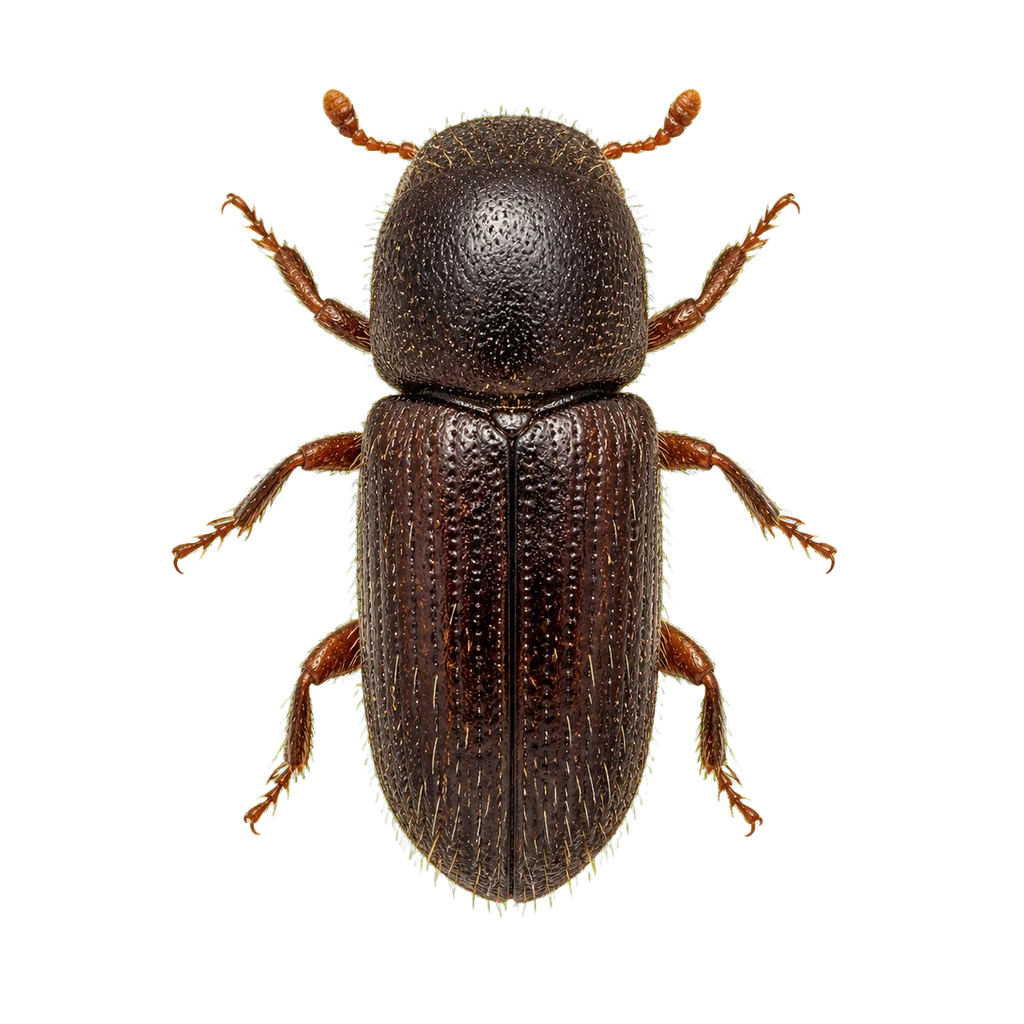
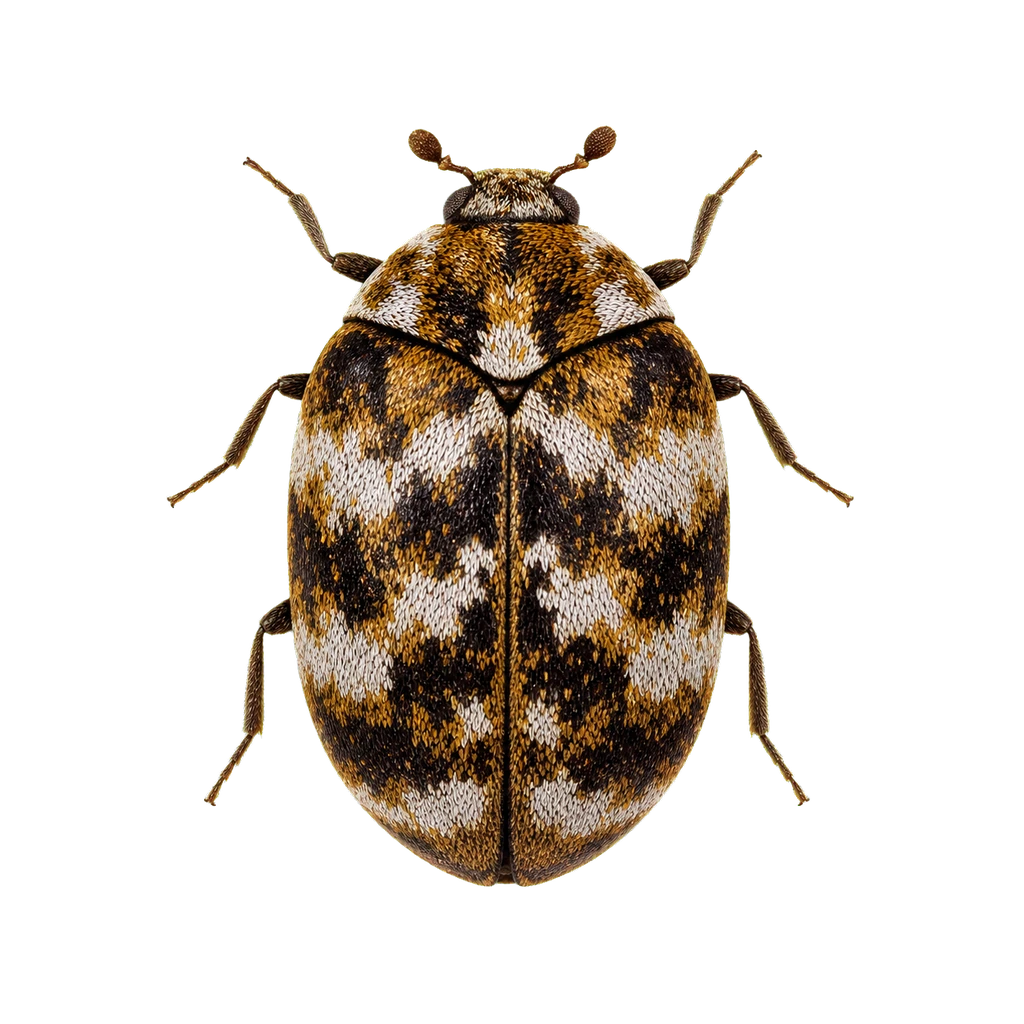
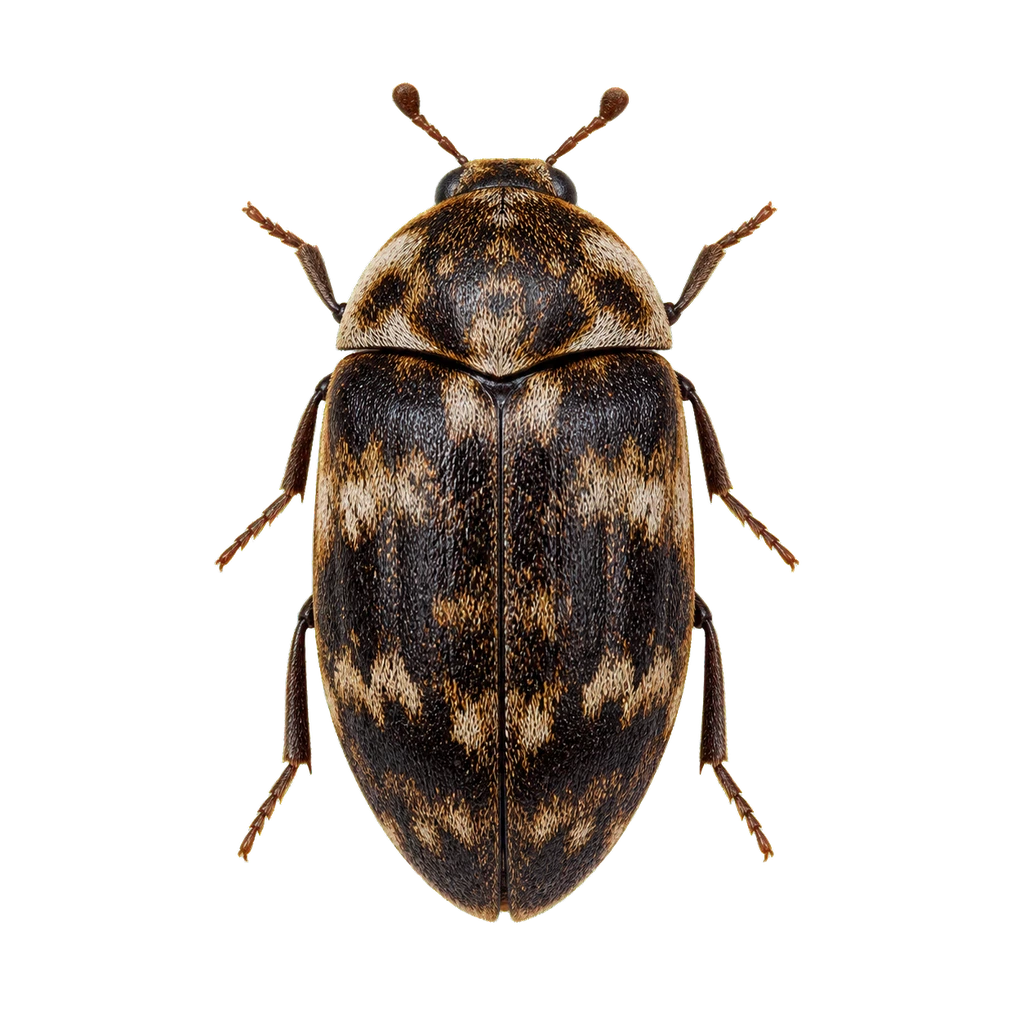
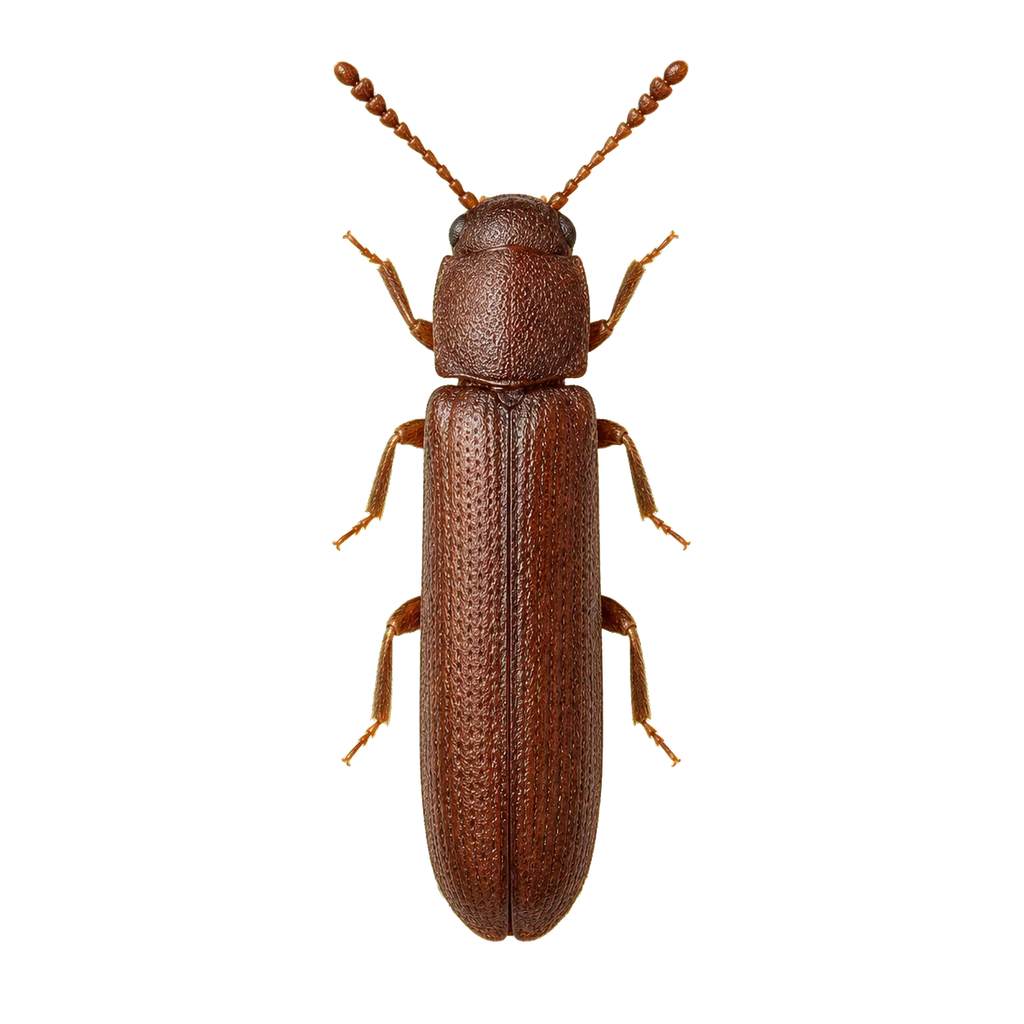
Drugstore beetles eat virtually anything dry and organic: pet food, spices, books, taxidermy, dried flowers, vitamins, even chocolate. They bore through cardboard and thin plastic to get there. Most infestations stay DIY-manageable as long as the homeowner finds and removes the actual source. The trouble starts when the source is hidden: a forgotten spice jar at the back of a cabinet, an old hardcover on a bookshelf, a dried flower arrangement on display, a vintage taxidermy piece in the den, or an aging vitamin bottle in the medicine cabinet.
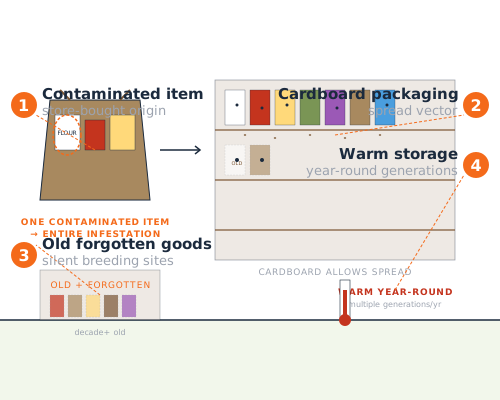
DIY mistakes follow a predictable pattern. Spray the visible adults, throw out the obvious bag of flour, declare victory, then watch new adults appear two weeks later because the actual source was the bookshelf or the dried wreath in the next room. The lifecycle (eggs hatch in 2 weeks, larvae develop hidden in food for months) means surface spray on adults has no effect on what's still breeding inside the source material.
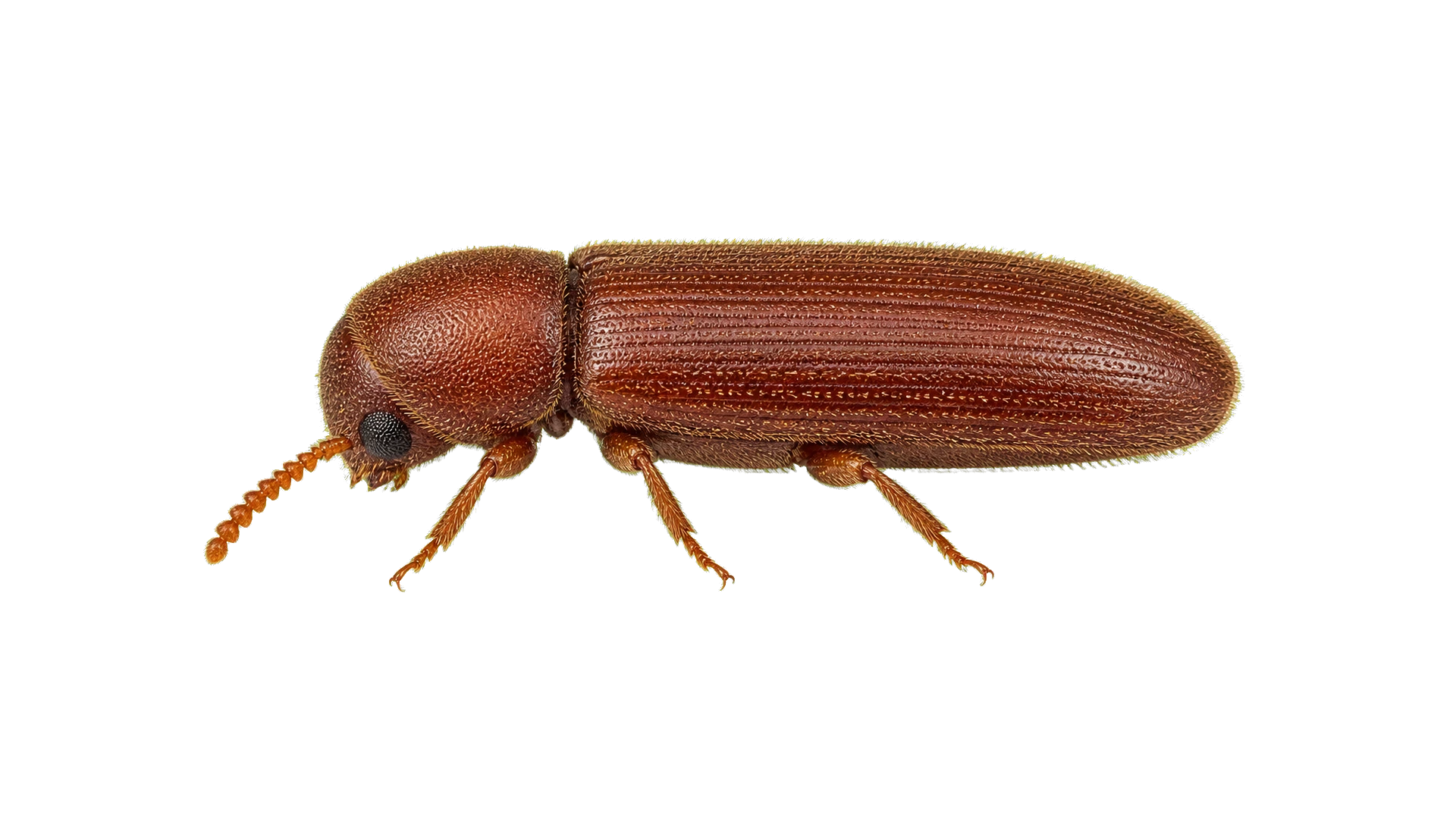
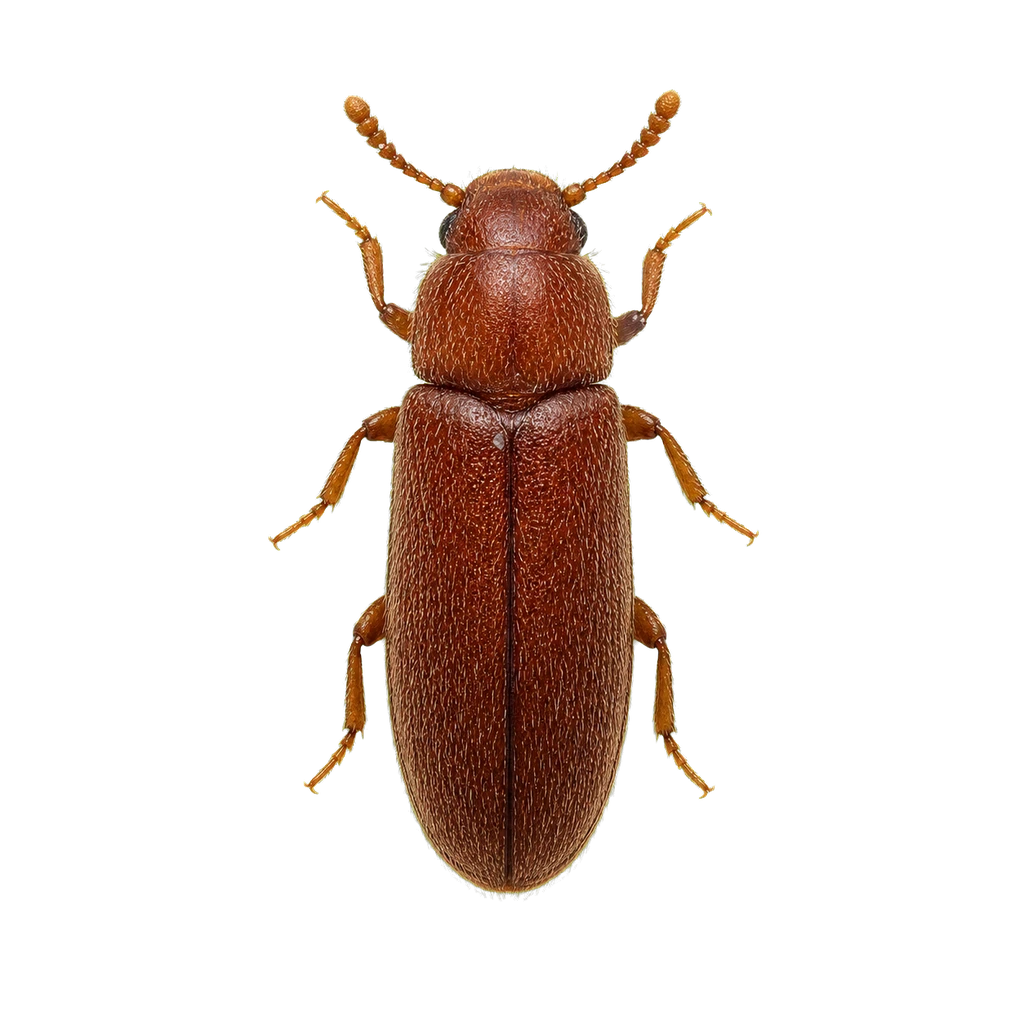
A specialist inspects beyond the obvious pantry, into bookshelves, dried floral arrangements, taxidermy, old vitamin bottles, pet food in any room, and garage or basement storage. They confirm the species (club-shaped antennae, not the serrated antennae of the cigarette beetle that looks almost identical), identify every active site, dispose of contaminated items, and set up pheromone monitoring traps plus IGR placement plus crack-and-crevice treatment. Expect $200 to $500 for an initial visit and $30 to $80 per month for recurring service in severe pantry conditions.
Recurring or stubborn infestations are where professional help pays off most. If you've thrown out items twice and adults keep appearing, the actual source is somewhere you haven't looked yet, or there are multiple sources spread across the home. Drugstore beetle infestations also carry mold spores and bacteria, and the allergen dust is a documented asthma trigger, which is why families with respiratory issues should not let an infestation linger.