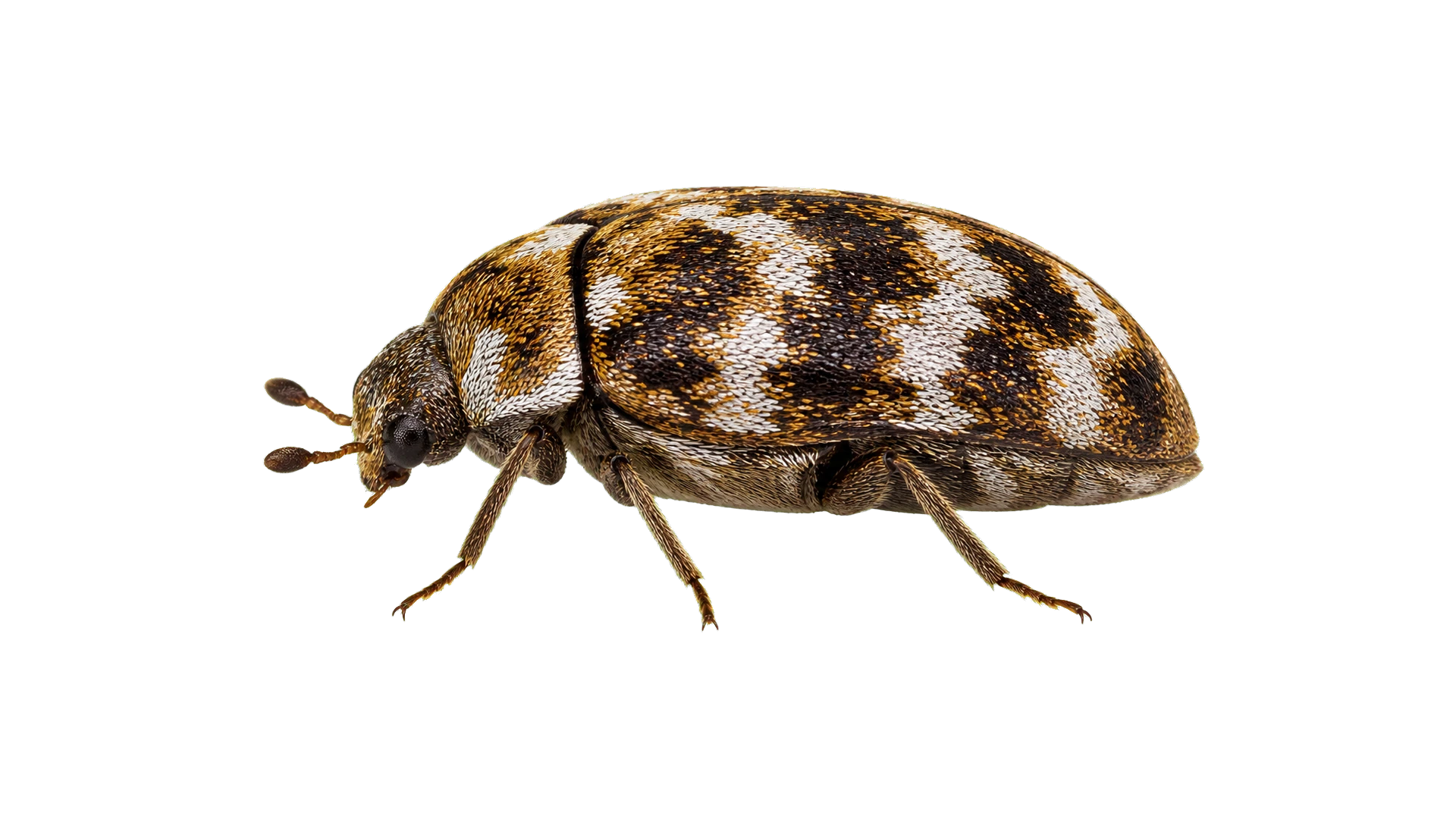
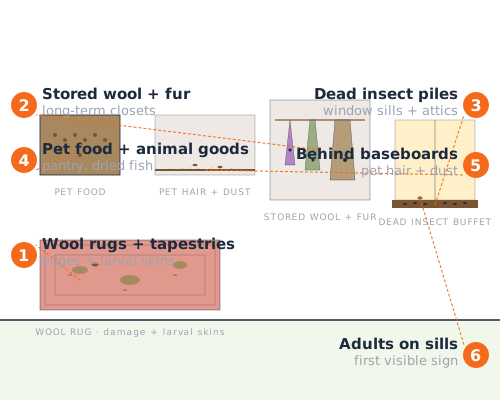
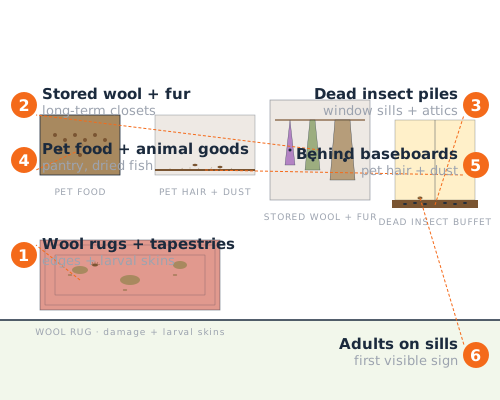
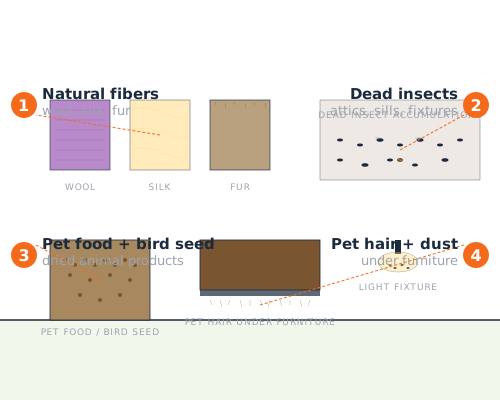
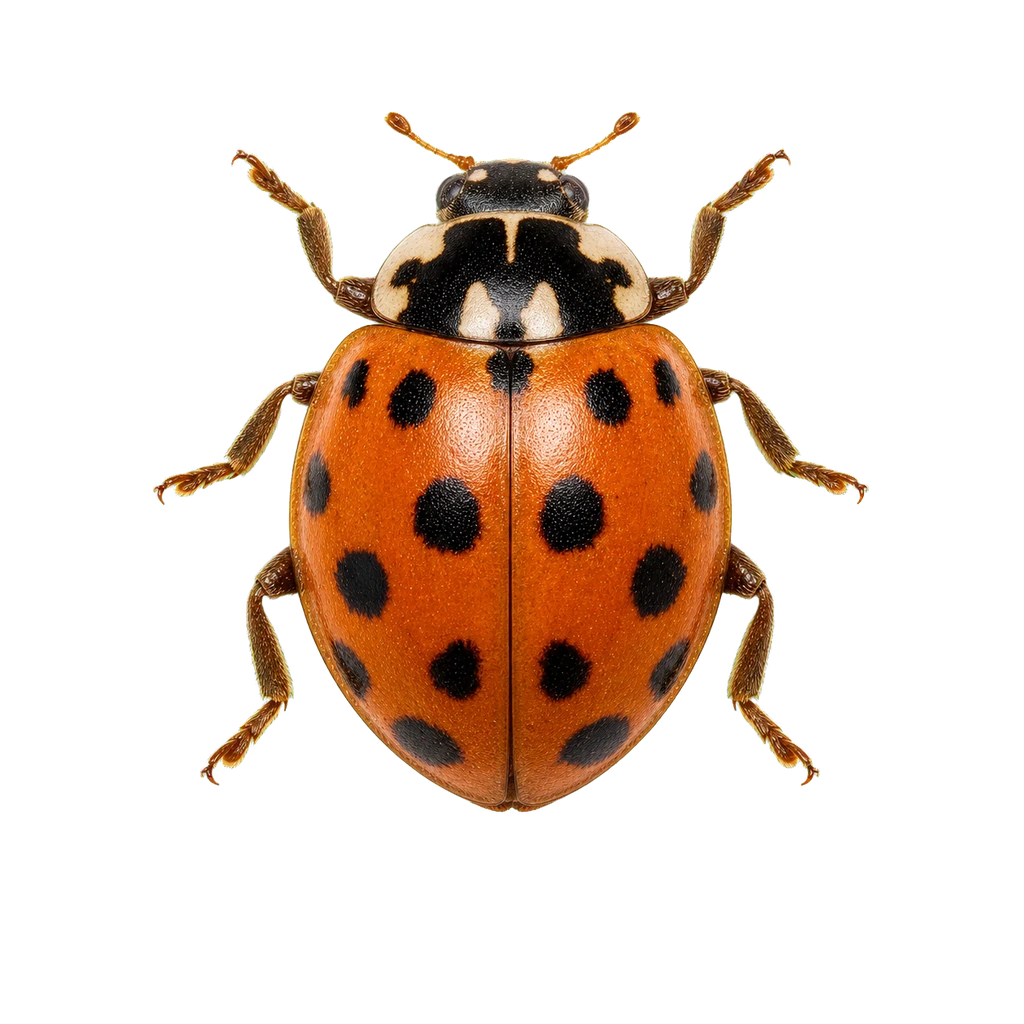
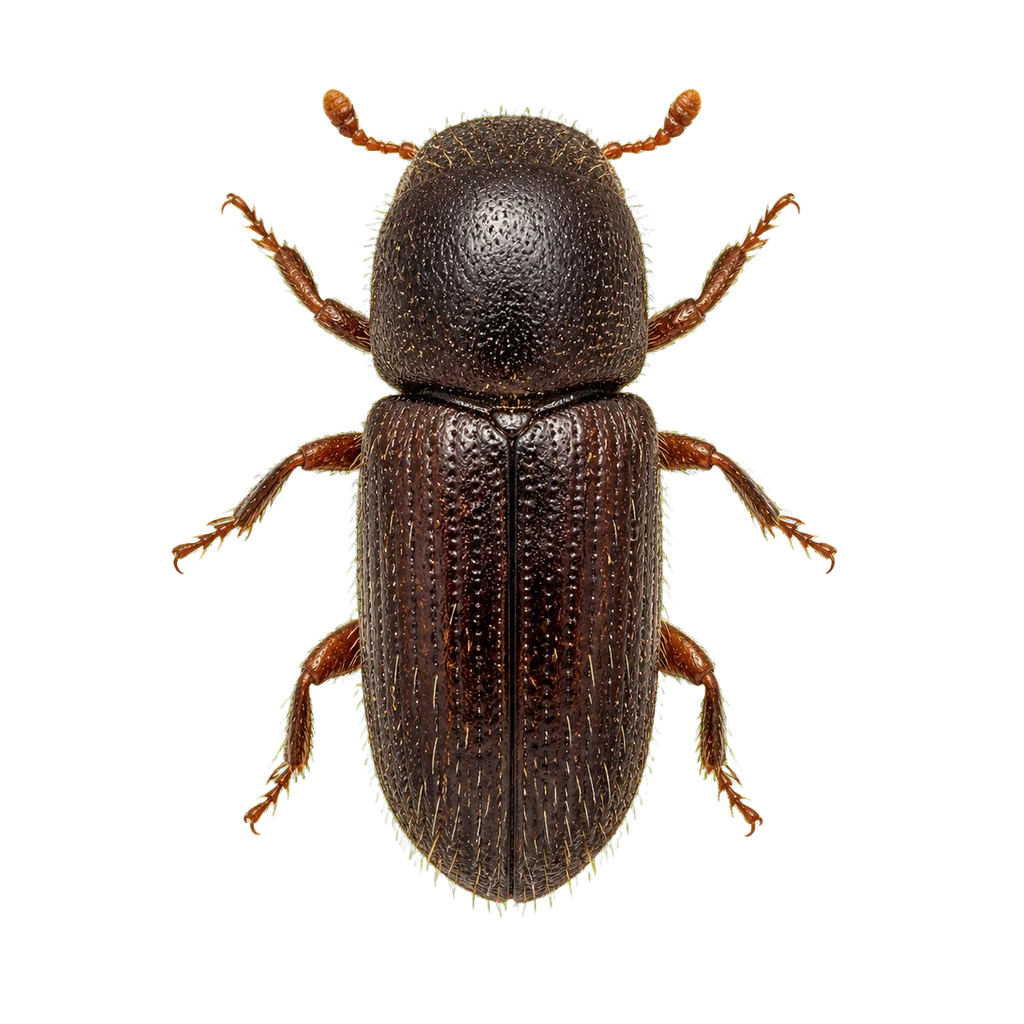
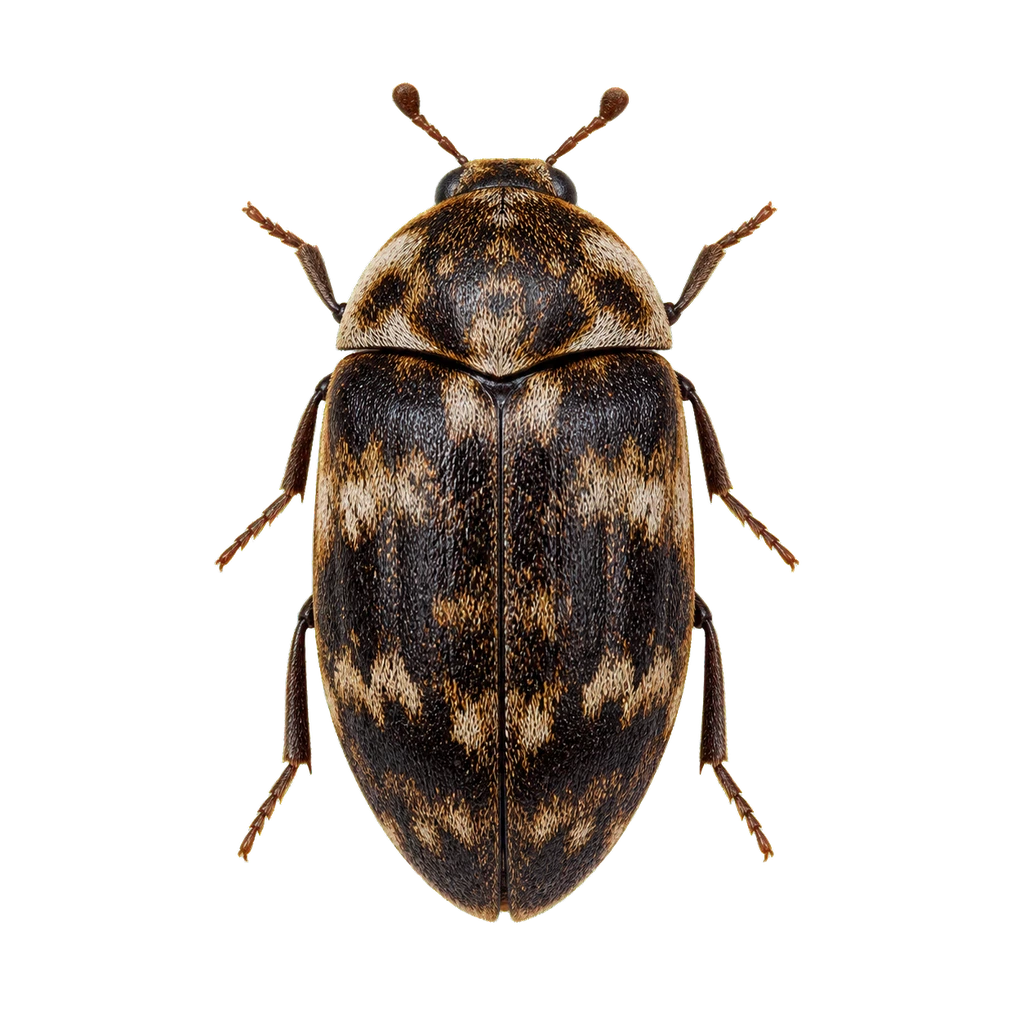
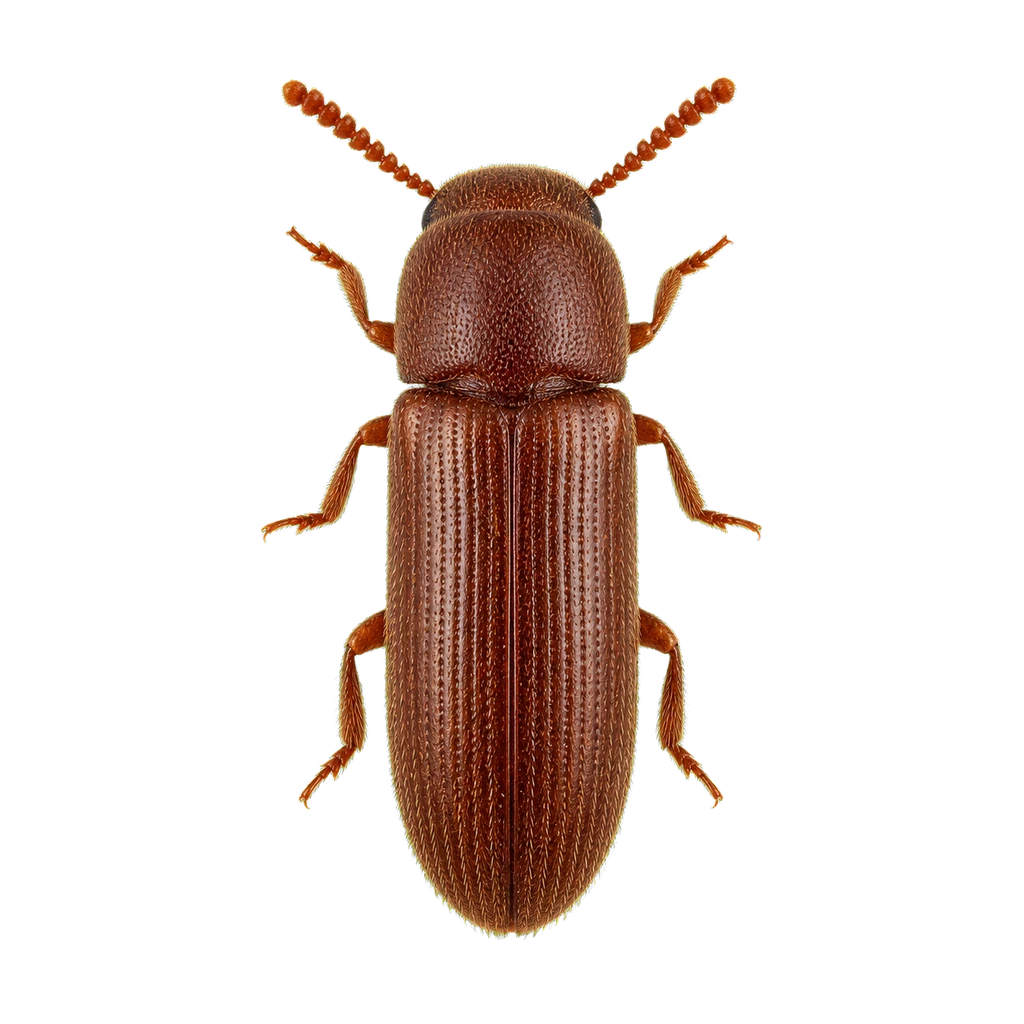
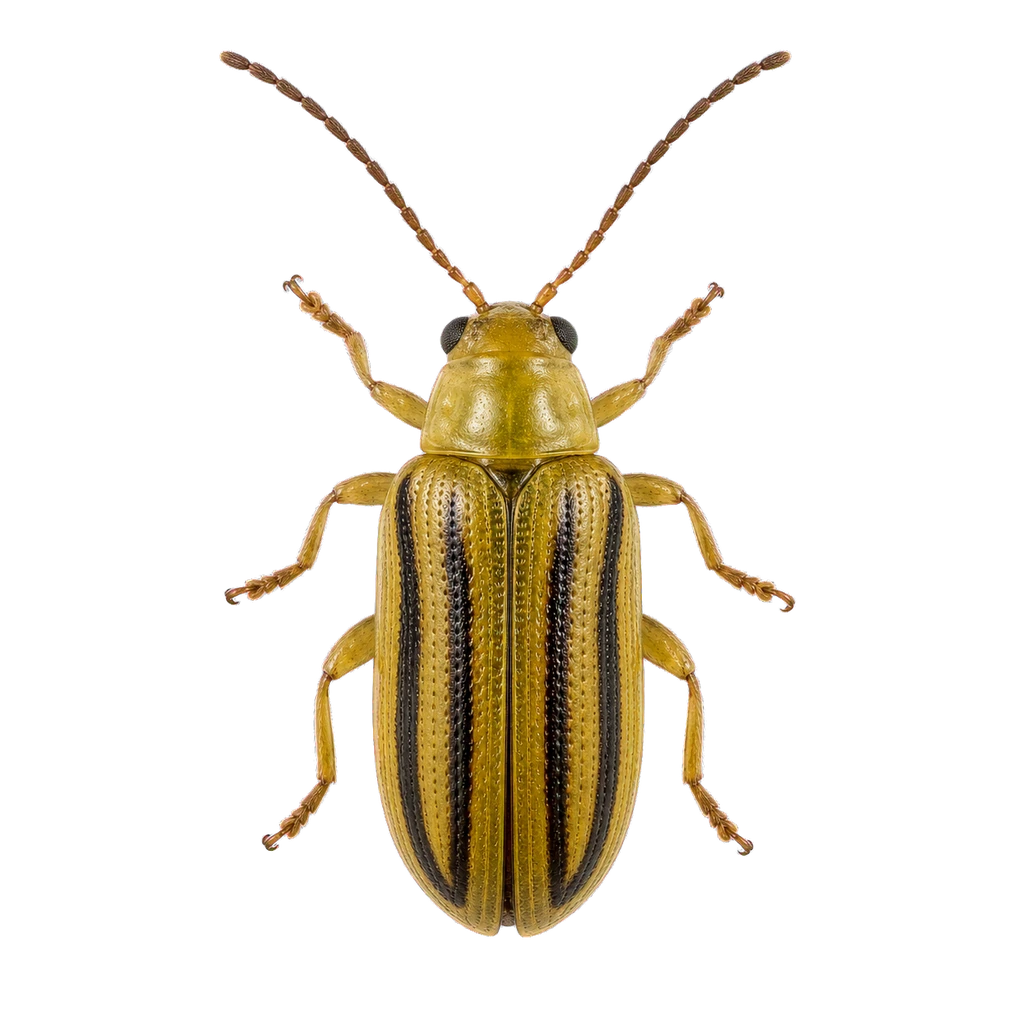
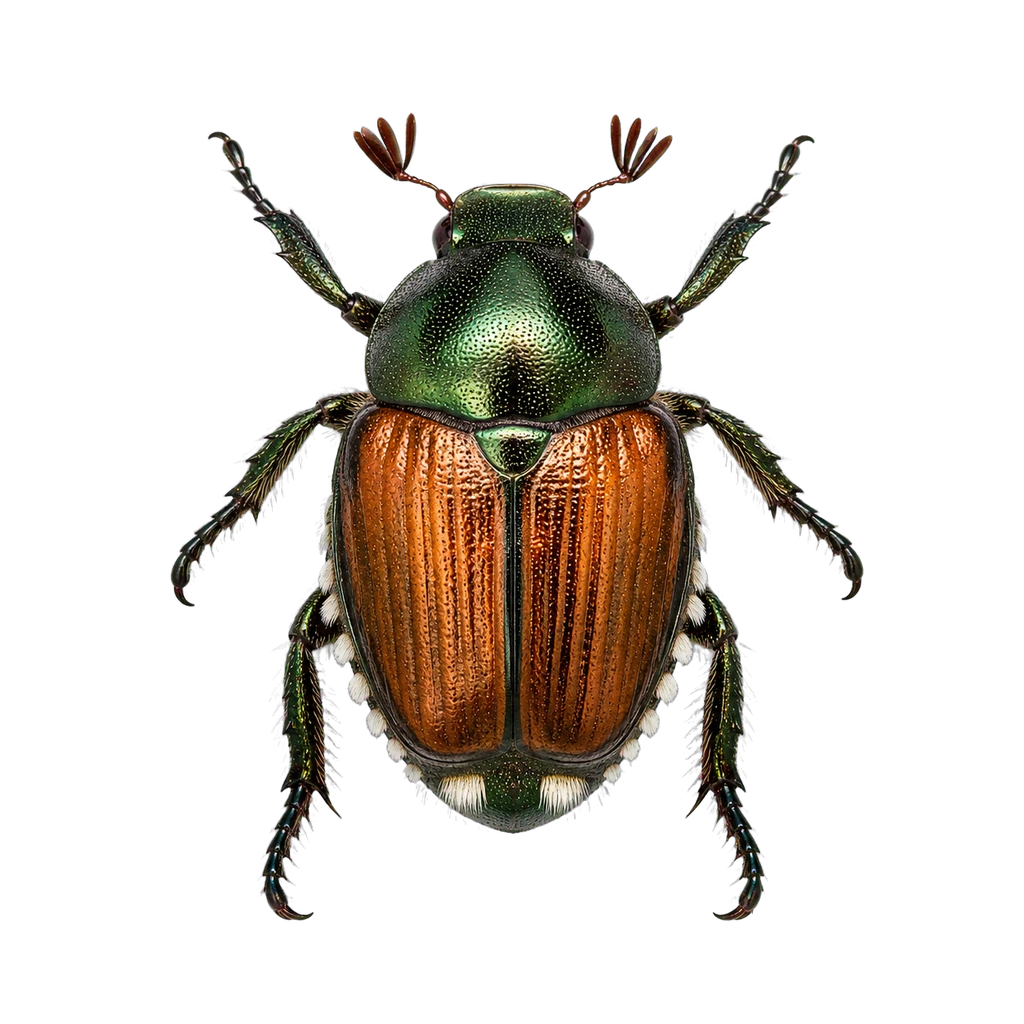
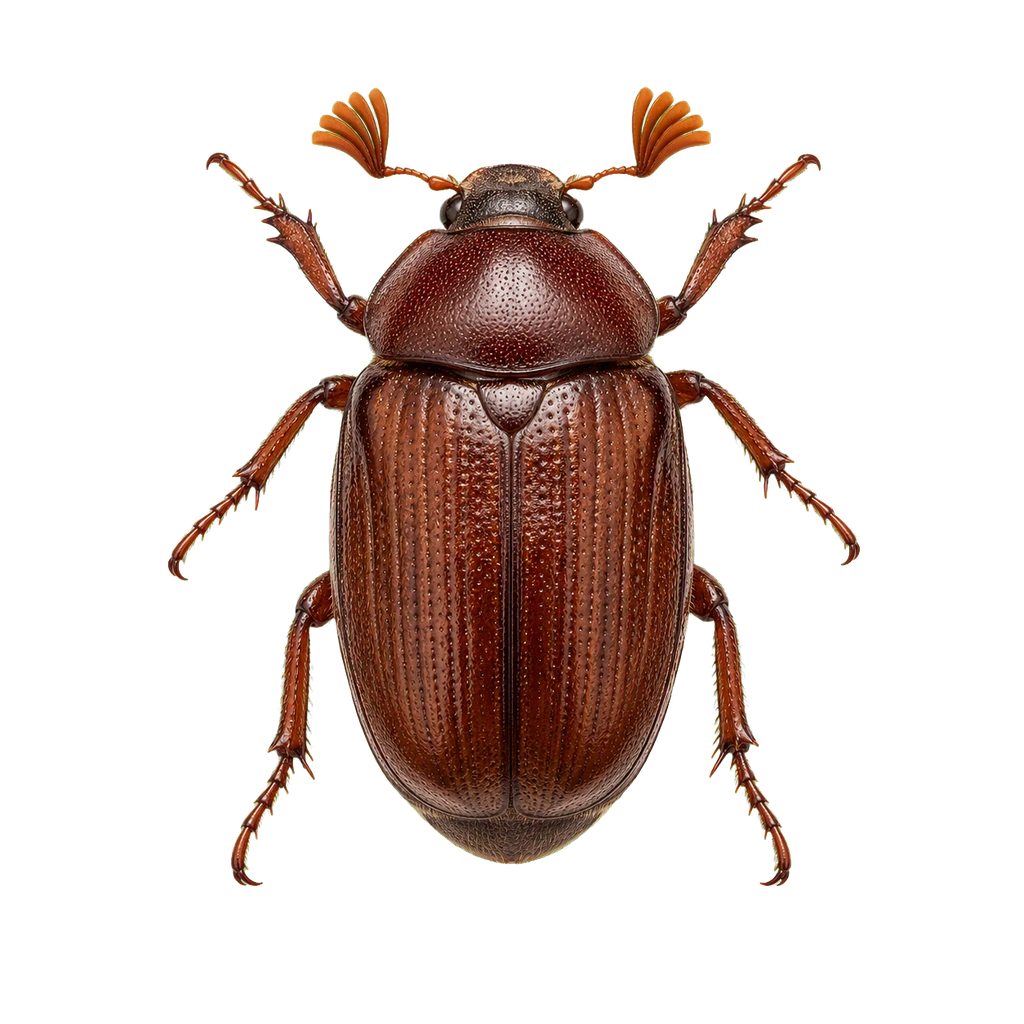
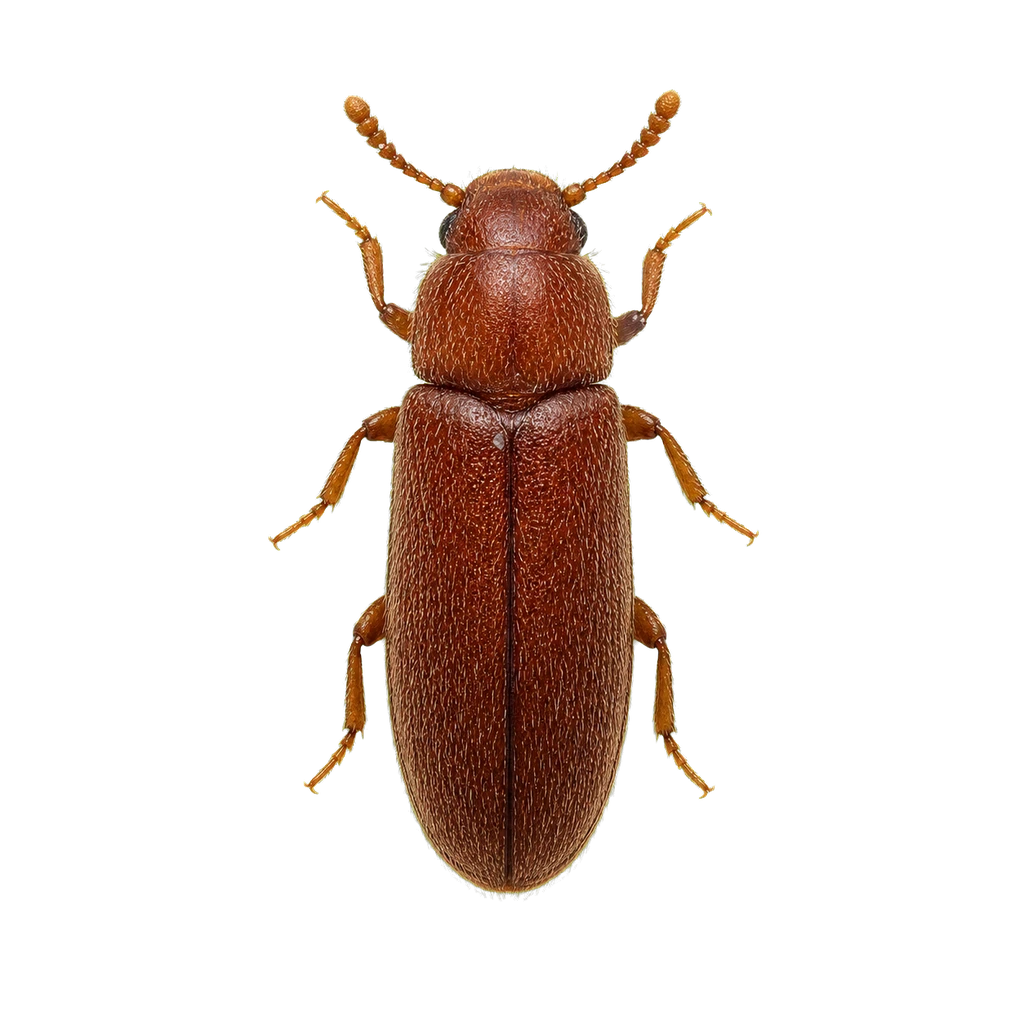
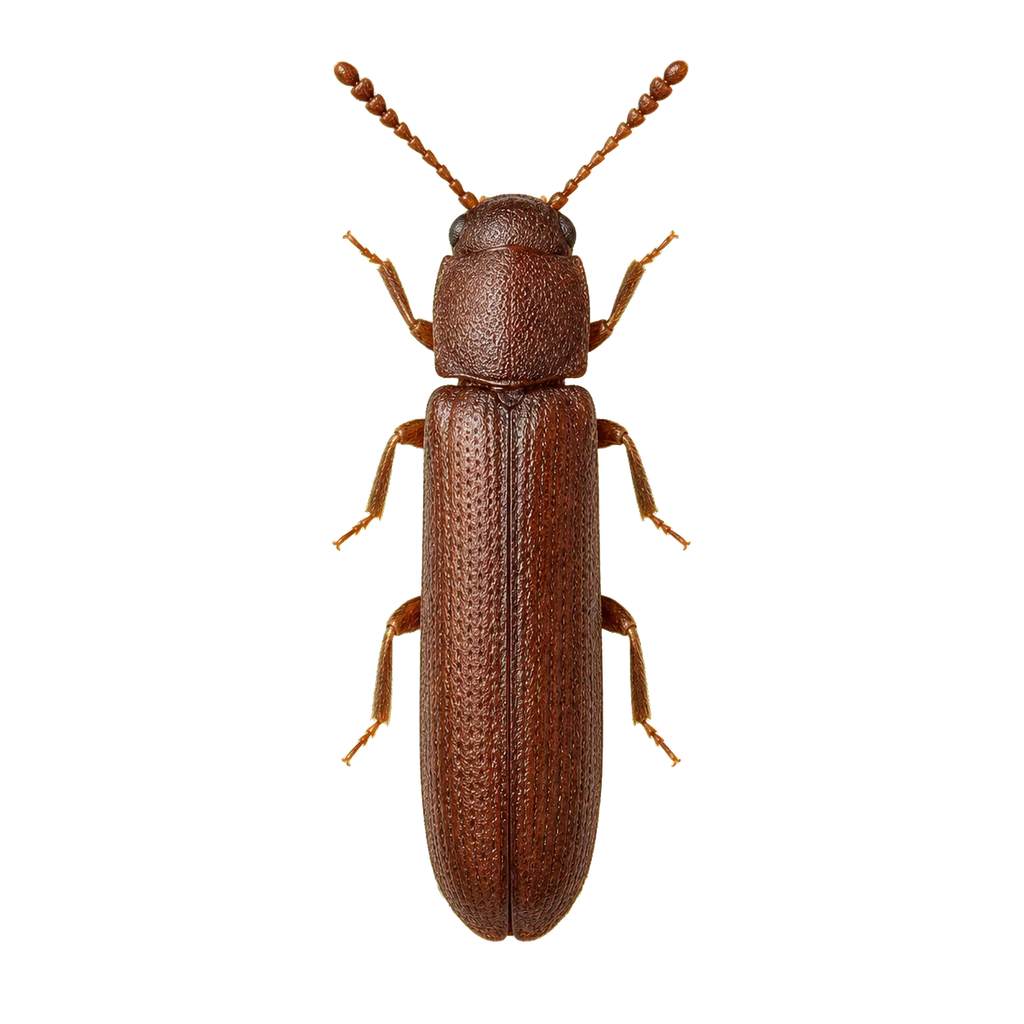
Carpet beetles eat wool, silk, fur, feathers, leather, dried meat, pet food, dried plants, dead insects, and taxidermy. Synthetic fibers and polyester are off the menu, so a 100 percent nylon carpet is safe, but a 20 percent wool area rug or a feather pillow is a target. The diet is so broad that the breeding source is almost never where the visible damage is.
The 8-month to 2-year larval lifecycle is what makes this a frustrating DIY job. Cleaning everything visible feels like the problem should end, but eggs already laid keep hatching for weeks, and any larva missed in a light fixture or attic corner feeds for another year before becoming an adult. DIY usually catches the easy 70 percent and leaves the 30 percent that re-seeds the next generation.
The other piece DIY misses is the continuous outdoor source. Bird nests in eaves and soffits, dead insects in outdoor light fixtures, and abandoned wasp nests all feed larvae for months and send new adults indoors every spring. Until someone climbs a ladder and pulls those out, the indoor problem never fully ends.
A pro inspects all the places homeowners can't easily reach, clears the breeding material, applies residual product where new larvae will travel, and sets pheromone traps to confirm the population has actually dropped. Initial service runs $250 to $700 and recurring visits run $50 to $120 per month for chronic conditions, far less than replacing the wool rugs, sweaters, and heirloom items at risk.