Egg
Hatch in roughly 1 to 2 weeks
Females deposit eggs on or near a protein source, often tucked into cracks, fur, or the seams of stored meats. Each female can lay more than 100 eggs across her lifespan.
Local pest control help is one call away.
 Pest Control Services Nationwide Pest Control Services Nationwide
 Dermestid beetle is the family name for a group that includes carpet beetles, but on this page we focus on the larger, hide-feeding species that show up around dead animals and stored cured meats. The two species most homeowners run into are the larder beetle (about 7 to 9 millimeters long, black with a pale yellow band across the upper wing covers and six dark spots inside the band) and the hide beetle (5 to 10 millimeters, mottled black, brown, and white, with a longer body than a larder beetle). Both have bristly brown larvae that grow up to 12 millimeters long and look like fuzzy caterpillars.
These larger dermestids eat protein. That means cured ham, jerky, salami, taxidermy mounts, leather, fur, dry pet food made with animal protein, and most often, a dead mouse, bird, bat, or squirrel hidden inside a wall or attic. If you are seeing larder beetles on windowsills with no obvious food source in the kitchen, there is almost always a carcass somewhere in the structure feeding them. This guide explains how to confirm the species, why the protein source matters more than any spray, and what professional treatment involves.
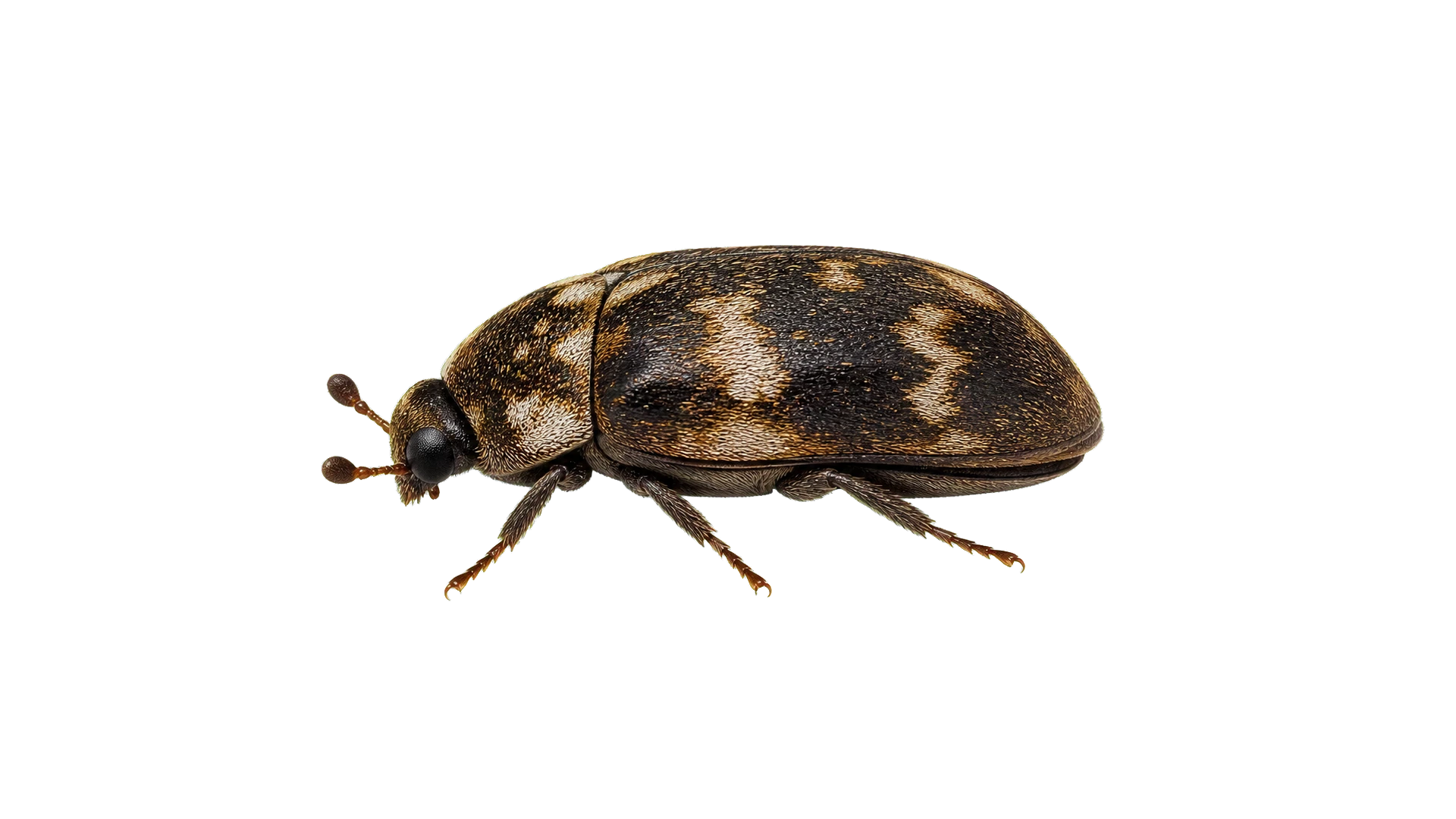
ID Card: Dermestid Beetle
Related Species
Call to get matched with a local pest control pro.
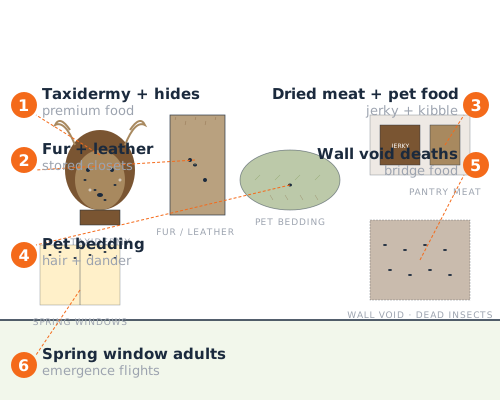
Dermestid beetles in this size class follow protein. Walking these zones in order is how you find the source instead of chasing adults on a windowsill:
When you find bristly larvae but no obvious food, work backward. Note where the larvae are concentrated, then look directly above or behind that spot for a carcass, an old bird nest, or a stored protein item. Following the larvae to the source is what makes treatment stick.
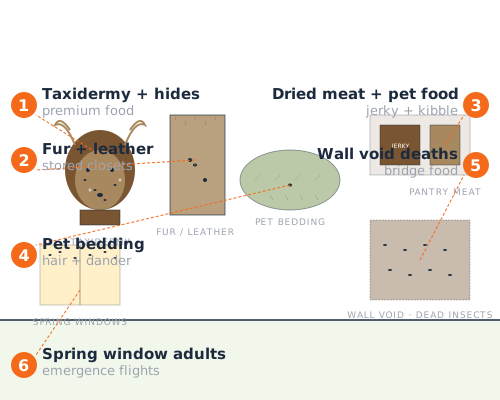
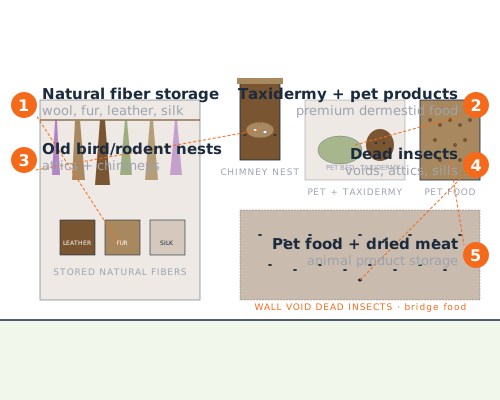
Larder and hide beetles do not show up by accident. Something inside the home is feeding them, and almost always it is animal protein. The most common scenarios are simple once you know what to look for. A mouse that climbed into a wall and died last winter. A bird that came down a chimney and could not get back out. A bat in the attic. A forgotten ham in a basement pantry. A taxidermy deer head in a humid storage room. All of these turn into long-running beetle populations because a single carcass can support hundreds of larvae for months.
What attracts larder and hide beetles:
Some of these infestations trace to a single event. A homeowner has a dead mouse in the wall, the smell fades after a few weeks, and life moves on. Six months later, larder beetles start appearing on windowsills. The mouse is gone in the sense that the smell is gone, but a thriving beetle population is still feeding on what is left of it. Treatment that does not address the carcass just treats the symptom.
Find your scenario below. Each row reflects the actual progression of a protein-source infestation.
| What You're Seeing | Severity | If Untreated | Next Step |
|---|---|---|---|
| One or two larder beetle adults on a windowsill, no obvious food source | Early | A hidden carcass or stored meat is likely feeding a developing population | Walk attic, basement, and pantry. Note any odor, flies, or larvae locations. |
| Bristly larvae found near a suspected dead animal or cured meat | Moderate | Population will keep growing as long as the protein source remains in place | Schedule professional service to locate and remove the protein source. |
| Larvae throughout the home, multiple damaged items, asthma or skin irritation | High | Dispersed feeding across stored items as the original source runs out | Same-week professional service. Consider a medical visit for ongoing symptoms. |
| Heavy infestation, extensive damage, and an ongoing dead-animal source you cannot reach | Urgent | Carcass will continue feeding larvae until removed; damage spreads to nearby stored goods | Call today for an intensive program with structural access to remove the source. |
A protein source you cannot reach drives an infestation you cannot stop. If you're between two rows, treat the higher one as your situation.
Larder and hide beetles run on protein. A female lays eggs directly on or next to a food source, and the bristly larvae spend most of their lives feeding right there. The timing changes with temperature, but the pattern is the same in every infestation: find the source, find the larvae.
Hatch in roughly 1 to 2 weeks
Females deposit eggs on or near a protein source, often tucked into cracks, fur, or the seams of stored meats. Each female can lay more than 100 eggs across her lifespan.
About 6 to 12 weeks, longer in cool conditions
Bristly brown larvae go through 4 to 6 molts and do all the structural feeding. As they mature, they wander short distances away from the source to pupate, which is when they often turn up in unexpected spots like baseboards, attic insulation, or under boxes.
About 5 to 12 days
Pupation happens inside the final larval skin, frequently bored into wood, cardboard, or insulation near the food source. This is why long-running larder beetle jobs sometimes leave small chewed pits in attic framing.
Adults live 4 to 6 weeks
Adults fly readily and are drawn to light, which is why windowsill sightings are usually the first clue. Females search for fresh protein to lay the next generation of eggs.
An infestation driven by a hidden protein source does not respond to surface treatment alone. Until the carcass or stored meat is removed, the lifecycle keeps restarting on the same food, and the next generation of larvae will be in the walls within weeks.
Larder and hide beetles stay active year-round inside heated structures, but adult flight and egg-laying follow a clear seasonal rhythm. Knowing the pattern helps explain why sightings spike at certain times of year.
Adults that overwintered in wall voids or attics emerge, fly toward light, and turn up on windowsills. Females begin searching for fresh protein sources to lay eggs. This is when most homeowners first notice the problem.
Peak larval activity. Bristly larvae feed heavily on whatever protein source the adults found in spring, and damage to cured meats, taxidermy, and stored animal products accelerates fastest in these months.
Feeding continues as long as the protein source holds out. Late-season carcasses from rodents entering for winter shelter become the next round of feeding sites, setting up populations that will emerge the following spring.
Activity continues indoors at full pace inside heated homes. Outdoor populations slow, but a dead rodent or bird inside a wall void during winter is essentially a year-round food source from the beetles' point of view.
Larder and hide beetles are different from most household pests because the real problem is rarely the beetle itself. It is the protein source feeding the beetles. Finding that source often means tracing a faint odor through wall voids, opening a soffit to reach a dead bird in a chimney chase, or pulling back attic insulation to locate a mummified rodent. That work requires experience most homeowners do not have.
Surface spraying does almost nothing here. You can knock down adults on a windowsill all day, but as long as a carcass or stored meat is feeding new larvae in a wall void, the population just rebuilds the next week. This is one of the few pest problems where source removal matters more than chemical application.
A professional walks the inspection in the right order. Adults on windowsills point to a recent emergence, larvae point toward the source, and odor or fly activity narrows the location. From there, the technician can plan structural access, remove the source, and treat the surrounding zone in a single visit. A typical initial service runs $250 to $700, with recurring monitoring at $50 to $120 per month for chronic conditions. Dead animal removal that requires opening walls adds $200 to $500 or more depending on access.
For homeowners with valuable taxidermy collections, museum-quality items, or recurring rodent issues in the same structure, ongoing service is the difference between catching the next infestation in week one versus discovering it after months of damage.
A larder or hide beetle job is really two jobs in one: find and remove the protein source, then treat the zone where larvae have spread. Here is what a specialist does:

 Source Investigation First
 A thermal scan, a careful nose, and experience with rodent and bird entry patterns help pinpoint a hidden carcass. The bristly larvae trail almost always points to the source within a few feet.
Carcass Removal and Sanitation Removing a dead rodent from a wall void may require cutting drywall or opening a soffit. Done right, this single step shuts down the food supply that has been driving every other symptom.
Residual Treatment of Active Zones Targeted residuals in cracks, crevices, attic edges, and around the former source kill the larvae that have already dispersed before they can mature and lay new eggs.
Storage and Item Recommendations Cured meats moved to cold storage, taxidermy treated by freezing for 72 hours, leather and fur cleaned and stored in conditioned space. Long-term prevention is built into the visit.

DIY can handle visible items and small storage problems, but anything involving a hidden protein source inside the structure needs a professional with access tools.
DIY is useful for confirming the species and managing items you can reach:
Professional larder and hide beetle work targets the protein source first, then the surrounding zone:
A hidden carcass or stored protein source feeds dermestid populations for months. Connect with a local specialist for source removal and targeted treatment.
Real results from people who had the same problem and solved it.

"Stored clothing saved from carpet beetles."
We found holes in stored wool sweaters and discovered carpet beetles in the closet. The tech treated the closets and storage areas and explained how to store clothes to prevent reinfestation. The targeted approach worked perfectly.
"Stored clothing saved from carpet beetles."
We found holes in stored wool sweaters and discovered carpet beetles in the closet. The tech treated the closets and storage areas and explained how to store clothes to prevent reinfestation. The targeted approach worked perfectly.

"Fumigation cleared stored product pests from our pantry and walls."
Indian meal moths and beetles had infested our pantry and spread into the wall cavities behind the kitchen. Standard treatments were not reaching the source. The provider recommended fumigation to eliminate larvae and adults in every hidden space. We cleared the home, the crew tented and treated, and clearance testing confirmed a complete knockdown.

"Fumigation eliminated carpet beetles throughout."
Carpet beetles had infested our wool rugs, closets, and even the HVAC ducts. Multiple targeted treatments only knocked them back temporarily. The provider recommended structural fumigation to reach larvae hiding in wall voids and ductwork. We followed the preparation checklist, cleared the home, and the crew handled the tenting and gas treatment. Clearance testing confirmed success and our belongings have been damage-free since.
Direct answers to what homeowners ask most about identification, hidden carcass sources, and treatment.
Dermestid beetles (family Dermestidae) are a large group of small (1/8 to 3/8 inch), oval beetles whose larvae are covered in tufts of hair or bristles and feed on dried animal proteins including wool, fur, feathers, silk, dried meat, pet food, leather, taxidermy specimens, and insect collections. Common species include carpet beetles, larder beetles, hide beetles, and warehouse beetles. The larvae, notthe adults, cause all the damage, chewing irregular holes in textiles, consuming dried food products, and destroying museum and taxidermy specimens. Adults are often found on windowsills trying to fly outdoors to feed on flower pollen. Their shed larval skins, which are bristly and easily recognizable, are the most common evidence of dermestid activity.
Dermestid beetle breeding sources are often hidden and overlooked during initial inspections. Common sources include: accumulated pet hair and lint behind and under furniture, in HVAC ductwork, and along baseboards; dead insects in light fixtures, window tracks, and wall voids; old wasp or bee nests inside wall cavities; stored wool blankets, fur items, or feather products in closets and attics; taxidermy mounts or animal trophies; dried flower arrangements; and forgotten pet food or birdseed in garages. Check these areas for the telltale bristly shed larval skins, small larvae with banded hair tufts, and irregular damage to organic materials. Thorough vacuuming of hidden accumulations of animal-based debris is the foundation of dermestid beetle control.
Beetles are the largest order of insects, and different species enter homes for different reasons. Carpet beetles feed on natural fibers, pet hair, and dead insects indoors. Powderpost beetles infest hardwood floors and furniture. Pantry beetles (drugstore and cigarette beetles) target stored food. Asian lady beetles and boxelder beetles invade in fall to overwinter. Identifying the species is the first step to solving the problem.
It depends on the species. Powderpost beetles can cause serious structural damage by boring into hardwood, leaving behind small round exit holes and fine powdery frass. Carpet beetles destroy wool rugs, clothing, and upholstery. Pantry beetles contaminate stored food. Other species like ladybugs and ground beetles are nuisance invaders that don't cause damage but are unpleasant in large numbers.
Most providers in our network can schedule an inspection within 24-48 hours. For urgent situations, likeactive structural damage or large colonies, same-week emergency service is often available. Response times depend on your location and the provider's current schedule.
Your provider inspects the property to identify the pest, locate nesting or entry points, and assess the scope of the problem. You get a clear explanation of what they found, what they recommend, and a written scope before any work begins.
Modern pest control products are designed to break down quickly after application and pose minimal risk to people and pets when applied correctly. Most providers ask you to keep kids and pets out of treated areas for 1 to 2 hours while the product dries, after which the area is generally safe again. Always confirm specific re-entry times with your provider, and let them know about pet birds, fish, or reptiles, since some treatments require extra precautions for those species.
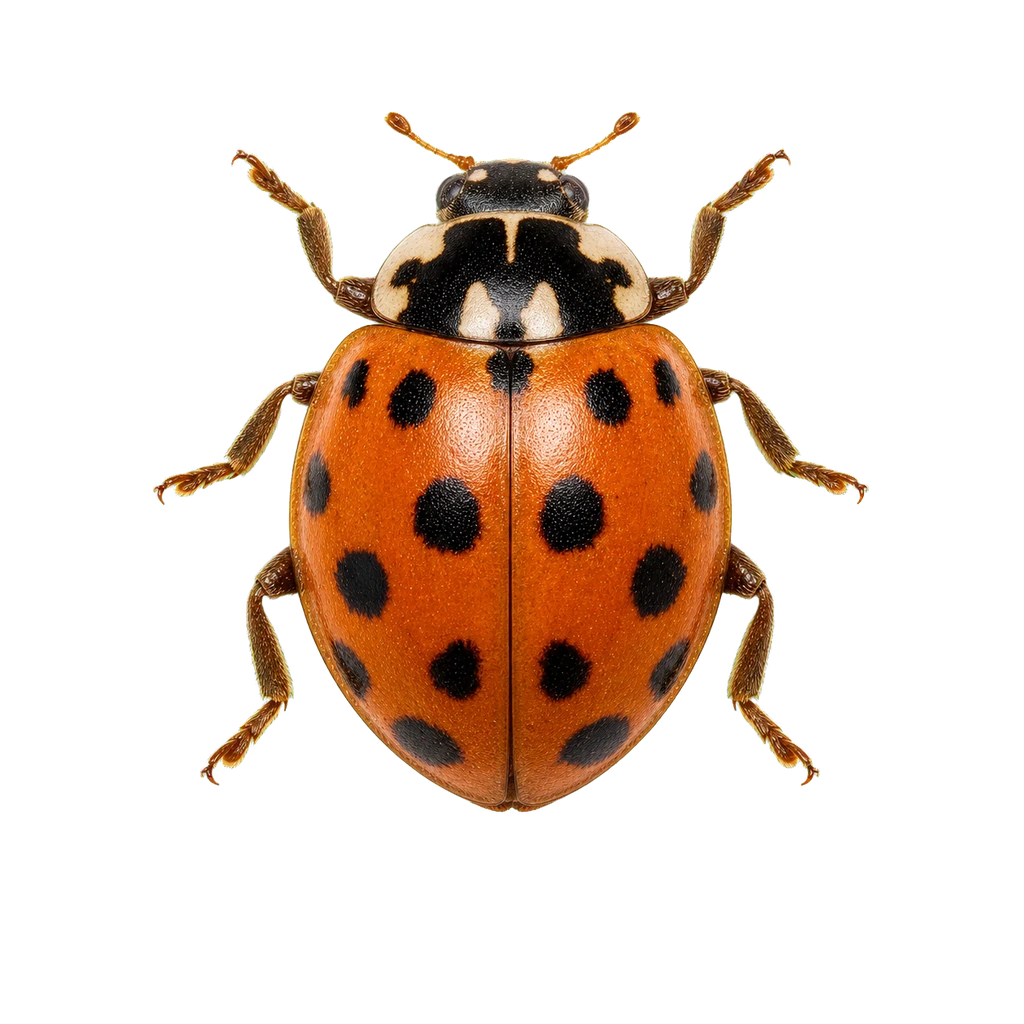
Asian lady beetles swarm homes in fall, clustering by the hundreds on sunny walls and invading attics to overwinter. They secrete a foul-smelling yellow fluid that stains surfaces and can trigger allergic reactions in sensitive individuals.
Learn More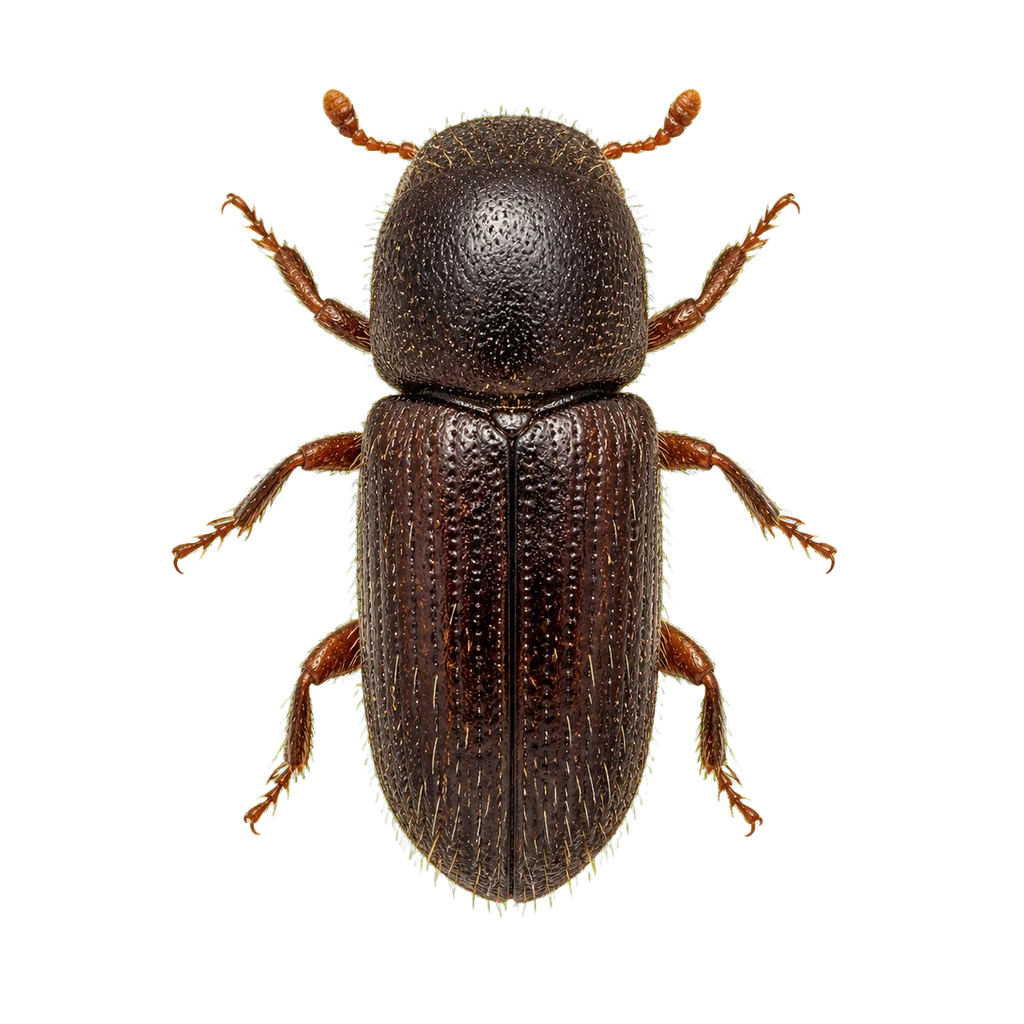
Bark beetles kill millions of trees across the western United States by boring into bark and disrupting nutrient flow. Dead trees on residential properties create falling hazards and increase wildfire risk.
Learn More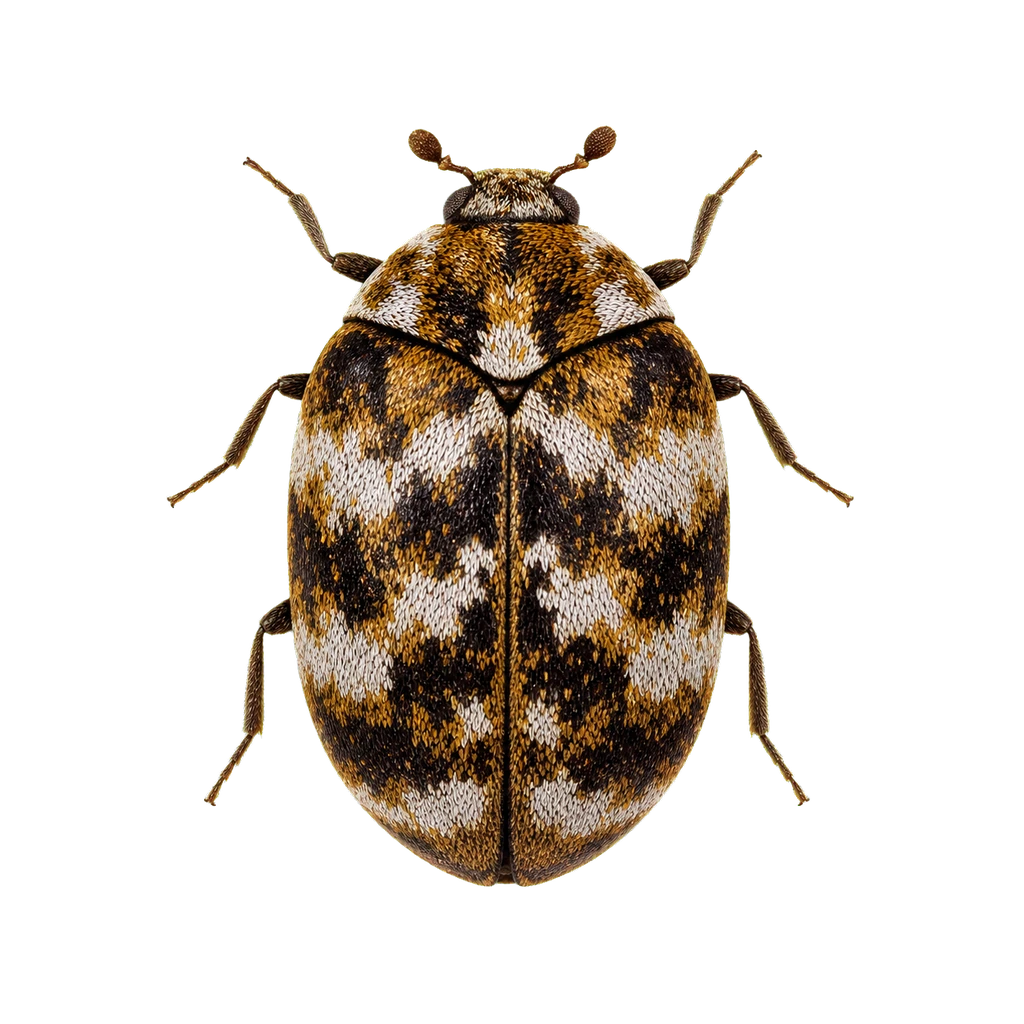
Carpet beetle larvae feed on wool, silk, fur, and other natural fibers, leaving irregular holes in clothing, rugs, and upholstery. The adults are harmless, but their fuzzy larvae can also trigger allergic skin reactions in sensitive people.
Learn More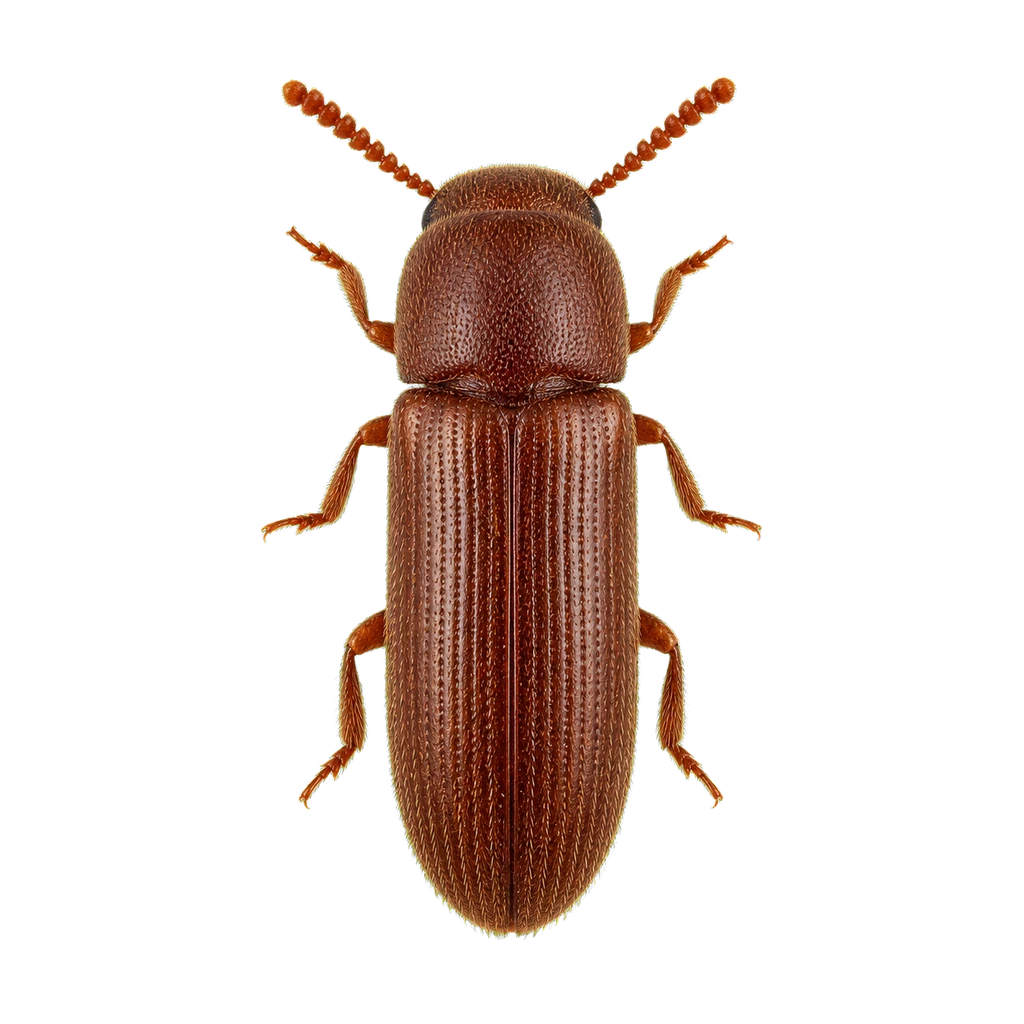
Drugstore beetles infest an unusually wide range of stored products, including spices, flour, pet food, and even medications. They enter homes through contaminated groceries and can spread rapidly through a pantry before being noticed.
Learn More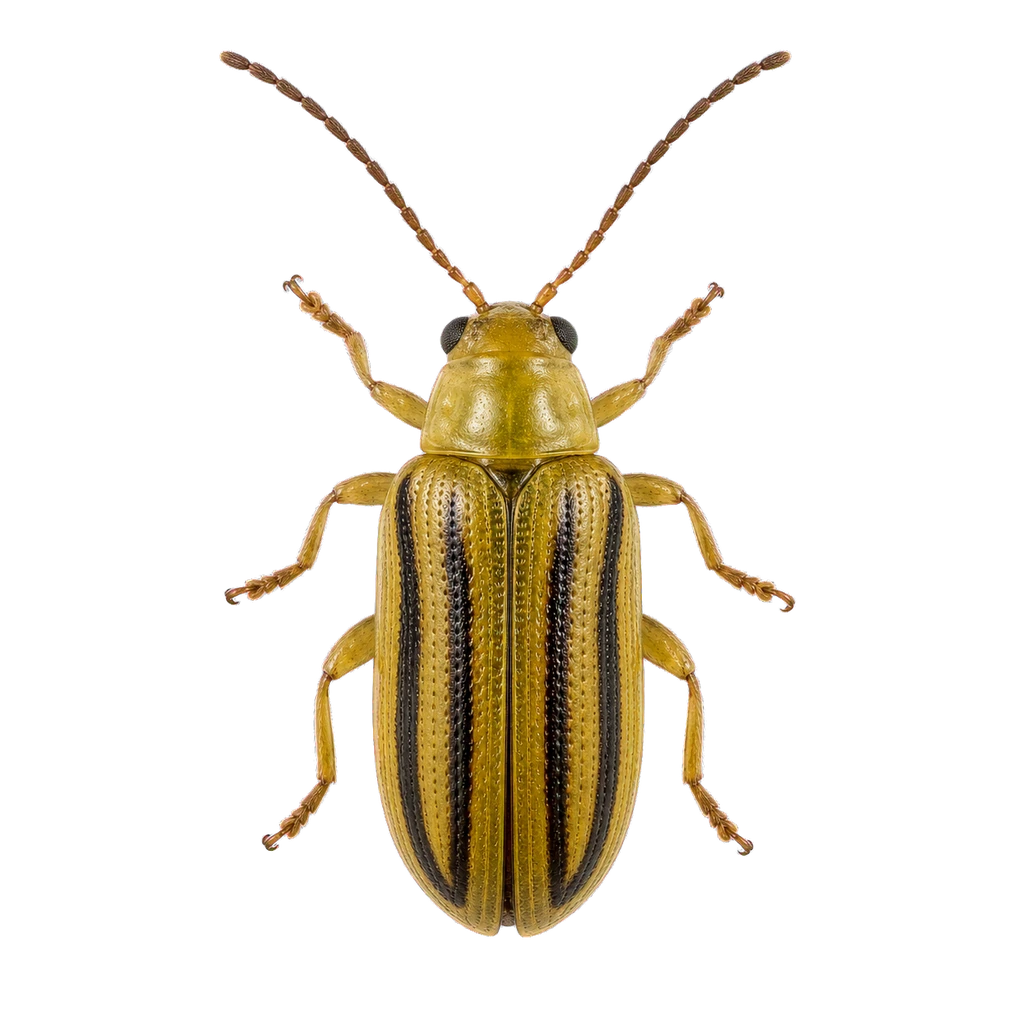
Elm leaf beetles invade homes near elm trees in fall to overwinter in attics and wall voids. They skeletonize elm leaves in summer and can stain surfaces when crushed indoors.
Learn More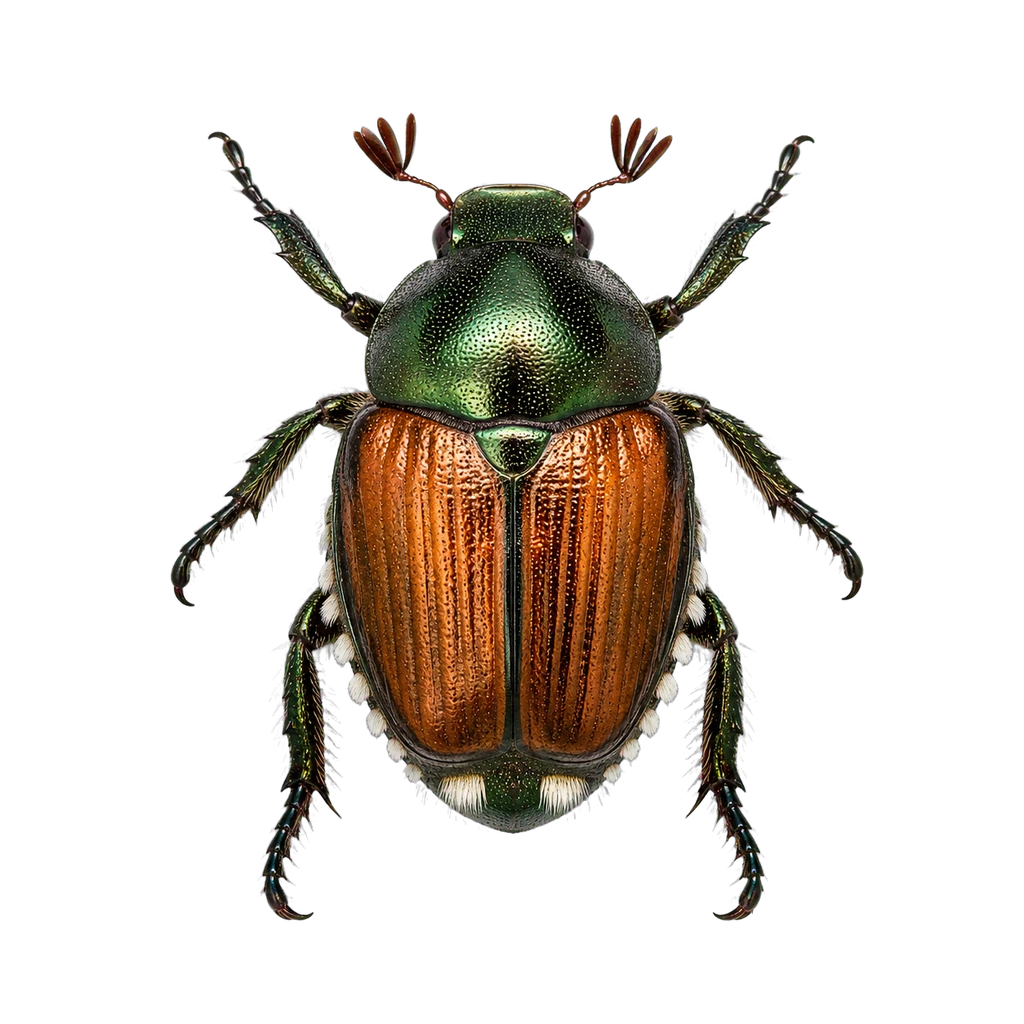
Japanese beetles skeletonize garden plants and ornamental foliage as adults, while their grub-stage larvae destroy lawns by feeding on grass roots. They are an invasive species that can defoliate entire gardens in a matter of weeks during summer.
Learn More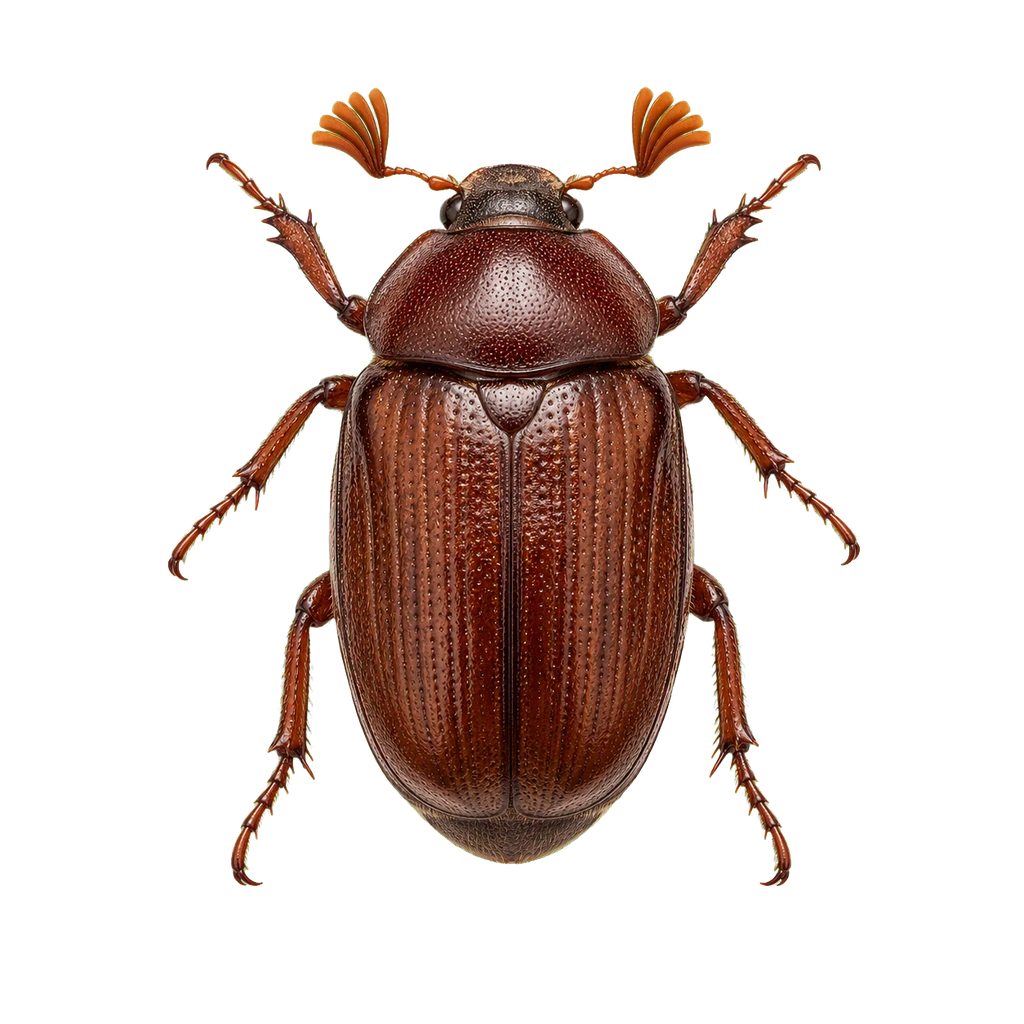
June bugs are clumsy nocturnal fliers that swarm porch lights in early summer, but the real damage comes from their larvae, white grubs that feed on grass roots and create dead brown patches in lawns.
Learn More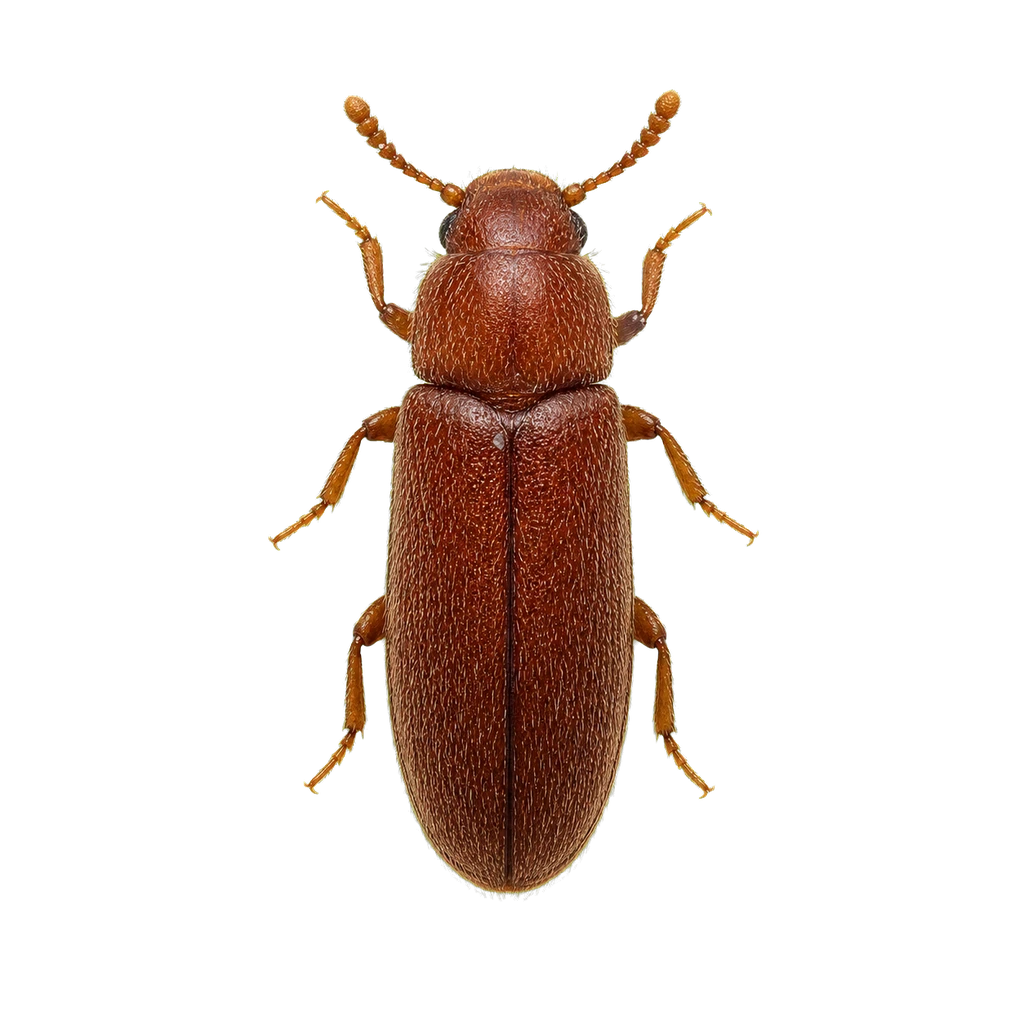
Pantry beetles infest stored food products like flour, cereal, and spices, contaminating them with larvae and waste. They often arrive in already-infested grocery items and spread quickly through kitchen cabinets.
Learn More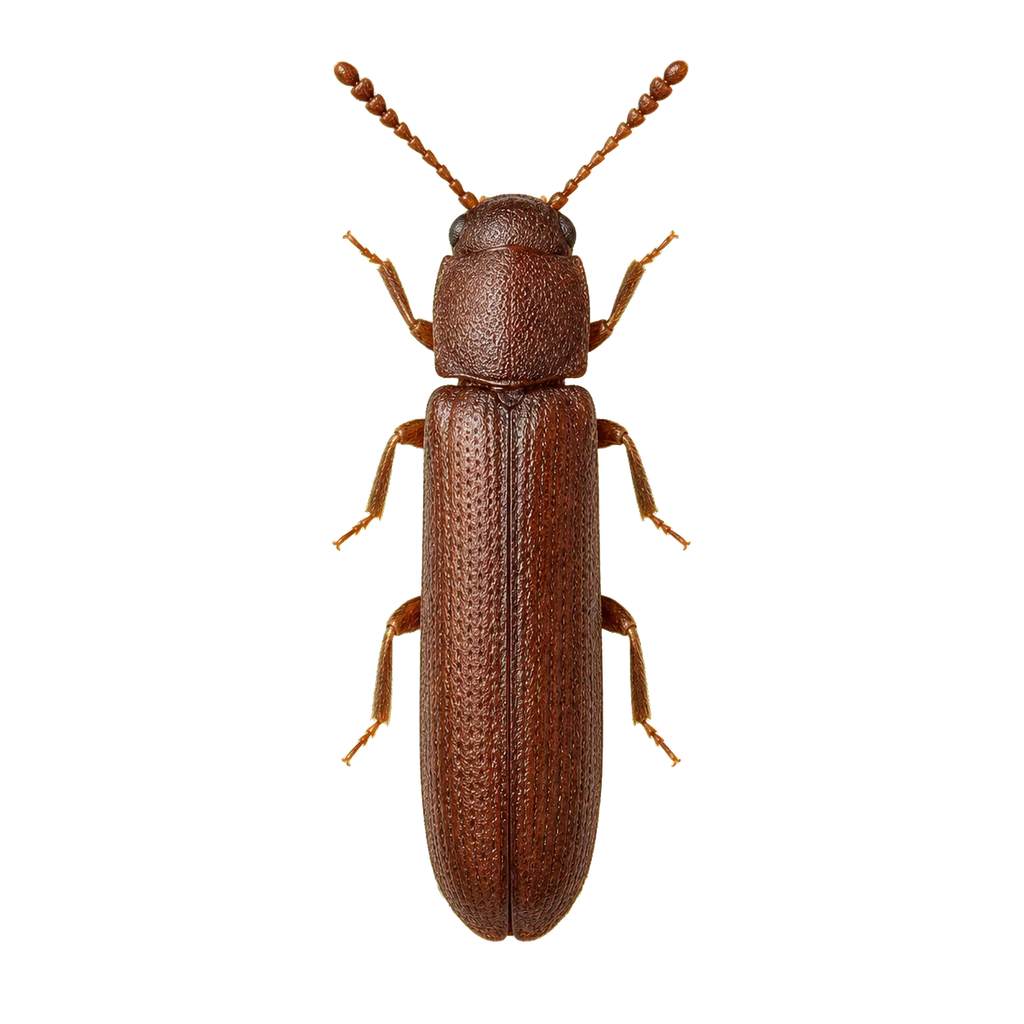
Powderpost beetles bore into hardwood flooring, furniture, and structural timbers, reducing wood to a fine powder over time. Infestations often go unnoticed for years until exit holes and frass piles reveal extensive hidden damage.
Learn MoreLocal providers experienced with dermestid beetle source location and removal are ready to inspect, treat, and follow up, no obligation.