Local pest control help is one call away.

Trusted Local Pest Control in West Warwick, Rhode Island

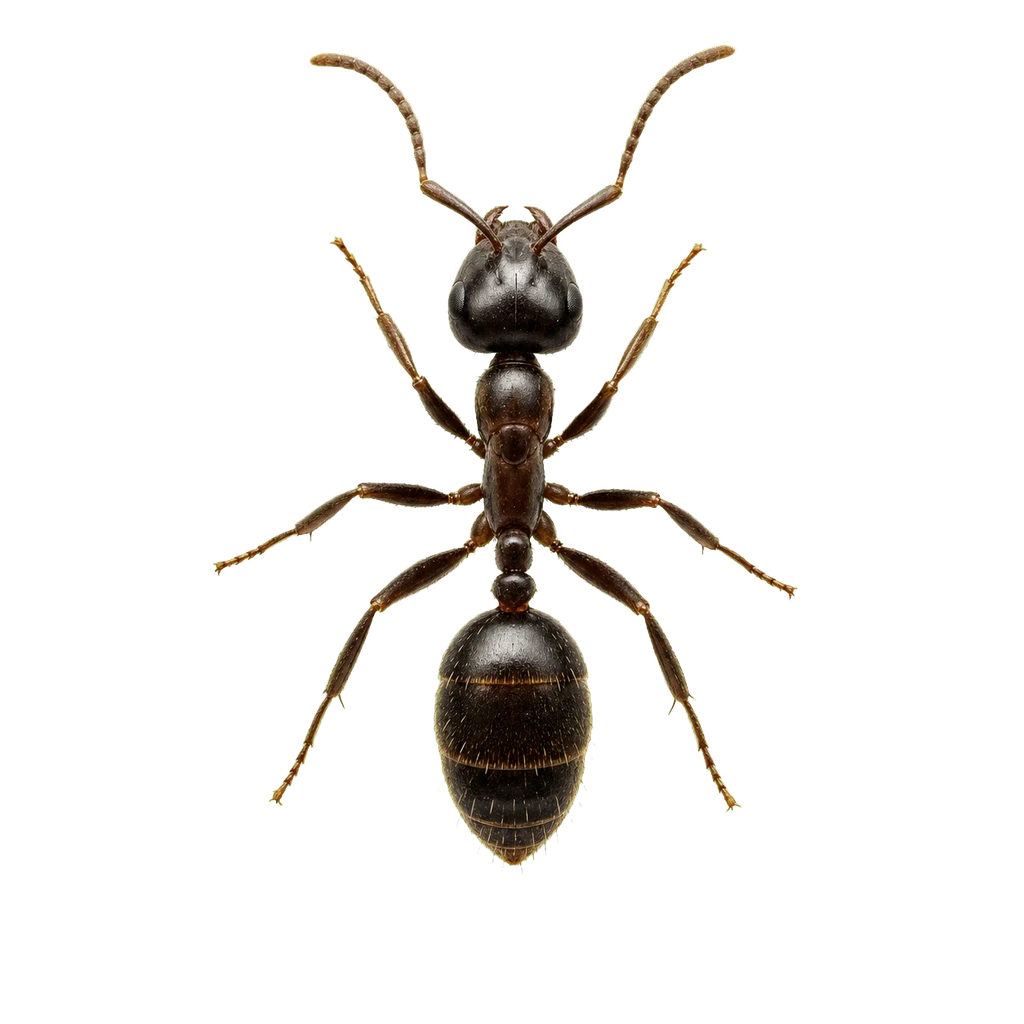
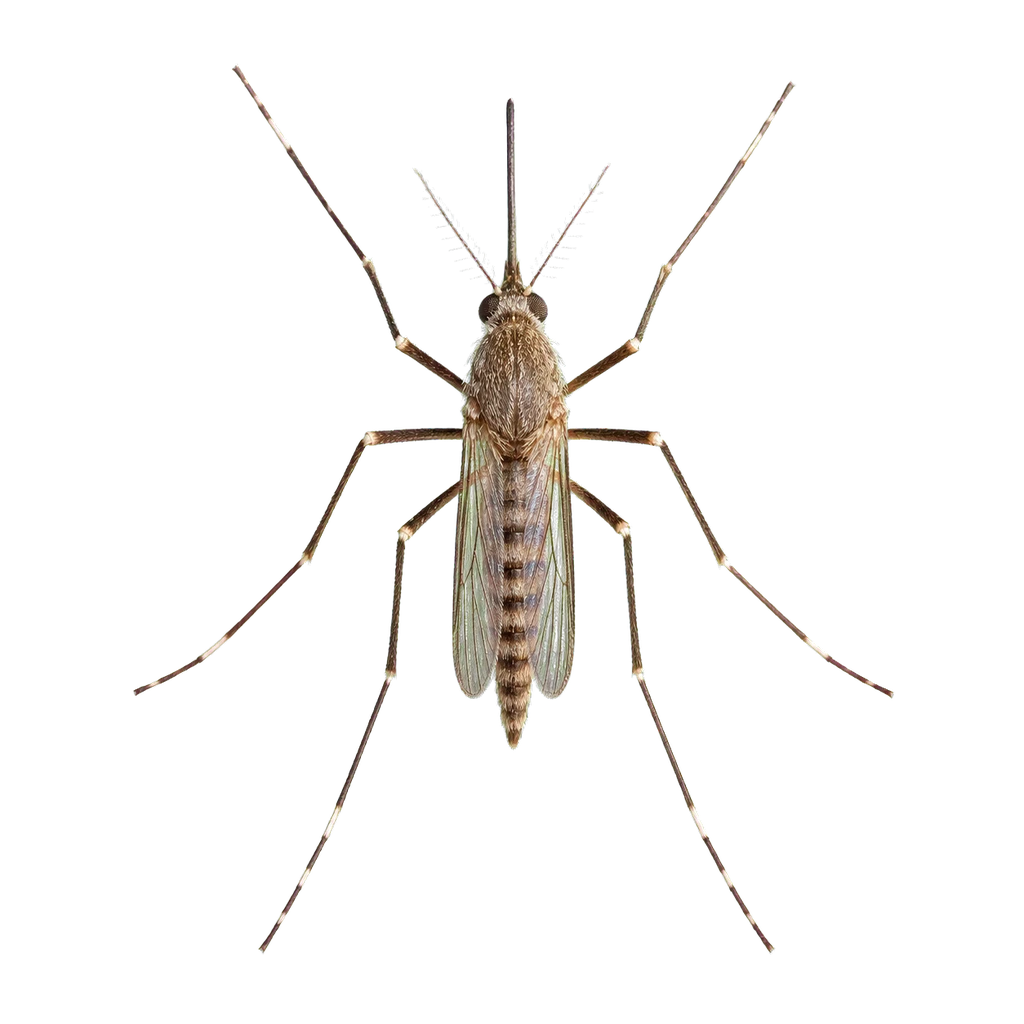
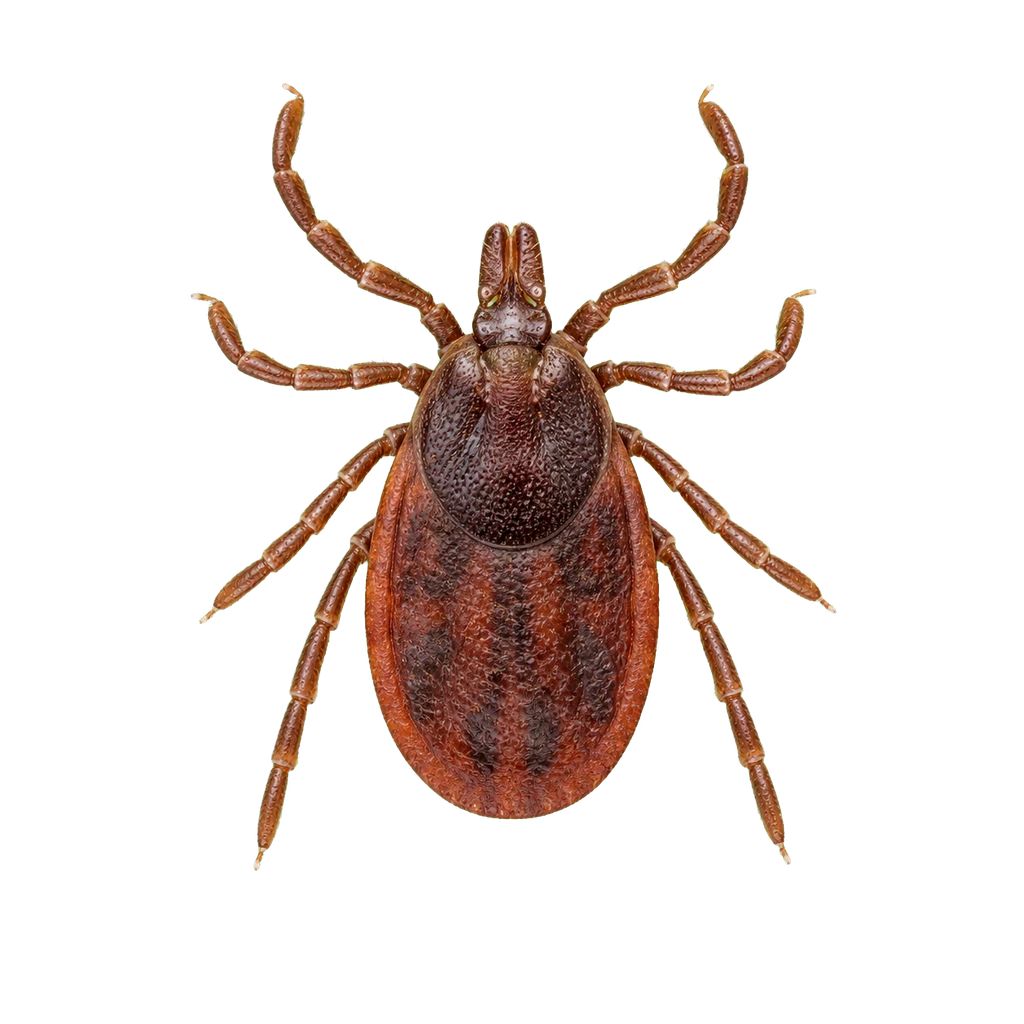
West Warwick homes face pest pressure shaped by the Pawtuxet River corridor, dense mill-era housing in villages like Arctic and Crompton, and wooded subdivisions along the western edge. Carpenter ants tunnel through softened framing in original mill housing. Mosquitoes breed in the Pawtuxet River corridor all summer. Deer ticks ride out of forest edges into Western West Warwick yards. Your local provider works these neighborhoods daily and knows which zones carry the heaviest pressure.

Scott S. from Providence, RI
Jorge L. from Warwick, RI
Ivette A. from Cranston, RI
Jimar P. from Newport, RI

Trusted by Local Homeowners

  • Providers who understand local pest patterns
  • Upfront quotes with no surprise charges
  • Available around the clock for urgent issues
  • No obligation, explore your options first
Scott S. from Providence, RI
Jorge L. from Warwick, RI
Ivette A. from Cranston, RI
Jimar P. from Newport, RI

Trusted by Local Homeowners

Available Now
(888) 495-1510
Tell us the pest, we'll find your provider. (888) 495-1510
15+ Years Experience
4.8★ Homeowner Rating
1000+ Homes Serviced
  • Local Pest Control
  • 24/7 Availability
  • Quality Workmanship
  • Eco-Friendly Options
  • Trusted by Homeowners

What Drives Pest Problems in West WarwickPest Problems in West Warwick

West Warwick was carved out of Warwick in 1913 around the Pawtuxet River mill villages, and those 1800s mill housing blocks still define much of the town. Arctic, Crompton, Centerville, and Phenix carry dense triple-decker and worker housing where carpenter ants nest in softened framing every spring. Original masonry and plaster walls give rodents steady routes through entire buildings.

The Pawtuxet River and its South Branch run right through the center of town, keeping ground moisture elevated against foundations from one end to the other. The river corridor feeds mosquito breeding from May through October. Older mill-era infrastructure means many homes still carry stone foundations and utility penetrations that haven't been sealed for generations.

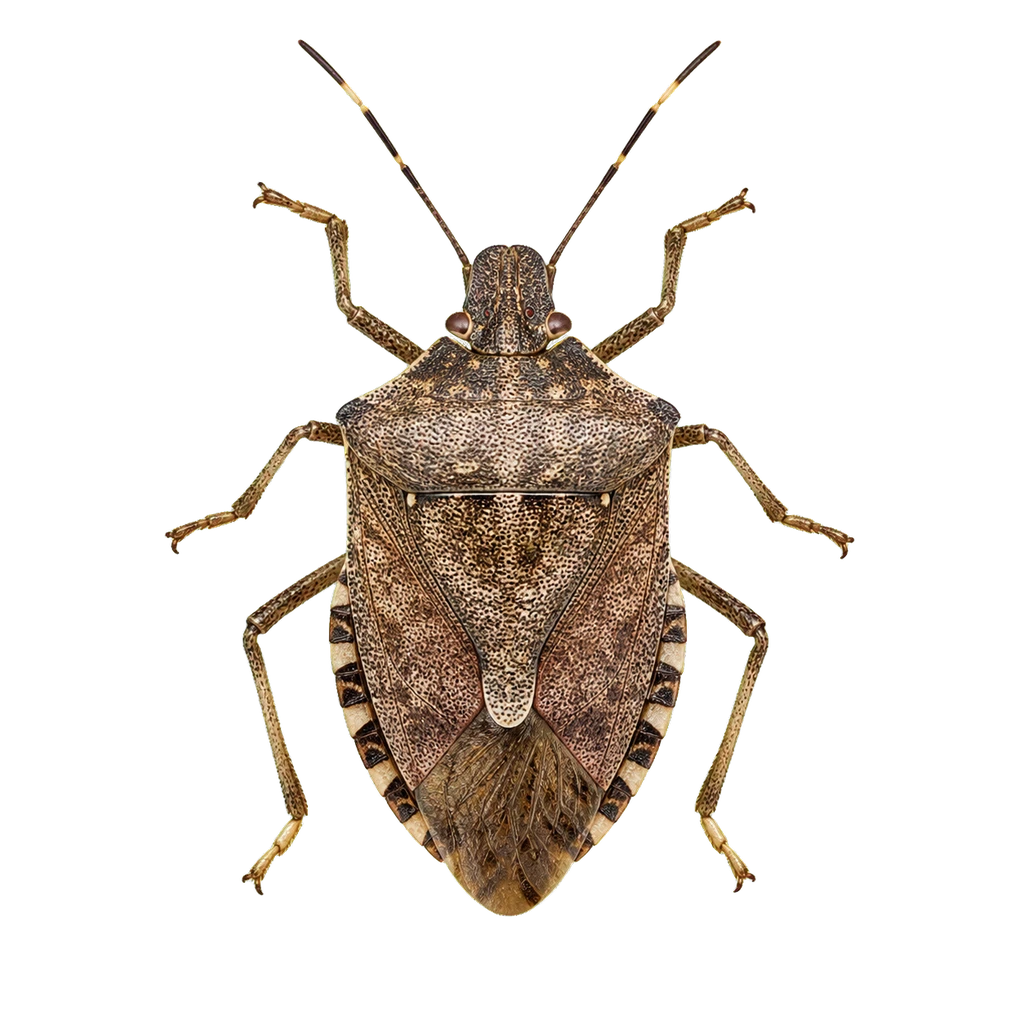
Western West Warwick subdivisions back up to wooded land, and deer drop ticks into adjacent yards from spring through fall. Brown marmorated stink bugs gather on south-facing siding every September across both old mill housing and newer subdivisions. Commercial blocks along Main Street draw Norway rat pressure into neighboring residential lots. Mild winters rarely produce sustained freezes, so pest populations persist year-round.

Signs You May Need a Professional

Small clues can point to a much larger problem. If any of these show up around your home, it's usually time to bring in a pro.

How a Professional Pest Treatment Works

Once your provider arrives, here's what a typical service visit looks like, from the initial walkthrough to sealing things up.

Tell us the pest, we'll find your provider. (888) 495-1510

How West Warwick Homeowners Get Rid of Pests, Fast

No searching, no guessing, no wasted calls, just a direct line to a vetted provider near you.

Tell Us What's Going On

Describe what you're seeing. We'll help narrow it down, no diagnosis needed on your end.

We Find the Right Provider

Based on your pest, location, and urgency, we match you with a vetted pro who serves the greater West Warwick area.

Get a Clear Quote, No Surprises

Your provider gives you upfront pricing before any work begins. No pressure, no hidden add-ons.

Problem Handled

A local expert shows up, treats the issue, and follows up if needed. Done.

Available Services in West Warwick, Rhode Island

From routine ant treatments to full structural fumigation, here's what local providers in West Warwick typically offer.

West Warwick's mill-village housing density and Pawtuxet River corridor keep ants, mice, and stink bugs cycling through homes year-round, so recurring coverage holds the line better than one-time spraying.

What to expect: a walkthrough inside and out, species-specific treatment, and a return visit window if anything bounces back.

Learn More

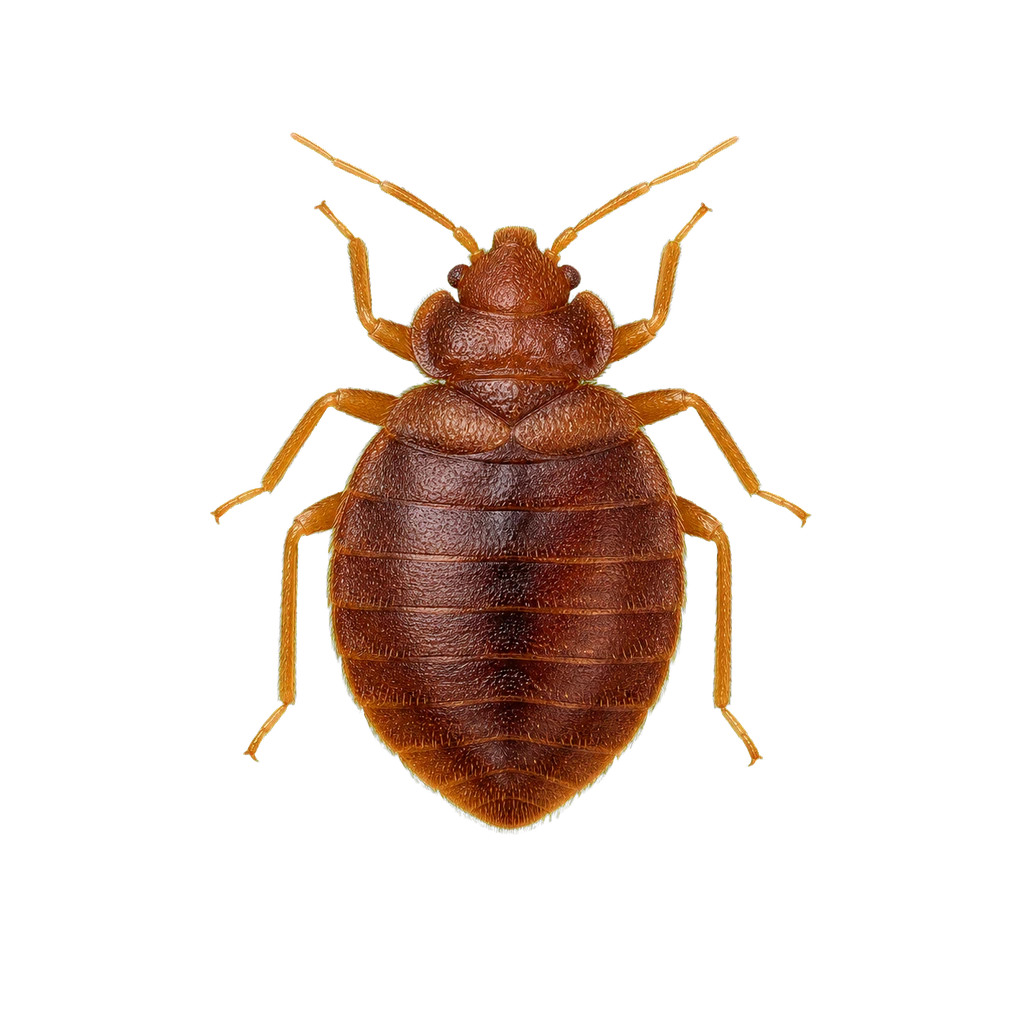
Bed bugs spread fast through West Warwick rentals and connected mill-era apartments in Arctic and Crompton, and heat treatment kills every life stage in one pass.

What to expect: prep instructions a few days ahead, controlled heat above 120°F for several hours, and monitoring traps to confirm it worked.

Learn More

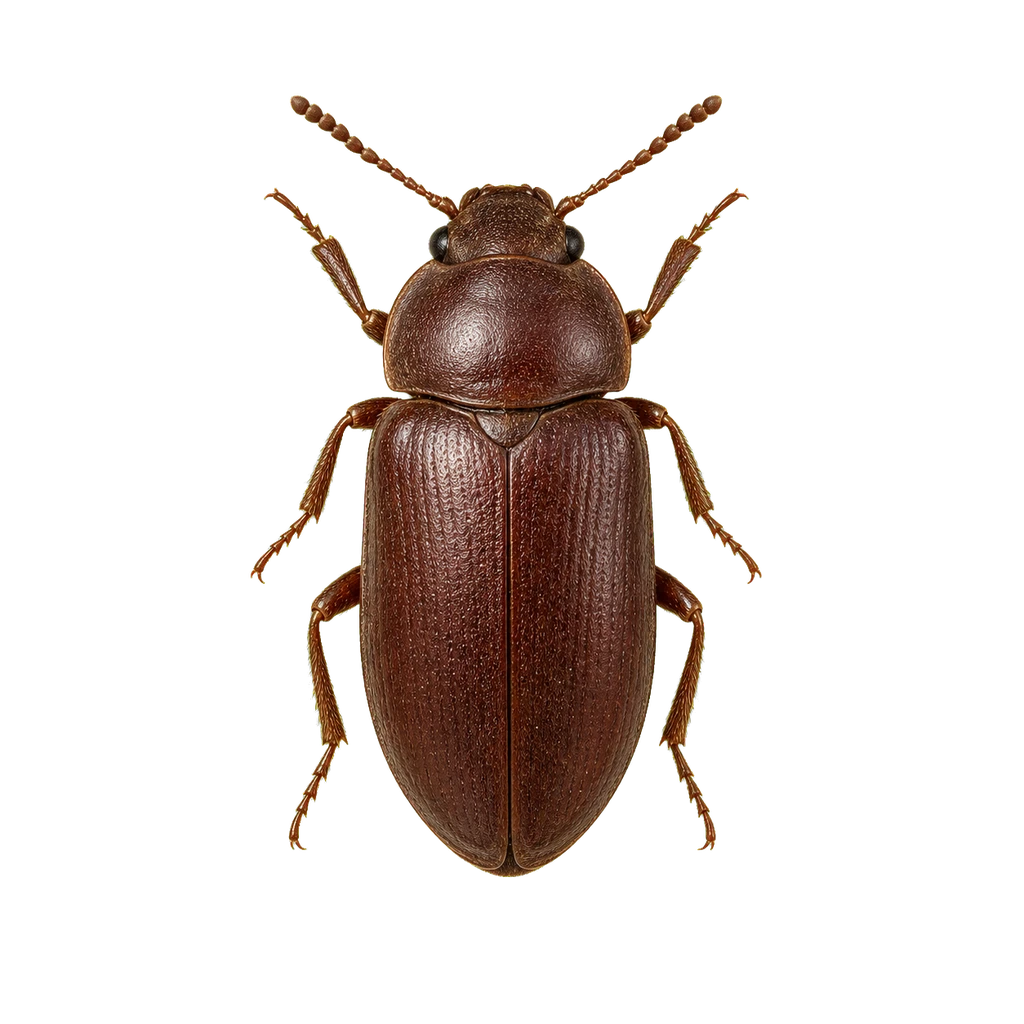
Mill-era homes in Arctic, Crompton, and Phenix sometimes show carpenter ant or wood-boring beetle damage running through 1800s framing that spot treatment can't reach.

What to expect: a prep checklist, a tarp tent over the structure, two to three nights elsewhere, and an all-clear inspection on return.

Learn More

Old stone foundations, soffits, and utility penetrations on West Warwick's mill-village housing give rodents and stink bugs steady access, and sealing those openings stops the cycle.

What to expect: a foundation-to-roofline inspection, sealing of identified entry points, and a written summary of what was found and fixed.

Learn More

West Warwick families with young kids in dense mill housing often want lower-impact options first, so targeted bait, traps, and exclusion handle most pressure before stronger sprays come in.

What to expect: inspection, low-impact product selection where possible, and a prevention plan so you don't end up needing repeats.

Learn More

Mosquitoes from the Pawtuxet River corridor and deer ticks from Western West Warwick woodlands keep pushing into yards each spring, so quarterly perimeter barriers hold them back.

What to expect: exterior application around foundation and eaves, removal of accessible nests, and a quarterly or seasonal schedule depending on pressure.

Learn More

What West Warwick Homeowners Are Saying

Real experiences from West Warwick and Kent County homeowners who found the right provider through us.

Scott S.
Scott S.
Providence, RI

"Porch beams saved from carpenter ants."

The moisture from coastal air had softened our porch beams and carpenter ants moved in. The tech treated the colony and explained the connection between moisture and wood-destroying insects. Replacing the damaged wood and treating prevented recurrence.

Scott S.
Scott S.
Providence, RI

"Porch beams saved from carpenter ants."

The moisture from coastal air had softened our porch beams and carpenter ants moved in. The tech treated the colony and explained the connection between moisture and wood-destroying insects. Replacing the damaged wood and treating prevented recurrence.

Jorge L.
Jorge L.
Warwick, RI

"Porch crawl access sealed against mice."

We found nesting material and droppings under our enclosed porch. The pro sealed the access points and treated the area. They explained how enclosed but unheated spaces become rodent havens in winter.

Ivette A.
Ivette A.
Cranston, RI

"Basement support beams treated for termites."

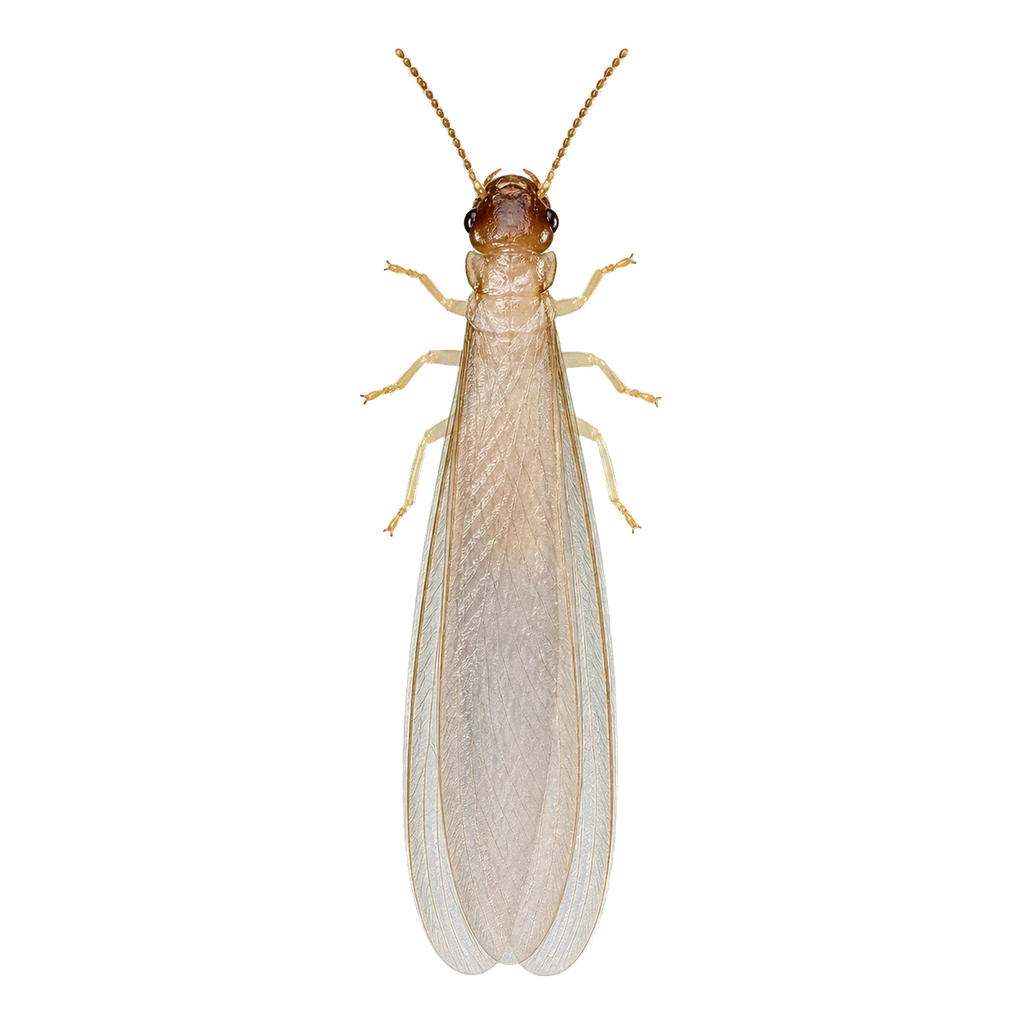
We discovered termite damage in the basement support beams during a moisture inspection. The inspector treated the colony and surrounding soil. They explained how Rhode Island's coastal humidity creates conditions termites thrive in.

Jimar P.
Jimar P.
Newport, RI

"Garden-to-kitchen ant trail shut down."

A garden bed against the house was attracting ants that found their way inside. The tech treated the perimeter and explained how mulch and plantings near the foundation create pathways for pests. Moving the beds back helped too.

Lucas Q.
Lucas Q.
East Providence, RI

"Porch treated and drip edge improved."

Repainting the porch trim, my brush poked right through a soft spot the size of a quarter. Galleries underneath. The tech treated the carpenter ant colony in the wood and pointed out the missing drip edge above the porch where rain was hitting the trim directly. We added a proper kickout and replaced the worst board. Two years and no return.

Quinton K.
Quinton K.
Pawtucket, RI

"Old foundation sealed for mouse-free winter."

The house is from 1908 and every January like clockwork we would find droppings in the pantry. Spent years cycling through snap traps and bait stations. The crew came out and pointed out a dozen entry points in the rubble foundation I had never even seen. Sealed every one, set monitoring stations. Made it from October to April clean for the first time ever.

Judith L.
Judith L.
Woonsocket, RI

"Apartment cleared and shared walls sealed."

Started waking up with welts on my arms in mid-February. Two weeks of denial later I pulled the corner of the fitted sheet and saw the dark spots along the mattress label. I was mortified. The crew did one heat treatment and sealed the outlet boxes and pipe penetrations on the wall I share with my neighbor. Have been clear since and slept well for the first time in months.

Erica L.
Erica L.
North Kingstown, RI

"Deck cleared of yellow jacket colony."

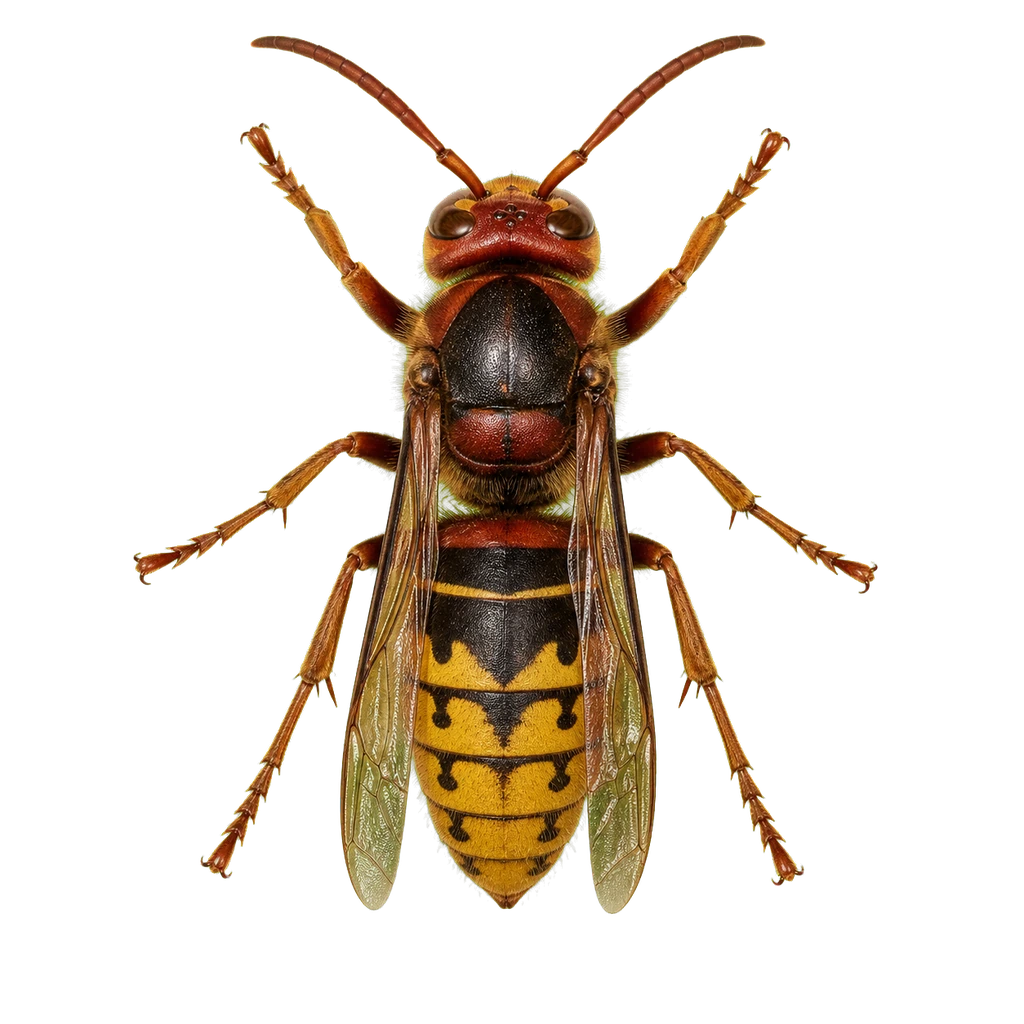
Yellow jackets built a nest under the deck boards. The provider removed the colony and treated the deck underside. Annual spring inspections keep the deck safe.

Montana V.
Montana V.
South Kingstown, RI

"Beach cottage cleared and sealed each season."

The seasonal cottage had spiders everywhere when we opened it. The provider treated the cottage and sealed gaps. Keeping it closed up tight during the off-season helps.

Ethan B.
Ethan B.
Bristol, RI

"Unit kept clear with plumbing chases sealed."

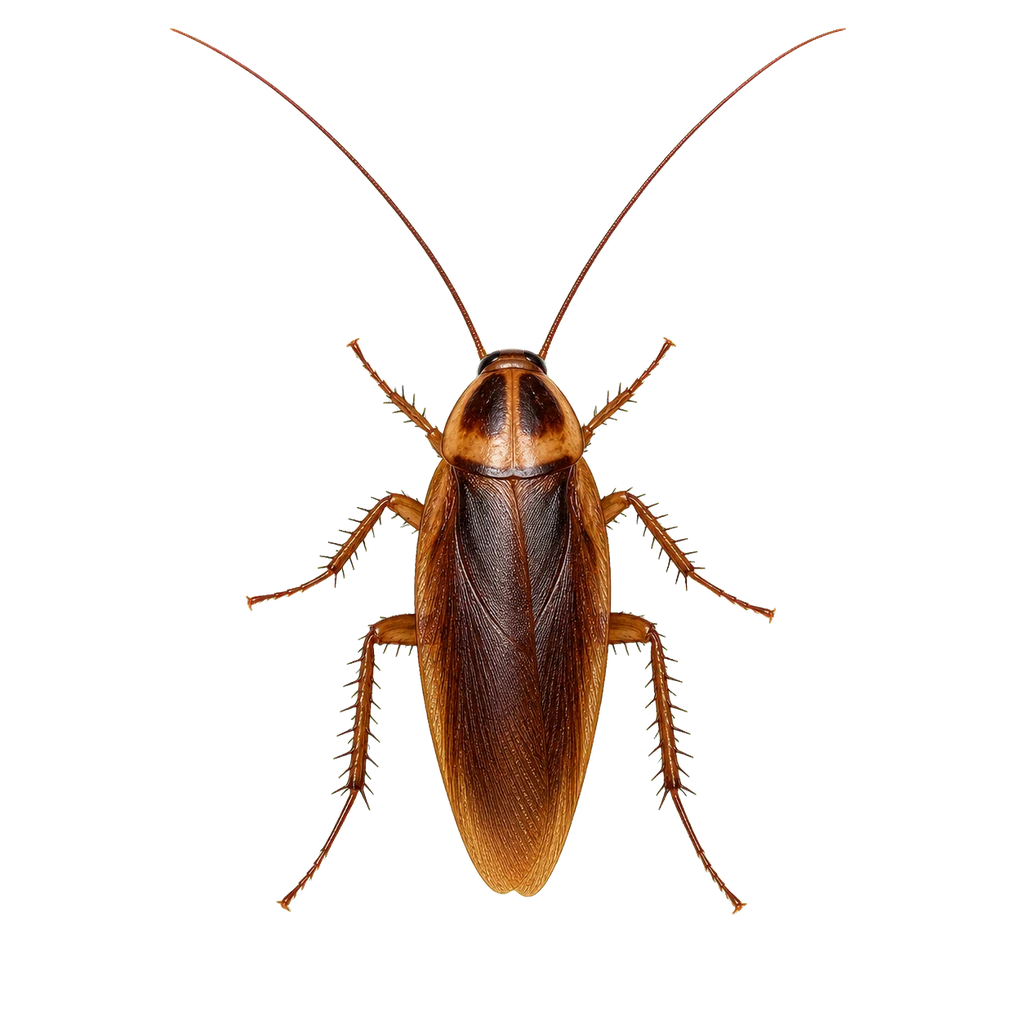
Tenants in the unit above us were apparently messy, and we started seeing roaches at night creeping along the kitchen baseboards. The tech opened the sink cabinet and showed me an unsealed pipe chase you could fit a deck of cards through. He treated with gel bait and stuffed and caulked every penetration. Activity dropped fast. He told me to push our HOA to do building-wide treatment.

Rhiannon T.
Rhiannon T.
Johnston, RI

"Mulch beds treated and ant trails ended."

Ant colonies thrived in the mulch beds and trailed to the kitchen. The provider treated the beds and perimeter. Reducing mulch depth and pulling it from the foundation helped.

Leshawn E.
Leshawn E.
Westerly, RI

"Yard tick activity reduced significantly."

Pulled three deer ticks off the dog in one week last May and one off my son's neck. Adjacent state park land means tick pressure is no joke around here. The tech treated the yard perimeter and the woodline transition. He told me to bag and remove leaf litter near the house, which I had been raking right into the woods. Big difference this summer.

Roger D.
Roger D.
Coventry, RI

"Basement termites caught before major damage."

Soft spots in the basement framing revealed termite activity. The provider treated the perimeter and installed monitoring stations. Early detection prevented major structural damage.

Faith A.
Faith A.
Cumberland, RI

"Evenings outdoors enjoyable again."

A neighborhood pond bred mosquitoes all summer. The provider treated our yard with barrier products. The treatments made evening outdoor time possible again.

Carlos W.
Carlos W.
Barrington, RI

"Sunny window stink bug entries sealed."

Every October the sunny windows would have a polka dot pattern of stink bugs from the outside in. The tech sealed gaps around the trim and treated the exterior in early September. The following fall the indoor count was a fraction of what we used to see. The cilantro smell is gone too.

Common Pests in West Warwick & Surrounding Areas

Browse common pests in West Warwick. Select one to learn about identification, behavior, and treatment.
Questions About Pest Control in West Warwick

What West Warwick homeowners ask most often about hiring a local provider.

  • How do I find a pest control provider in my area? Toggle answer for: How do I find a pest control provider in my area?

    Tell us what pest you're dealing with and where you're located. We match you with a vetted local provider who handles that specific issue in your neighborhood. No searching, no cold-calling companies yourself.

  • West Warwick pests? Toggle answer for: West Warwick pests?

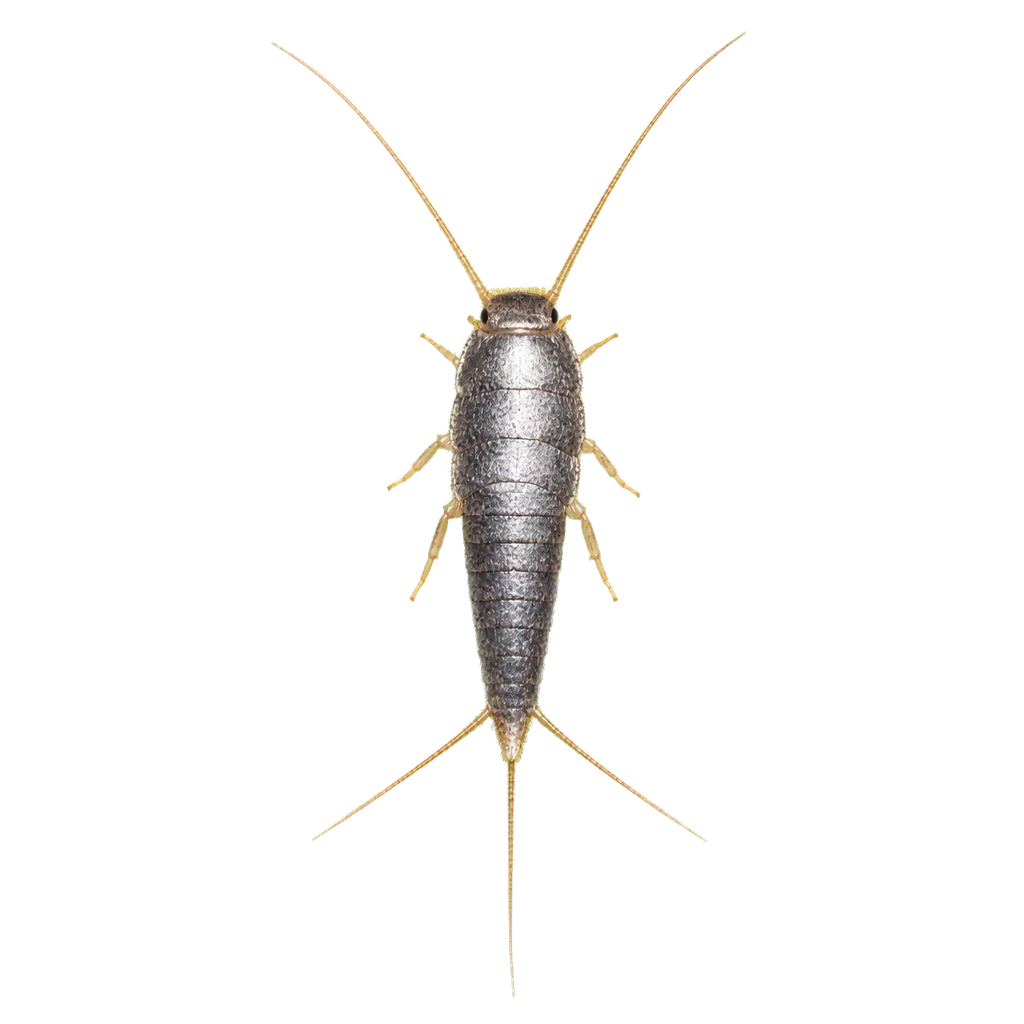
    House mice, Norway rats, odorous ants, and carpenter ants are routine. Older mill-village neighborhoods also see silverfish, cluster flies, and occasional roach activity.

  • When should service occur? Toggle answer for: When should service occur?

    April for ants, July for wasps, October for rodents. Dense older blocks benefit from continuous rodent monitoring given backyard and alley pressure.

  • What affects pricing? Toggle answer for: What affects pricing?

    Home age, neighborhood density, and multi-unit coordination needs all factor in. Older mill-housing blocks typically need more exclusion work than newer builds.

  • How quickly can someone come out? Toggle answer for: How quickly can someone come out?

    Most providers in our network can schedule an inspection or treatment within 24-48 hours. For urgent situations like active rodents, stinging insects, or wildlife inside the home, ask about prompt or priority scheduling.

  • Quarterly enough? Toggle answer for: Quarterly enough?

    Quarterly handles most single-family homes with exclusion. Multi-unit buildings and older mill housing often benefit from monthly rodent service.

  • What should homeowners do? Toggle answer for: What should homeowners do?

    Walk the foundation for gaps, inspect basement sill plates, and check chimney caps. Older housing stock typically has multiple small entry points that compound.

Get Connected With a Pest Controller in West Warwick, Rhode Island

One call connects you with a vetted local provider. No pressure, no commitment, just clear next steps.

Get A Quote 24/7
(888) 495-1510