Local pest control help is one call away.

Expert Pest Control Serving College Station and Surrounding Texas Areas

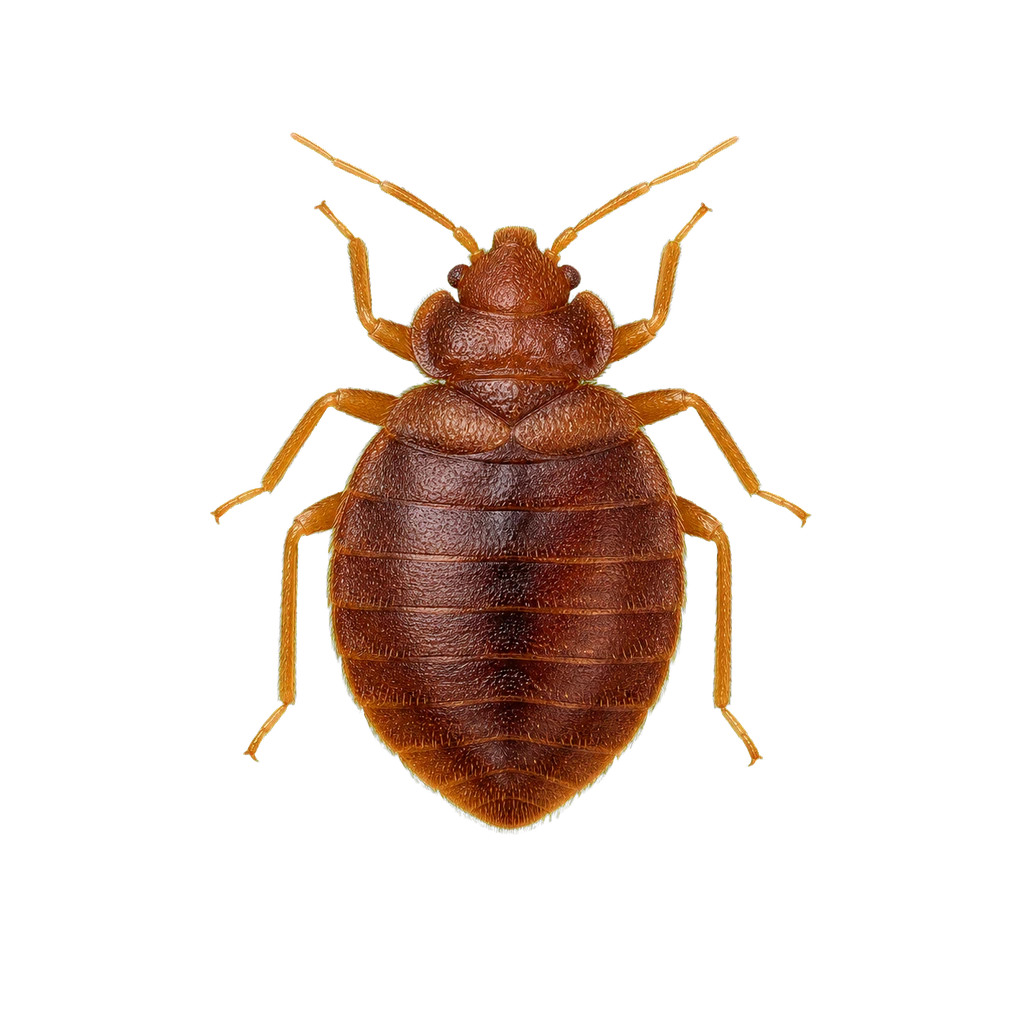
College Station homes face pest pressure shaped by Texas A&M student turnover, the Brazos River, and Blackland Prairie clay. Bed bugs cycle through TAMU rental housing every semester. Fire ants rebuild mounds across Southwood Valley and Pebble Creek after every rain. Brown recluse spiders shelter in undisturbed closets and garages in older campus-adjacent housing. Your local provider works these Brazos County zip codes daily and knows which student rentals need building-wide coordination.

Deepak V. from San Antonio, TX
Angelina B. from Austin, TX
Mitchell P. from Austin, TX
Daiki H. from Plano, TX

Trusted by Local Homeowners

  • Providers who understand Brazos Valley pest patterns
  • Upfront quotes with no surprise charges
  • Available around the clock for urgent issues
  • No obligation, explore your options first
Deepak V. from San Antonio, TX
Angelina B. from Austin, TX
Mitchell P. from Austin, TX
Daiki H. from Plano, TX

Trusted by Local Homeowners

Available Now
(888) 495-1510
Tell us the pest, we'll find your provider. (888) 495-1510
15+ Years Experience
4.8 / 5 ★ Homeowner Rating
1000+ Homes Serviced
  • Local Pest Control
  • 24/7 Availability
  • Quality Workmanship
  • Eco-Friendly Options
  • Trusted by Homeowners

What Drives Pest Problems in College StationPest Problems in College Station

College Station sits in the Brazos Valley of Central Texas where humid subtropical conditions, heavy Blackland Prairie clay, and proximity to the Brazos River create year-round pest pressure. Summer temperatures regularly exceed 95 degrees with high humidity, sustaining fire ants, German roaches, and mosquitoes across residential neighborhoods. Clay subsoil shrinks and swells with rain and drought, opening cracks that subterranean termites exploit to reach slab framing.

Texas A&M's student population concentrates rental housing in the blocks immediately around campus and along Wellborn Road, with heavy bed bug pressure cycling through every semester turnover in May and August. German cockroach activity stays high in older multi-unit rentals. Older homes near campus often have deferred maintenance that gives brown recluse spiders, ants, and house mice easy access through worn weatherstripping.

Newer subdivisions in Pebble Creek, Creek Meadows, and Southwood Valley disturb established fire ant colonies during grading, sending workers right back into freshly landscaped yards. Carter Creek and Brazos River floodplain flooding saturates soil and drives moisture-dependent pests indoors. Mild Texas winters keep populations active year-round without a hard freeze to thin colonies.

Signs You May Need a Professional

Small clues can point to a much larger problem. If any of these show up around your home, it's usually time to bring in a pro.

How a Professional Pest Treatment Works

Once your provider arrives, here's what a typical service visit looks like, from the initial walkthrough to sealing things up.

Tell us the pest, we'll find your provider. (888) 495-1510

How College Station Homeowners Get Rid of Pests, Fast

No searching, no guessing, no wasted calls, just a direct line to a vetted provider near you.

Tell Us What's Going On

Describe what you're seeing. We'll help narrow it down, no diagnosis needed on your end.

We Find the Right Provider

Based on your pest, location, and urgency, we match you with a vetted pro who serves the greater College Station and Brazos County area.

Get a Clear Quote, No Surprises

Your provider gives you upfront pricing before any work begins. No pressure, no hidden add-ons.

Problem Handled

A local expert shows up, treats the issue, and follows up if needed. Done.

Available Services in College Station, Texas

From routine ant treatments to full structural fumigation, here's what local providers in College Station typically offer.

College Station's Brazos Valley humidity, TAMU rental turnover, and clay-soil termite pressure keep fire ants, roaches, and brown recluse active year-round, so quarterly recurring coverage holds up better than one-time visits.

What to expect: a full walkthrough inside and out, species-specific treatment, and a return visit window if activity bounces back.

Learn More

Bed bugs cycle through TAMU rentals every May and August semester turnover, and thermal treatment kills every life stage in one pass, including eggs that sprays leave behind.

What to expect: prep instructions a few days ahead, controlled heat above 120 degrees for several hours, and follow-up monitors to confirm the kill.

Learn More

Subterranean termite damage that runs through clay-soil slab cracks into College Station framing sometimes spreads past spot treatment, and full-structure tent fumigation hits every gallery in one cycle.

What to expect: a prep checklist, a tarp tent over the structure, two to three nights elsewhere, and an all-clear inspection on return.

Learn More

Mice and brown recluse use foundation cracks, soffit gaps, and crawlspace openings to work College Station homes, especially older rentals near campus, and sealing closes the route.

What to expect: a roofline-to-foundation inspection, sealing of identified entry points, and a written summary of what was found and fixed.

Learn More

Plenty of College Station households with pets prefer lower-impact treatment, so providers lean on targeted bait, traps, and exclusion before any wider indoor spraying.

What to expect: inspection, reduced-toxicity product selection where it fits, and a prevention plan so you don't end up needing repeat applications.

Learn More

Carter Creek mosquitoes, fire ants, and crawling pests pile up against College Station foundations every spring and summer, and quarterly perimeter barriers hold the line.

What to expect: exterior application around foundation and eaves, removal of accessible nests, and a quarterly schedule keyed to local pressure.

Learn More

What College Station Homeowners Are Saying

Real experiences from College Station and Brazos County homeowners who found the right provider through us.

Deepak V.
Deepak V.
San Antonio, TX

"We stopped chasing the problem and solved it."

We kept wiping down counters and the ants would be back the next day. The pro identified the entry areas and explained the treatment plan clearly. Once they treated and targeted the colony, the ants disappeared quickly. It felt like we finally got ahead of it.

Deepak V.
Deepak V.
San Antonio, TX

"We stopped chasing the problem and solved it."

We kept wiping down counters and the ants would be back the next day. The pro identified the entry areas and explained the treatment plan clearly. Once they treated and targeted the colony, the ants disappeared quickly. It felt like we finally got ahead of it.

Angelina B.
Angelina B.
Austin, TX

"They explained how the weather played a role."

I didn't realize seasonal changes could affect ant activity so much. The tech explained how heat and rain push ants indoors and what to do about it. They treated the problem areas and gave tips to prevent future issues. The explanation helped everything click.

Mitchell P.
Mitchell P.
Austin, TX

"Seasonal problems finally under control."

Every spring we dealt with ants in the kitchen. The tech explained why seasonal changes trigger activity and helped us get ahead of it this time. The treatment worked quickly and we haven't had issues since.

Daiki H.
Daiki H.
Plano, TX

"They adapted the plan to our layout."

Our house layout made it tricky to track ant activity. The inspector adjusted the treatment to focus on the areas that mattered most. The ants stopped showing up and the approach felt thoughtful.

Florence J.
Florence J.
El Paso, TX

"Foundation cracks sealed and scorpions gone."

Bark scorpions appeared in the bathroom and kitchen. The provider sealed foundation cracks and treated the interior. Scorpion sightings dropped to zero.

Joel M.
Joel M.
Houston, TX

"Attic Formosan termites treated structure-wide."

Going up to the attic to swap a Christmas storage box, I noticed dark mud-like nests on the rafters. The tech identified them as Formosan termite carton nests and explained these are an aggressive Gulf Coast species. He treated the entire structure and got us on annual monitoring. Houston humidity makes regular inspections non-negotiable now.

Lisa U.
Lisa U.
Dallas, TX

"Roofline sealed and attic cleared of mice."

Scratching overhead led to finding mice in the attic. The provider sealed the roof-line gaps and removed the rodents. The exclusion work has kept them out.

Cindy L.
Cindy L.
Fort Worth, TX

"Kids' room cleared after a sleepover scare."

Our daughter came back from a sleepover and a week later we noticed bites running up her forearm. Stripping her sheets, I saw the dark spots along the mattress label. The heat crew treated the bedroom and her backpack and stuffed animals went in the dryer on high. One session and done. They were kind about it, never made her feel embarrassed.

Kenji M.
Kenji M.
Corpus Christi, TX

"Gulf Coast roach activity brought under control."

Gulf Coast humidity keeps roaches active year-round. The provider treated the exterior and interior and recommended moisture management. The approach made a lasting difference.

Ramon D.
Ramon D.
Lubbock, TX

"Brown recluse spiders, finally handled."

Brown recluses were in closets and the garage. The provider treated all harborage areas and set monitoring traps. Reducing clutter helped eliminate hiding spots.

Catalina U.
Catalina U.
Amarillo, TX

"Eave wasp nests cleared and prevented."

Walking the perimeter to prep for painting, I counted six paper wasp nests under the eaves. The biggest one was the size of my hand. The tech took them all down in one visit and treated the wood underneath. He talked me through the value of a preventive April spray before queens build, which we now do every year. No nests last summer at all.

Akash T.
Akash T.
Midland, TX

"Yard cleared with yard-wide fire ant treatment."

Fire ant mounds appeared throughout the yard. The provider did a comprehensive yard treatment. The yard-wide approach was more effective than spot treating.

Trinidad G.
Trinidad G.
Laredo, TX

"Riverfront yard usable through the season."

Proximity to the river meant constant mosquito pressure. The provider treated the yard perimeter and addressed standing water. Barrier treatments made outdoor time possible.

Roland P.
Roland P.
McKinney, TX

"Fence posts replaced and ant-proofed."

Leaning on the back fence to look at the dog and the post just rocked under my weight. Two posts crumbly all the way down. The tech treated the carpenter ant colony in the wood and the surrounding soil. We replaced the worst posts with pressure-treated lumber set into gravel rather than directly into dirt. Three seasons later the fence is solid.

Maximiliano N.
Maximiliano N.
Frisco, TX

"Nightly trash raids stopped and crawl space sealed."

Raccoons tipped the bins and scattered trash every night. The provider recommended wildlife-proof containers and sealed the crawl space access. Both changes resolved the problem.

Jaron X.
Jaron X.
Houston, TX

"The gas treatment reached every wall cavity."

Drywood termites were in multiple areas of our two-story home. Spot treatment would have been a gamble, so we went with whole-structure fumigation. The tenting crew sealed every opening and the gas penetrated wall cavities, attic spaces, and subfloor framing. Post-treatment clearance testing confirmed the entire structure was clear.

Common Pests in College Station & Surrounding Areas

Browse common pests in College Station. Select one to learn about identification, behavior, and treatment.

Questions About Pest Control in College Station

What College Station homeowners ask most often about hiring a local provider.
  • How do I find a pest control provider in my area? Toggle answer for: How do I find a pest control provider in my area?

    Tell us what pest you're dealing with and where you're located. We match you with a vetted local provider who handles that specific issue in your neighborhood. No searching, no cold-calling companies yourself.
  • What pests show up in College Station homes? Toggle answer for: What pests show up in College Station homes?

    College Station sees fire ants, subterranean termites, roaches, and rodents. Mosquitoes pick up near Wolf Pen Creek and Lick Creek, and scorpions appear in some newer developments.

  • What should I expect from a first pest control visit? Toggle answer for: What should I expect from a first pest control visit?

    A typical first visit includes a full interior and exterior inspection, identification of entry points and active pest areas, an initial treatment, and a walkthrough of findings. Most providers also cover prevention steps and follow-up scheduling during the same visit.

  • What drives pest control pricing in Texas? Toggle answer for: What drives pest control pricing in Texas?

    Square footage, pest type, and lot features matter. Rental properties near campus often need extra roach attention, while rural-edge homes require broader scorpion and ant coverage.

  • How quickly can someone come out? Toggle answer for: How quickly can someone come out?

    Most providers in our network can schedule an inspection or treatment within 24-48 hours. For urgent situations like active rodents, stinging insects, or wildlife inside the home, ask about prompt or priority scheduling.

  • How often should local homes be serviced? Toggle answer for: How often should local homes be serviced?

    Quarterly is standard across the Brazos Valley. Spaced visits match the region's long warm season and steady pressure from fire ants and termites.

  • What makes a good local pest company in Texas? Toggle answer for: What makes a good local pest company in Texas?

    A local team will know Brazos Valley soil behavior, A&M-area rental housing patterns, and how quickly fire ant mounds rebuild after Brazos flooding events.

Get Connected With a Pest Controller in College Station, Texas

One call connects you with a vetted local provider. No pressure, no commitment, just clear next steps.

Get A Quote 24/7
(888) 495-1510