Local pest control help is one call away.

Trusted Local Pest Control in San Francisco, California

San Francisco homes face pest pressure no inland city deals with. Fog rolls in through the Sunset and Richmond all summer, keeping crawlspaces damp enough for drywood and dampwood termites year-round. Norway rats run shared walls in Victorian flats. German cockroaches own the older multi-unit buildings in the Tenderloin and SoMa. Your local provider works these hills and rowhouses every week.

Stephen N. from Sacramento, CA
Mireya Z. from Riverside, CA
Bridget E. from Sacramento, CA
Marquis K. from San Mateo, CA

Trusted by Local Homeowners

  • Providers who know SF's Victorian rowhouses and microclimates
  • Upfront quotes with no surprise charges
  • Available around the clock for urgent issues
  • No obligation, explore your options first
Stephen N. from Sacramento, CA
Mireya Z. from Riverside, CA
Bridget E. from Sacramento, CA
Marquis K. from San Mateo, CA

Trusted by Local Homeowners

Available Now
(888) 495-1510
Tell us the pest, we'll find your provider. (888) 495-1510
15+ Years Experience
4.8 / 5 ★ Homeowner Rating
1000+ Homes Serviced
  • Local Pest Control
  • 24/7 Availability
  • Quality Workmanship
  • Eco-Friendly Options
  • Trusted by Homeowners

What Drives Pest Problems in San FranciscoPest Problems in San Francisco

San Francisco's seven-by-seven miles include some of the foggiest residential zones on the West Coast. Marine fog pushes inland most summer mornings, leaving the Sunset, Richmond, and Outer Parkside districts cool and damp for weeks at a stretch. That sustained moisture rots the bottom plates of Victorian foundations and feeds drywood termite swarms each fall.

Norway rats are the city's most reported pest. They move through shared walls in row houses, climb the inside of plumbing chases, and exit into ground-floor flats in the Mission, the Castro, and Bernal Heights. Roof rats use the older fig and pittosporum trees in Pacific Heights and Noe Valley to reach attic vents. Once they nest, the chewing in insulation and wiring shows up within a couple of weeks.

Multi-unit Victorians and Edwardians built between 1880 and 1925 still dominate most SF blocks. Balloon framing means there's a clear vertical channel from basement to attic inside every wall, so a single colony of carpenter ants or a roach population can spread across three floors before anyone in the building notices. Golden Gate Park and the Presidio push raccoons and skunks into adjoining streets year-round.

Signs You May Need a Professional

Small clues can point to a much larger problem. If any of these show up around your home, it's usually time to bring in a pro.

How a Professional Pest Treatment Works

Once your provider arrives, here's what a typical service visit looks like, from the initial walkthrough to sealing things up.

Tell us the pest, we'll find your provider. (888) 495-1510

How San Francisco Homeowners Get Rid of Pests, Fast

No searching, no guessing, no wasted calls, just a direct line to a vetted provider near you.

Tell Us What's Going On

Describe what you're seeing. We'll help narrow it down, no diagnosis needed on your end.

We Find the Right Provider

Based on your pest, location, and urgency, we match you with a vetted pro who serves San Francisco and surrounding Bay Area communities.

Get a Clear Quote, No Surprises

Your provider gives you upfront pricing before any work begins. No pressure, no hidden add-ons.

Problem Handled

A local expert shows up, treats the issue, and follows up if needed. Done.

Available Services in San Francisco, California

From routine ant treatments to full structural fumigation, here's what local providers in San Francisco typically offer.

Foggy summers and mild winters keep silverfish, Argentine ants, and roof rats active across SF year-round, so quarterly recurring coverage works better than a single visit each spring.

What to expect: a walkthrough inside and out, species-specific treatment, and a return visit window if anything bounces back.

Learn More

Bed bugs spread fast through SF apartment buildings, short-term rentals, and SROs, and heat treatment kills every life stage in one pass, including eggs that sprays often miss.

What to expect: prep instructions a few days ahead, controlled heat above 120°F for several hours, and monitoring traps to confirm it worked.

Learn More

Drywood termite swarms in Victorian and Edwardian flats mean the colony is already inside the framing, and full-structure tent fumigation reaches every gallery the colony has cut.

What to expect: a prep checklist, a tarp tent over the structure, two to three nights elsewhere, and an all-clear inspection on return.

Learn More

Roof rats reach SF attic vents through fig and pittosporum trees, and Norway rats squeeze through Victorian foundation gaps, so sealing both points stops the cycle.

What to expect: a foundation-to-roofline inspection, sealing of identified entry points, and a written summary of what was found and fixed.

Learn More

Pets, kids, and edible gardens are common across SF flats, so lower-impact treatments use targeted bait, traps, and exclusion before stronger sprays.

What to expect: inspection, low-impact product selection where possible, and a prevention plan so you don't end up needing repeats.

Learn More

Damp Victorian foundations and brushy hillside lots in Twin Peaks and Bernal Heights keep mosquitoes, fleas, and crawling pests pushing toward SF yards, so quarterly perimeter barriers hold the line.

What to expect: exterior application around foundation and eaves, removal of accessible nests, and a quarterly or seasonal schedule depending on pressure.

Learn More

What San Francisco Homeowners Are Saying

Real experiences from San Francisco homeowners who found the right provider through us.

Stephen N.
Stephen N.
Sacramento, CA

"Small changes made a big difference."

We didn't realize how much our routine was attracting ants. The inspector explained simple prevention steps and treated the areas where activity was highest. Once those changes were in place, we stopped seeing ants inside. It was a practical approach that actually worked.

Stephen N.
Stephen N.
Sacramento, CA

"Small changes made a big difference."

We didn't realize how much our routine was attracting ants. The inspector explained simple prevention steps and treated the areas where activity was highest. Once those changes were in place, we stopped seeing ants inside. It was a practical approach that actually worked.

Mireya Z.
Mireya Z.
Riverside, CA

"They didn't oversell. Just solved it."

The tech explained what treatment was necessary and what wasn't. They focused on the entry points and corrected the conditions that were attracting ants. The work felt honest and effective. I liked having clear expectations and seeing results quickly.

Bridget E.
Bridget E.
Sacramento, CA

"Helpful without being overwhelming."

I didn't realize there were different types of ants or that it mattered. The inspector walked me through what they were seeing and explained how ant behavior affects treatment. It made it easier to ask the right questions and understand the solution.

Marquis K.
Marquis K.
San Mateo, CA

"Clear communication from start to finish."

I appreciated how clearly everything was explained before treatment began. The inspector walked through the process and answered all my questions. The ants were gone shortly after and we felt confident about prevention going forward.

Virginia T.
Virginia T.
San Mateo, CA

"They addressed what we were missing."

We kept focusing on cleaning, but the tech showed us where ants were actually entering. Once those points were treated and sealed, the issue resolved. It was reassuring to finally understand the root cause.

Olive S.
Olive S.
Sacramento, CA

"They took the time to do it right."

I appreciated that the tech didn't rush. He inspected the problem areas carefully and explained what they were seeing. The treatment worked quickly and the ants haven't returned.

Marshall M.
Marshall M.
Pasadena, CA

"They explained why DIY hadn't worked."

I had tried several store-bought solutions with no luck. The inspector explained why those methods don't always reach the source of the problem. Once they treated the entry points and nesting areas, the ants stopped showing up.

Daisuke P.
Daisuke P.
Walnut Creek, CA

"They focused on long-term results."

The tech didn't just treat the visible ants. He focused on where they were coming from and how to prevent them from returning. That long-term approach made a noticeable difference.

Elaine E.
Elaine E.
Sacramento, CA

"They explained why timing mattered."

The pro explained why treating at the right time of day and season matters for ants. That attention to detail made a difference. The ants were gone quickly and stayed away.

Ebony I.
Ebony I.
Fresno, CA

"They took a calm, methodical approach."

I appreciated how methodical the tech was. He inspected carefully, explained the problem, and treated only what was necessary. The ants stopped appearing and everything felt well thought out.

Lavon Y.
Lavon Y.
San Diego, CA

"They adapted the treatment to our climate."

The tech explained how our coastal climate affects ant behavior and adjusted the treatment accordingly. The approach worked quickly and we haven't seen ants since.

Gloria B.
Gloria B.
San Jose, CA

"They explained why patience mattered."

The tech explained that some treatments take a little time to fully work and why that's normal. Knowing what to expect helped reduce stress. The ants disappeared within the timeframe they explained.

Zhang E.
Zhang E.
San Mateo, CA

"They made the process stress-free."

The tech explained everything clearly and handled the treatment efficiently. I didn't feel stressed or rushed at any point. The ants were gone shortly after and haven't returned.

Norma I.
Norma I.
Long Beach, CA

"Palm-tree rat route to the attic cut off."

Roof rats were using the palm trees to access our attic. The tech trimmed the branches away from the roofline and sealed every opening along the eaves. They explained that palm trees are highways for rats in Southern California.

Aditi K.
Aditi K.
Irvine, CA

"Argentine ant trails along irrigation shut down."

Ants were trailing along the drip irrigation tubing and entering through weep holes. The inspector treated the foundation perimeter and adjusted our irrigation schedule to reduce moisture at the walls. The ant trails disappeared within days.

Phaedra H.
Phaedra H.
San Diego, CA

"The tenting process was smooth and professional."

Our inspector found drywood termite frass in multiple rooms and recommended whole-structure fumigation. The crew tented the house, explained the gas treatment timeline, and we stayed with family for two nights. After clearance testing confirmed safe re-entry, we came back to a termite-free home. The preparation checklist they provided made the process painless.

Common Pests in San Francisco & Surrounding Areas

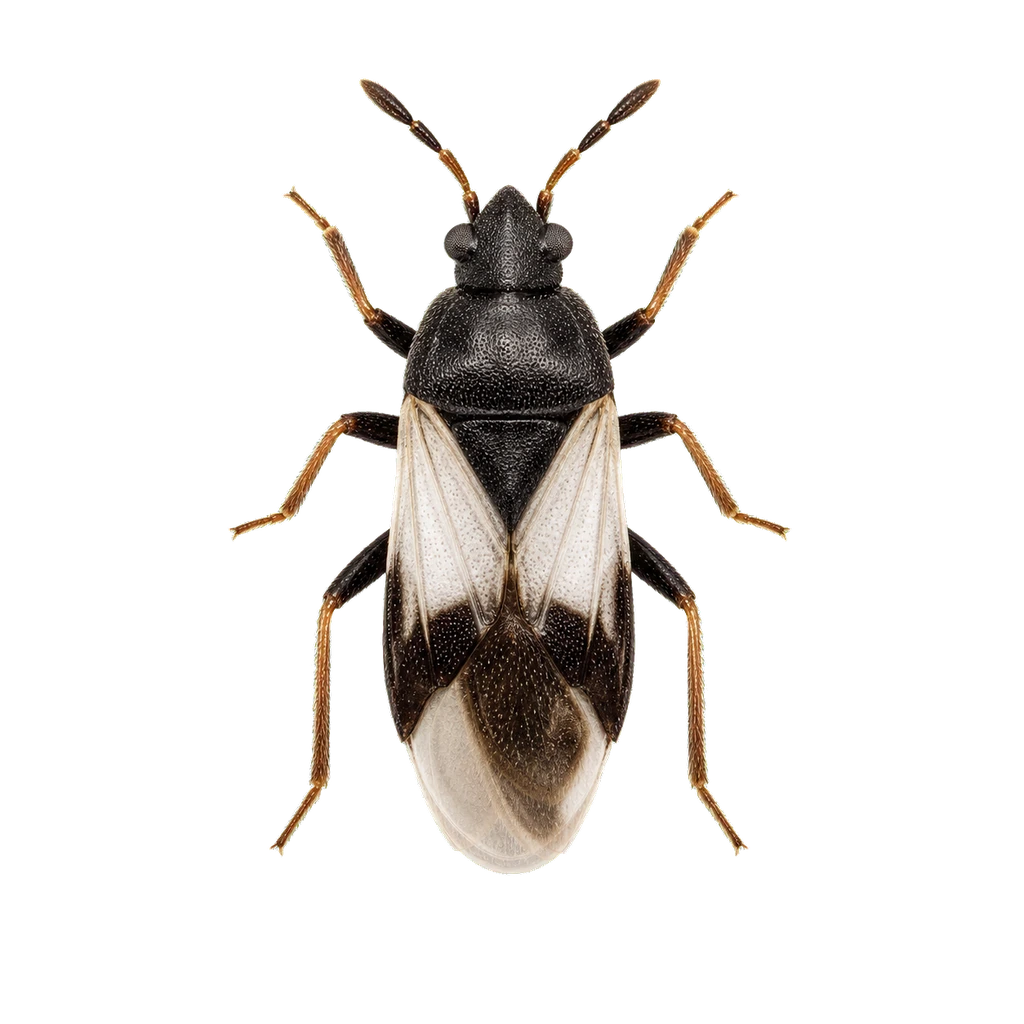
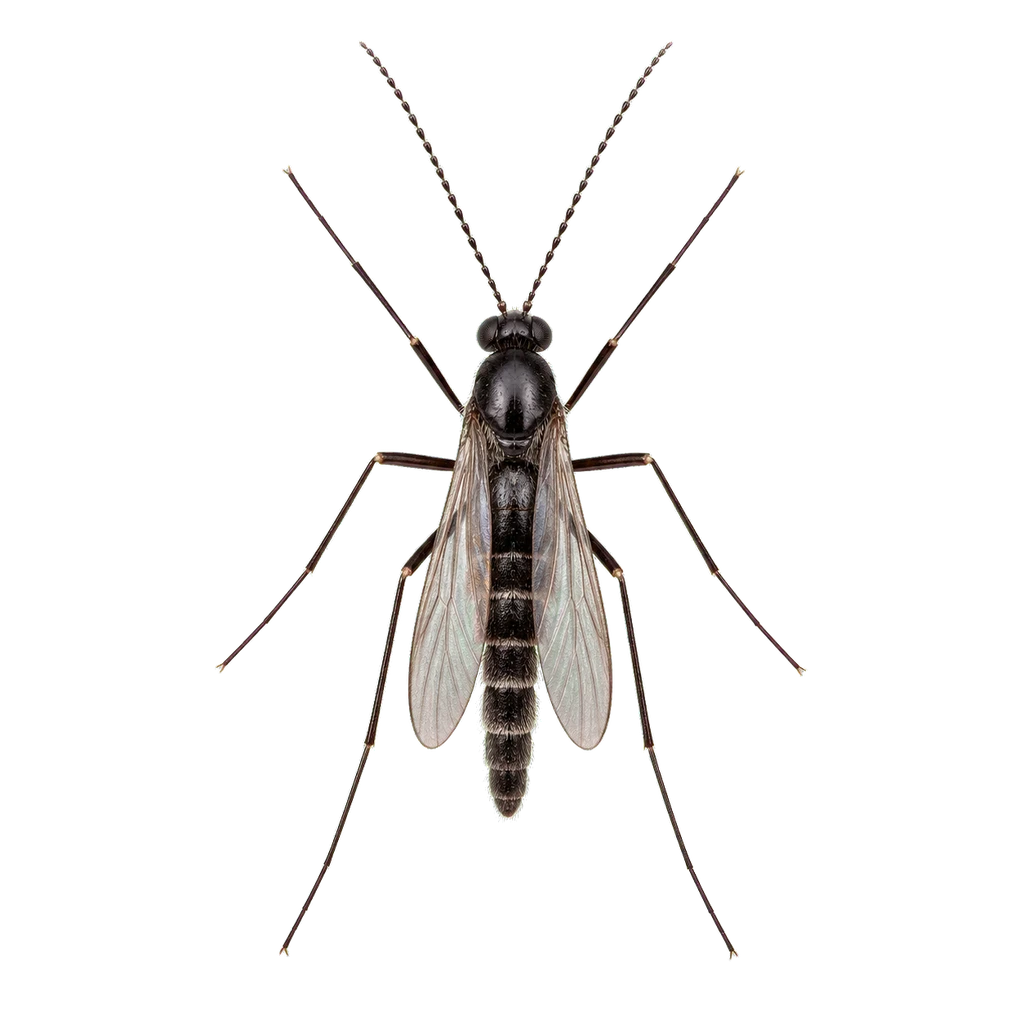
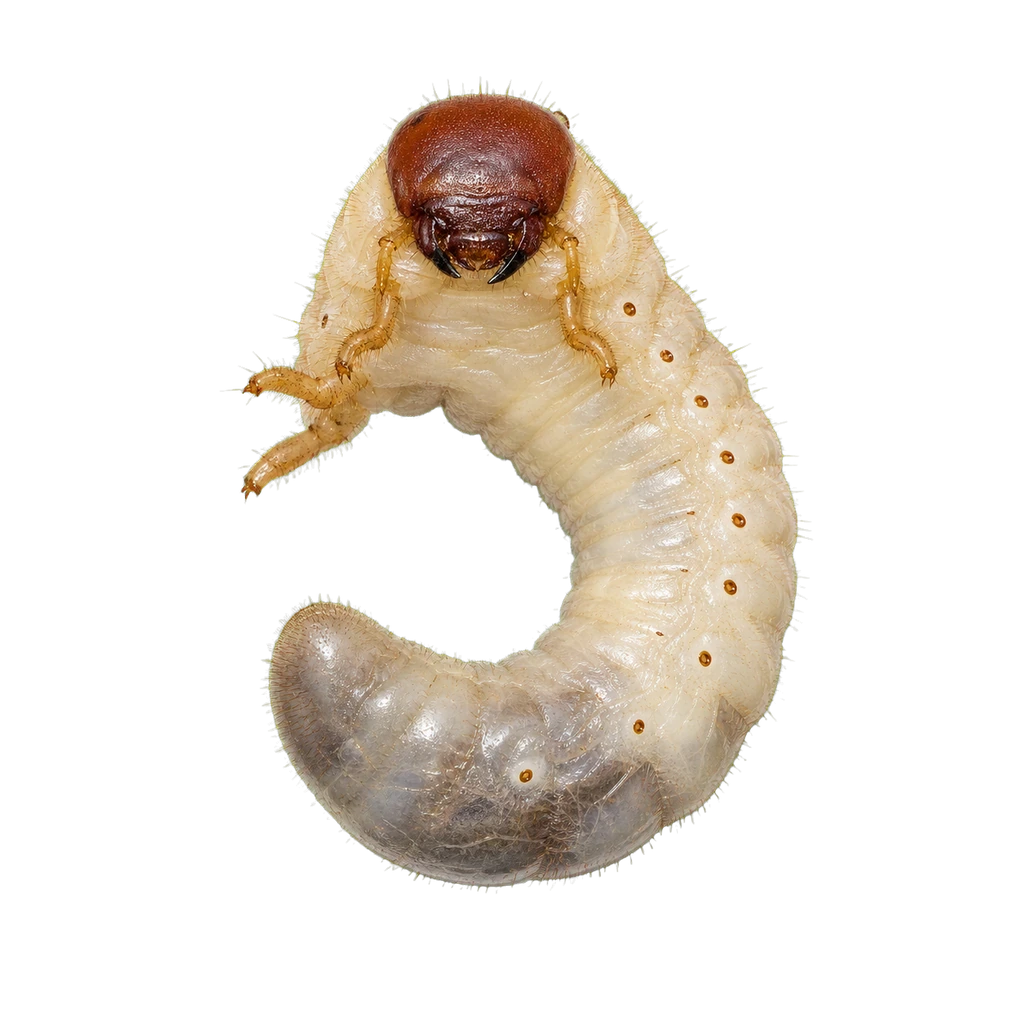
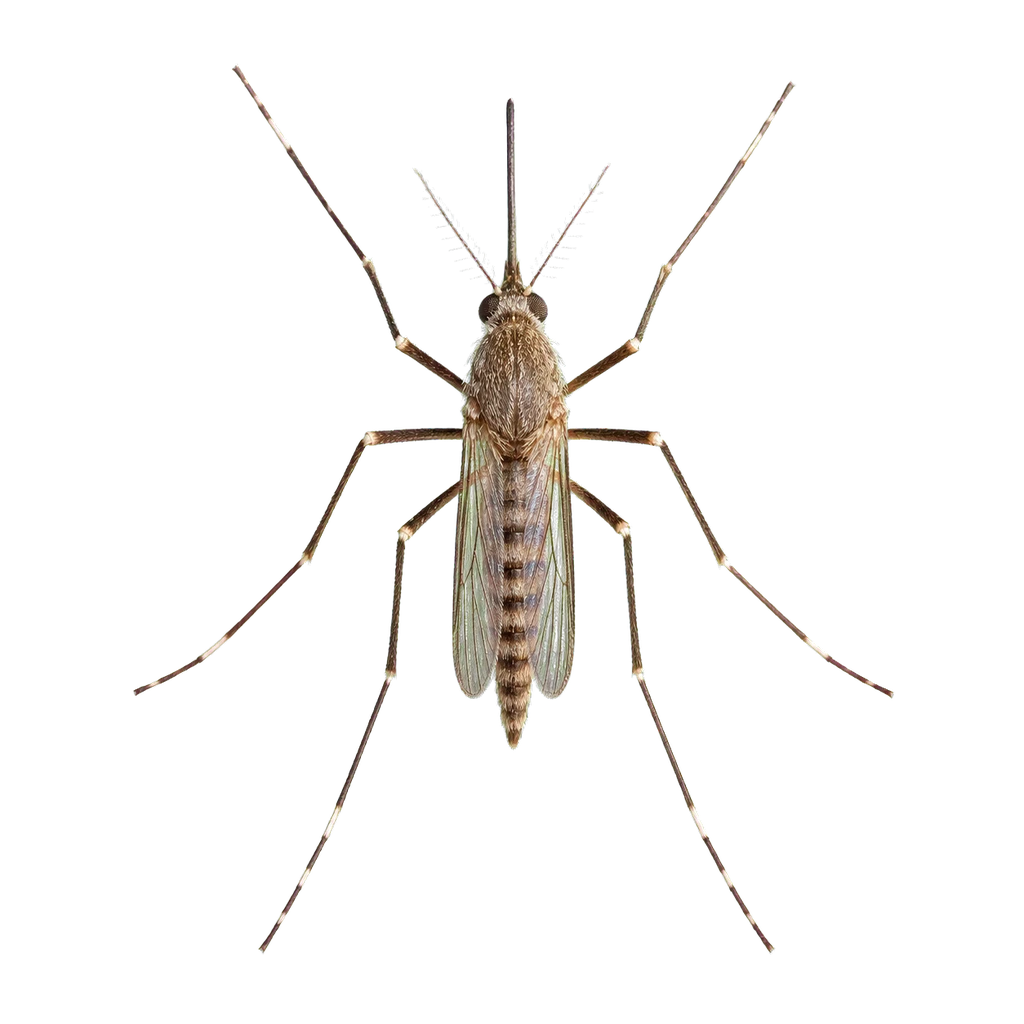
Browse common pests in San Francisco. Select one to learn about identification, behavior, and treatment.

Questions About Pest Control in San Francisco

What San Francisco homeowners ask most often about hiring a local provider.

  • How do I find a pest control provider in my area? Toggle answer for: How do I find a pest control provider in my area?

    Tell us what pest you're dealing with and where you're located. We match you with a vetted local provider who handles that specific issue in your neighborhood. No searching, no cold-calling companies yourself.

  • Which pests are most common in San Francisco? Toggle answer for: Which pests are most common in San Francisco?

    SF homes often deal with Norway rats, odorous house ants, subterranean termites, silverfish, and carpenter ants. Dense Victorian and Edwardian housing combined with coastal fog keeps moisture-driven pests active all year.


  • How often should SF homes be serviced? Toggle answer for: How often should SF homes be serviced?

    Quarterly service is standard. Victorian and Edwardian homes in the Mission, Richmond, and Sunset often benefit from bi-monthly visits during fall rodent season due to shared walls and aging substructures.

  • What should new SF homeowners check? Toggle answer for: What should new SF homeowners check?

    Inspect crawlspaces for termite mud tubes and moisture, scan attics for rodent droppings, and check stucco weep screens for ant trails. Many SF homes share sewer laterals that move rats between properties.

  • How quickly can someone come out? Toggle answer for: How quickly can someone come out?

    Most providers in our network can schedule an inspection or treatment within 24-48 hours. For urgent situations like active rodents, stinging insects, or wildlife inside the home, ask about prompt or priority scheduling.

  • How fast can providers respond in San Francisco? Toggle answer for: How fast can providers respond in San Francisco?

    SF-area providers typically schedule within a few business days, with urgent rodent or termite issues often same-week. Parking and garage access shape arrival timing across dense neighborhoods.

  • Are there housing-era concerns in SF? Toggle answer for: Are there housing-era concerns in SF?

    Yes. Victorian and Edwardian homes have original wood substructures, knob-and-tube wiring, shared foundation walls, and aging sewer laterals that collectively create steady termite, rodent, and ant pathways.

Get Connected With a Pest Controller in San Francisco, California

One call connects you with a vetted local provider. No pressure, no commitment, just clear next steps.

Get A Quote 24/7
(888) 495-1510